
Current state and future opportunities for ceramic education in the United States
Several challenges—as well as opportunities—face ceramic engineering education today. Although concerns regarding the state of undergraduate ceramic education in the United States are not new,1–3 the 2014 meeting of the Interagency Coordinating Committee on Ceramic Research and Development (ICCCRD) recently reviewed the status and future of ceramic engineering education. This committee, which has existed for approximately 40 years, consists of representatives from government agencies that have ceramics programs.4 At its 2014 meeting, in addition to government agency representatives, ICCCRD invited speakers from Alfred University, Pennsylvania State University, The American Ceramic Society, American Society for Engineering Education, United States Advanced Ceramics Association, and National Science Foundation to provide their unique perspectives on the state of ceramic education in the U.S.
History of ceramic science and engineering programs
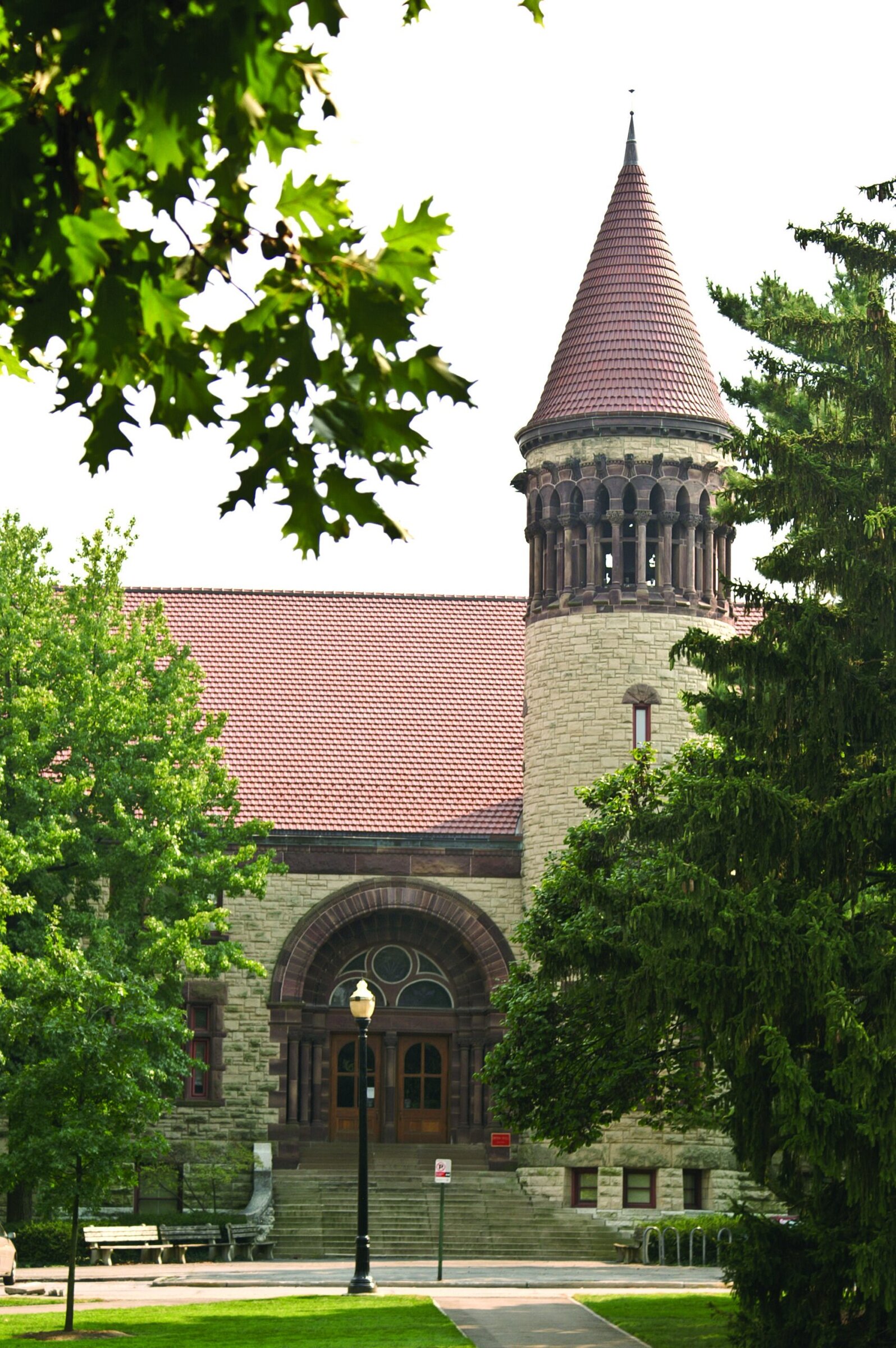
In 1982, the ceramic honorary society Keramos published a book by William Kriegel,1 a portion of which he devotes to the history of ceramic education. Ceramic engineering as a formal discipline began in 1894 with the creation of the Ceramic Engineering Department at The Ohio State University by Edward Orton Jr. Four years later, Orton led the founding of The American Ceramic Society. Many other universities followed Ohio State’s lead and created ceramic engineering departments: Alfred University (1900), Rutgers University (1902), University of Illinois (1905), Iowa State University (1906), and University of Washington (1918). The 1920s saw significant expansion in the number of departments: University of Saskatchewan (1921); Georgia Institute of Technology (1923); West Virginia University, North Carolina State University, and Pennsylvania State University (1924); University of Toronto (1925); Louisiana State University, Missouri School of Mines, and Massachusetts Institute of Technology (graduate students only) (1926); and University of Alabama and Virginia Polytechnic Institute (1928).