
France plays host to 84 million visitors each year—which means that during any 12-month period, the ratio of travelers to residents is 1.3:1. But, if the French are outnumbered by their own tourists, they are represented in scientific achievement at a volume that is disproportionate to their population size. France is the only country with two organizations named to the top five on the 2015 Reuters Top 25 Global Innovators–Government list. On the list overall, it is tied with Japan for second place with four organizations, behind six from the United States and ahead of Germany, with three.
Leading that list is the French Alternative Energies and Atomic Energy Commission, known as CEA, which in May signed a research and development agreement with Intel for increased collaboration in “several key areas of digital technology.” Joint research in the area of high-performance computing will include pursuit of the development of new materials to further miniaturize electronic components used in mobile phones. (Also in the top five was CNRS, France’s National Center for Scientific Research. See the sidebar for information on this mammoth organization.)
The CEA initiative is driven in part by priorities established by the European Union’s Horizon 2020 program, which launched in 2014 and will invest almost €80 billion in research and development over the course of seven years. This money, in tandem with private investment, is intended to generate a spate of European “breakthroughs, discoveries, and world-firsts” that move “great ideas from the lab to the market.”
Another European Union directive driving innovation is the Regulation on Registration, Evaluation, Authorization, and Restriction of Chemicals. Known as REACH, it “shifts responsibility from public authorities to industry with regard to assessing and managing the risks posted by chemicals” and has an impact on “companies across many sectors beyond the chemical industry.”
For example, when the REACH regulation was announced, Alteo had to consider its significance with regard to the company’s environmental footprint—particularly in relation to bauxite residue. In addition to evaluating alumina’s status within the requirements, the company also is reworking its overall strategy. “We need to become more specialized and more focused on higher-quality, higher-purity, better products, and that will continue,” says Mike Rodgers, director of marketing business development and communication at Alteo Gardanne.
In late July, Alteo received an offer from Imerys for the acquisition of its Alteo ARC and Alufin plants. Negotiations were at an early stage as this article went to press, and there is no guarantee that the sale will go through, but it does align with Alteo’s shift in strategy. Its biggest impact would be with regard to Alteo’s refractory and abrasives customers.
Areas of specialty sales that the company hopes to move into or penetrate further include higher-value refractory, ceramic, and glass markets. “Historically, Gardanne is quite a big plant for nonmetallurgical aluminas,” Rodger says. “The capacity for Gardanne is 500,000 tons a year, which is big for a nonmetallurgical alumina plant. We have a number of commodity businesses, applications, and so on that we supply. So, by focusing purely on Gardanne, it will help us develop and concentrate all our interests on specialty aluminas—ceramics, refractories, glass.”
Another of this year’s environmental developments is an initiative announced in January by Saint-Gobain Sekurit and Corning Incorporated. The companies established a joint venture to “develop, manufacture, and sell lightweight automotive glazing solutions” in response to global industry demand for glazing solutions that “improve fuel efficiency, environmental impact, and vehicle handling.”
This is the companies’ second collaboration, following on the success of EuroKera, which develops glass-ceramic cooktops, in keeping with Corning’s focus on advancing heat-resistant glass-ceramics. Research fellow Monique Comte works extensively on the EuroKera project and focuses generally on research and development of new glass and ceramics. “Another important topic is glass forming,” she says. “It is a good thing to have glass composition, but after, you need a method to form the glass, to shape it.”
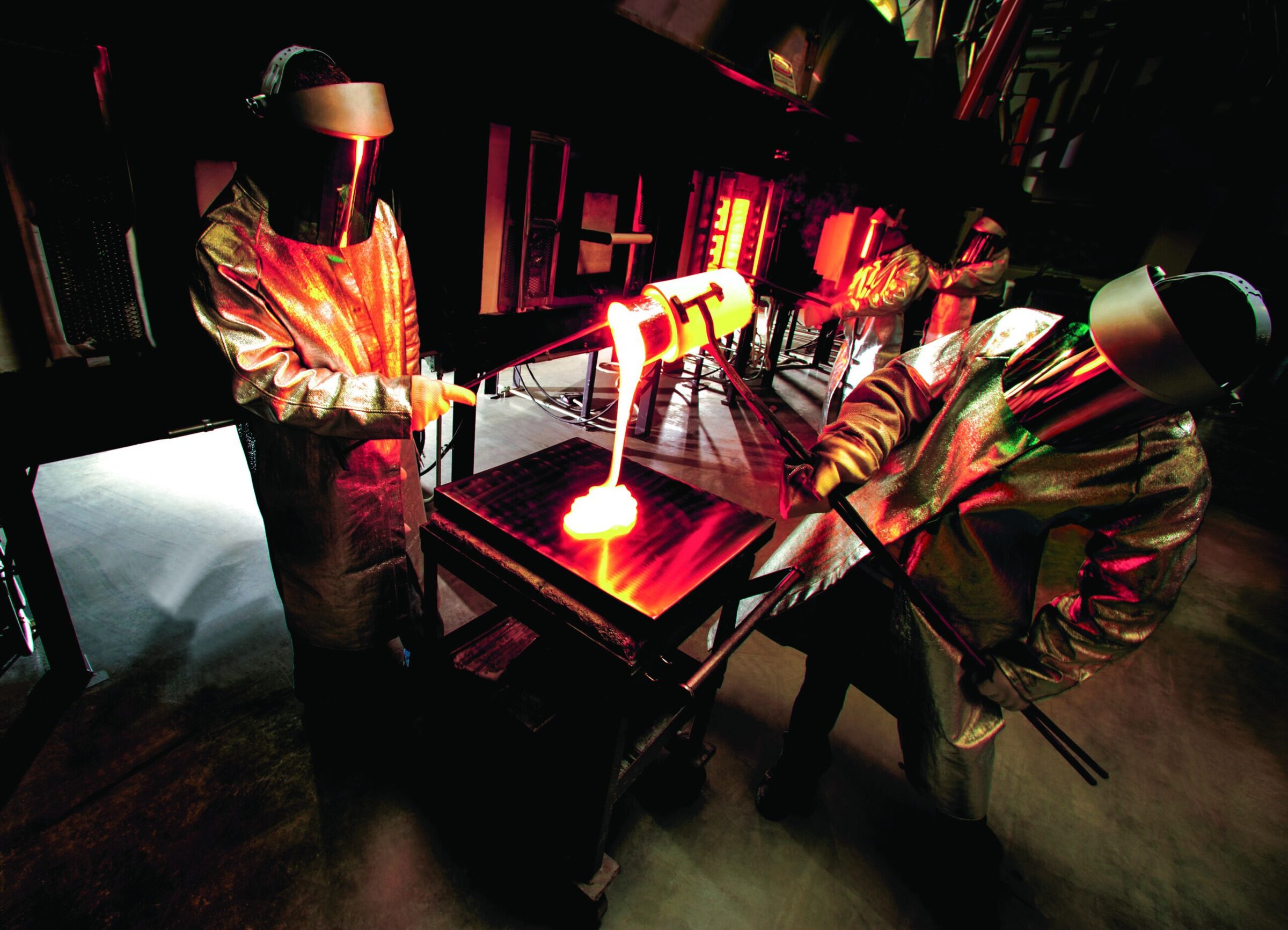
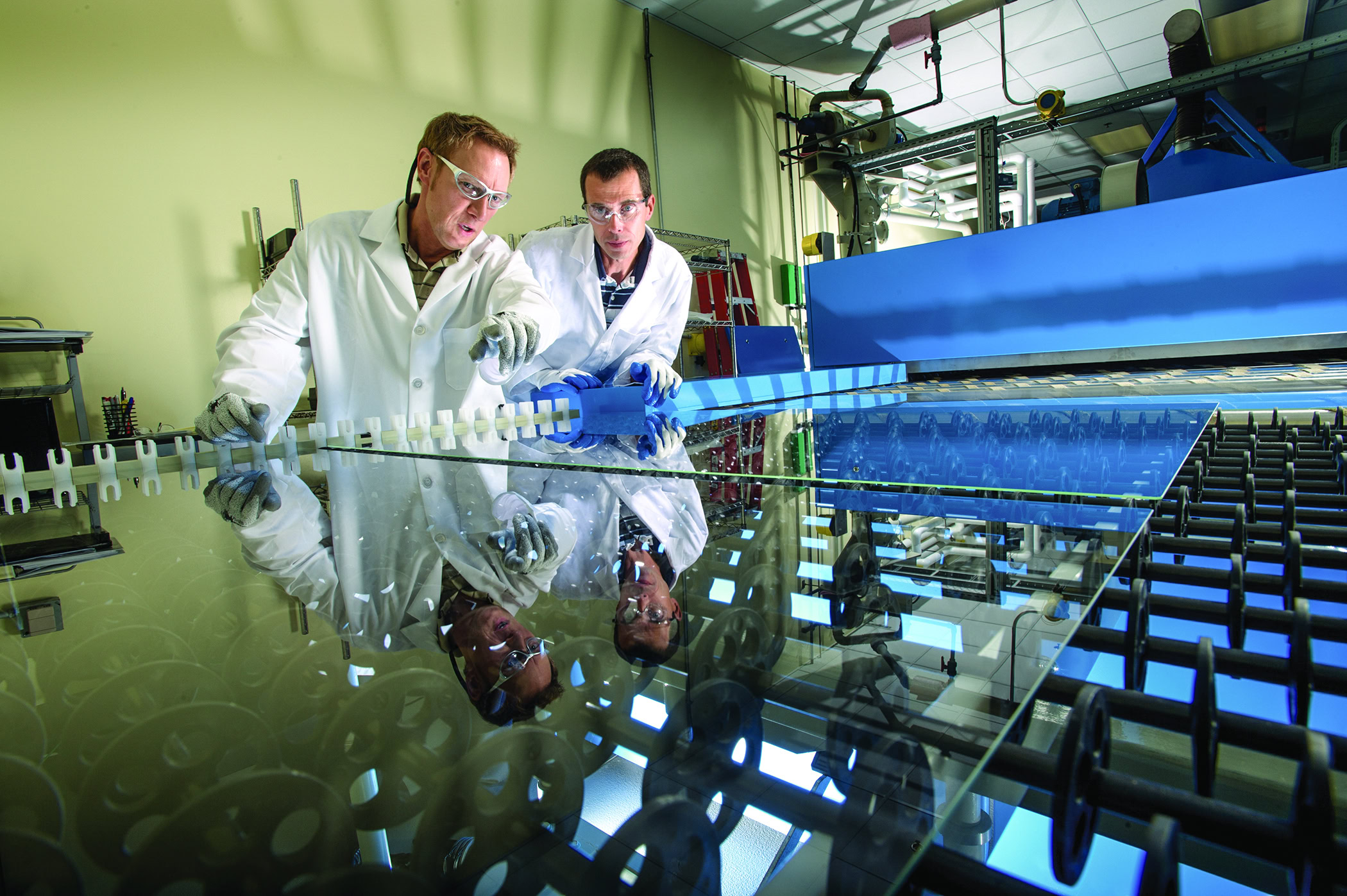
Scientists at the Corning European Technology Center are designing new glasses and improving glass crystallization. Credit: Corning Incorporated
Daniel Ricoult, director of the Corning European Technology Center, notes that many of the company’s activities in France relate to sophisticated specialty glasses, such as those used in ophthalmic lenses or high-refractive glasses. His team’s support extends to designing new materials, improving the glass crystallization cycle, and ensuring that materials have the necessary attributes.
Precision testing and analysis are essential to this work, and his team’s expertise in “understanding and testing what makes components work” is valuable within the plant, to the business overall, and “ultimately to customers, with whom we interact very closely in Europe,” he says. “We are recognized within Corning global as the center of excellence in this area.”
The need for ceramics that perform in extreme conditions also drives research at the Laboratory of Thermostructural Composites. Director Gerard L. Vignoles, who also is on the faculty at the University of Bordeaux, is working on applications related to atmospheric re-entry, transformation of ceramic foams for use in energy management, and applications related to chemical engineering. Each area of development focuses on creating materials that are able to withstand exposure to extreme temperatures. An additional, emerging field of inquiry is ceramic-matrix composites for components in civil aircraft engines.
This research is spurred by world, not just European, market demand for aircraft that make more efficient use of fuel and reduce emissions of nitrous oxide. “Everything is pushing this material to appear,” Vignoles says. “Lighter materials are capable of operating at higher temperatures, which are more efficient and more environmentally friendly.”
Also on the energy frontier is work being conducted by RS2E, the Research Network on Electrochemical Energy Storage. As its name implies, the network’s focus is energy storage devices, including rechargeable batteries, supercapacitors, and “other alternative techniques intended for multiple commercial products.” Late last year, RS2E announced that it had produced the first sodium-ion battery in the industry-grade 18650 format. “The energy density performance (90 W•h/kg) is above expectations,” the organization says, “especially considering the excellent cycle life (at least 2,000 charge/discharge cycles).”
As these ventures suggest, French research laboratories, institutes, and corporations depend on collaboration and knowledge sharing, and they welcome the opportunity to form cross-border partnerships, within the European Union and worldwide. CNRS alone has 35 international joint units in operation, including five created in 2014. And the organization notes that 95% of its research and service units “operate in partnership with academic and research institutions or other types of organizations and businesses, in France and abroad.”
Professor Anne Leriche, who teaches at the University of Valenciennes and Hainaut-Cambrésis and works in the university’s Laboratory of Ceramic Materials and Associated Procedures, is a past president of the 27-member-nation European Ceramic Society. Her work focuses on bioceramics for bone substitution. “We study different processing techniques to control the porosity, size, and shape and to try to remake the natural bone,” she says. In recent years, she has been exploring the use of 3-D printing, which allows modification of shapes and angles. Her areas of research extend to ceramic coatings and nanocomposites.
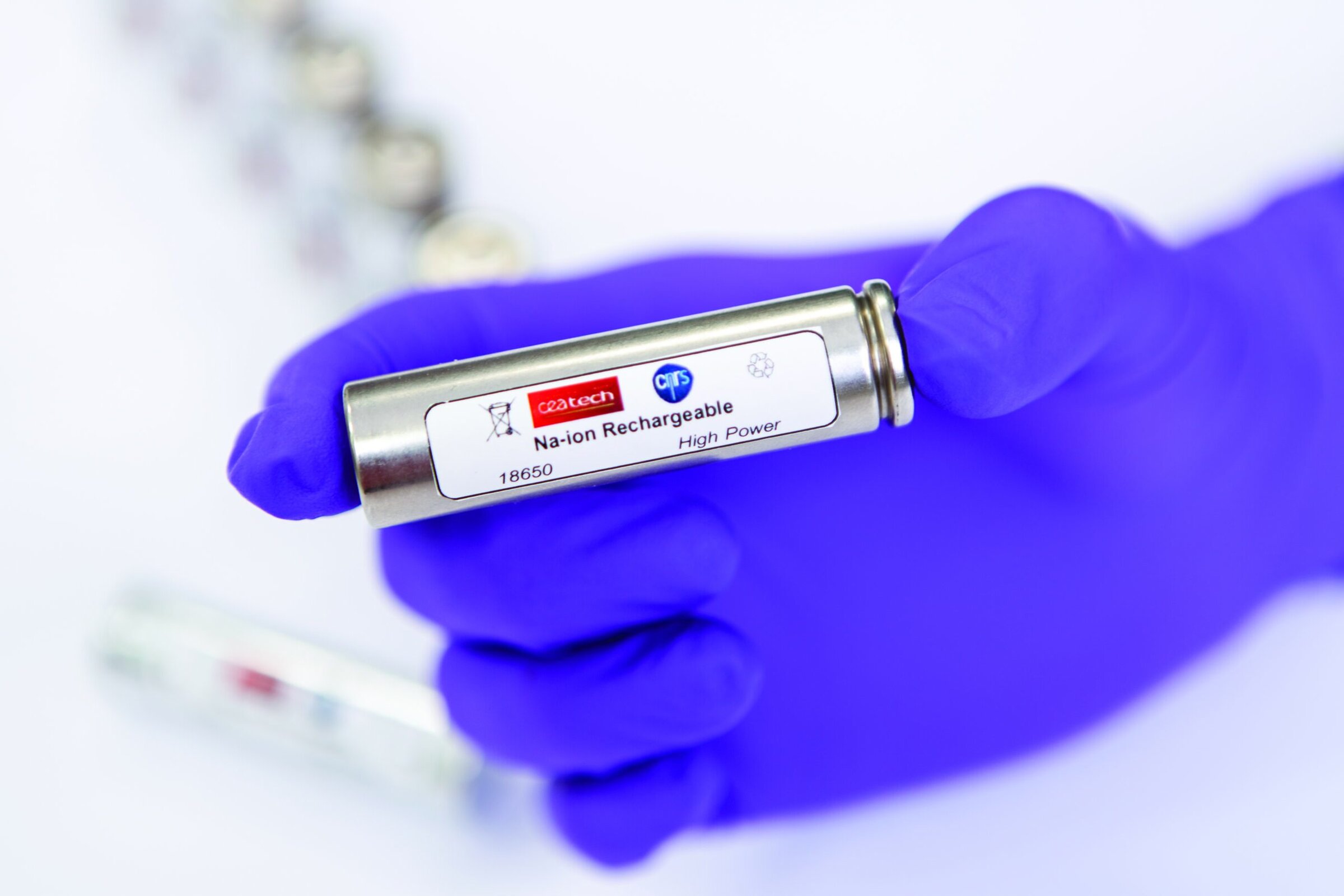
French scientists recently developed the first rechargeable sodium-ion battery in an industry-grade format. Credit: Vincent GUILLY/CEA
As a university professor, she is particularly committed to ECerS goal of promoting “activities interesting to the young ceramicists in Europe” and helping them “to progress in their work and to get better positions.” The organization hosts an international conference in Europe every two years and promotes interest in all ceramics development, with an emphasis on technical ceramics, she says. At the most recent conference, topics of particular interest included bioceramics, dental applications, and carbide ceramics.
Another transcontinental initiative is Europe Makes Ceramics, a European network pursuing developments in additive manufacturing of ceramics. The organization was launched by academic members and plans to integrate corporate members soon.
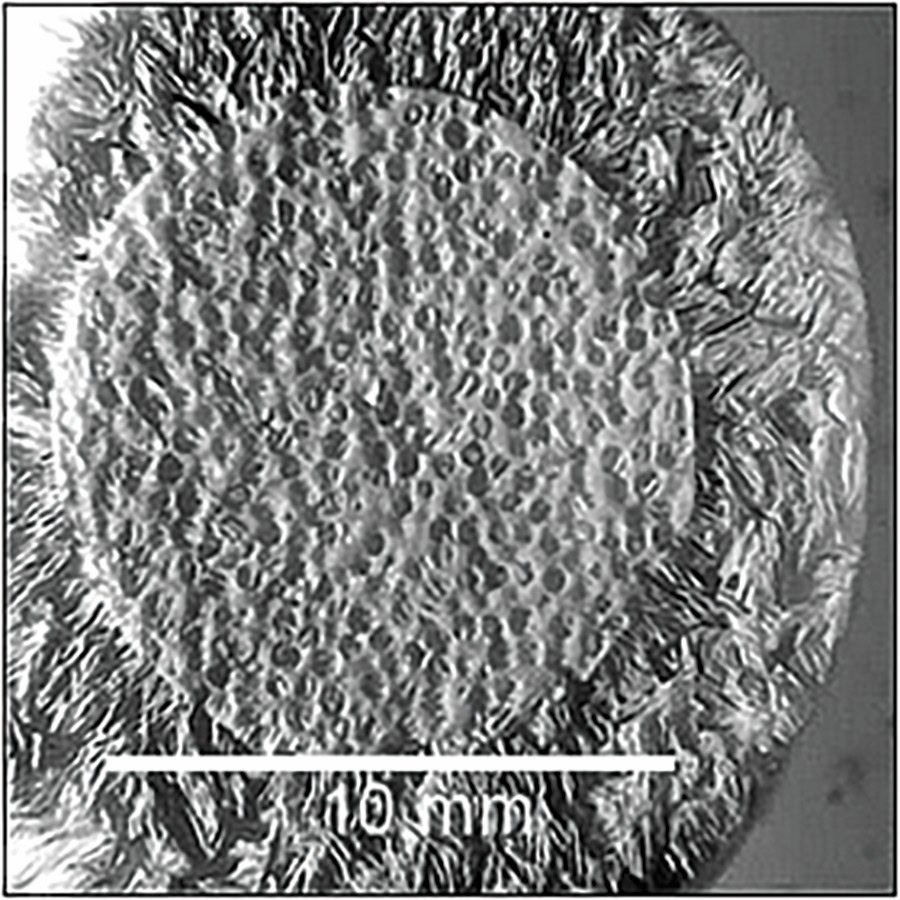
Calcium phosphate bone substitute developed in the lab of Anne Leriche. The material is designed to have differing porosities to mimic compact and spongy bone. Credit: Anne Leriche
Modeled on America Makes (Youngstown, Ohio), its goal is to increase European competitiveness in this field, but collaboration is not closed to organizations beyond the continent. “American partners—especially the ones involved in America Makes—are very welcome to establish collaborations or some links with EMC to get an even higher coordination at the international level between America and Europe,” says CNRS researcher Thierry Chartier. “We also are trying to establish connections with America Makes.”
There is an established process for universities, institutes, and corporations in the United States that want to collaborate with French colleagues. Those interested should begin by searching the European Research Council’s database to identify researchers at work in fields relevant to their areas of interest. That will allow identification of French laboratories at work on related projects. Contact made at a higher level—such as the national CNRS headquarters in Paris—also can work for larger institutions, but that is not always the most constructive approach.
“The directors of those labs are quite focused on the research line and are very accessible,” CNRS researcher Fabrice Rossignol says. “If you know your needs, the best way is to contact the director, who always will answer or at least forward your request to relevant colleagues.” Bear in mind that French laboratories and institutes favor long-term partnerships over project-specific research ventures. But if there are strong parallels between the research objectives and those of a French research lab, it is possible to begin the relationship there and expand it as opportunities arise.
CNRS: Service-centered research
The National Center for Scientific Research works in service to society and science
The French government founded the country’s National Center for Scientific Research in 1939. Its mission is to conduct research “capable of advancing knowledge and bringing social, cultural, and economic benefits for society,” and this focus is key to understanding the way the organization works and how it selects its fields of inquiry. At CNRS, research can drive commercial opportunity, and commercial opportunity can drive research—but underpinning every venture is the mandate to serve society. Regardless of a project’s focus, it must serve societal needs.
“Our basic mission at CNRS is not to work for companies,” says CNRS researcher Thierry Chartier. “It is to improve the knowledge and know-how—the science—for the benefit of everybody, of the whole society. Of course we work with companies. Otherwise we do not have enough funding for research. So, we always have to find a good balance between the industry-driven work and the basic research, which is our mission.”
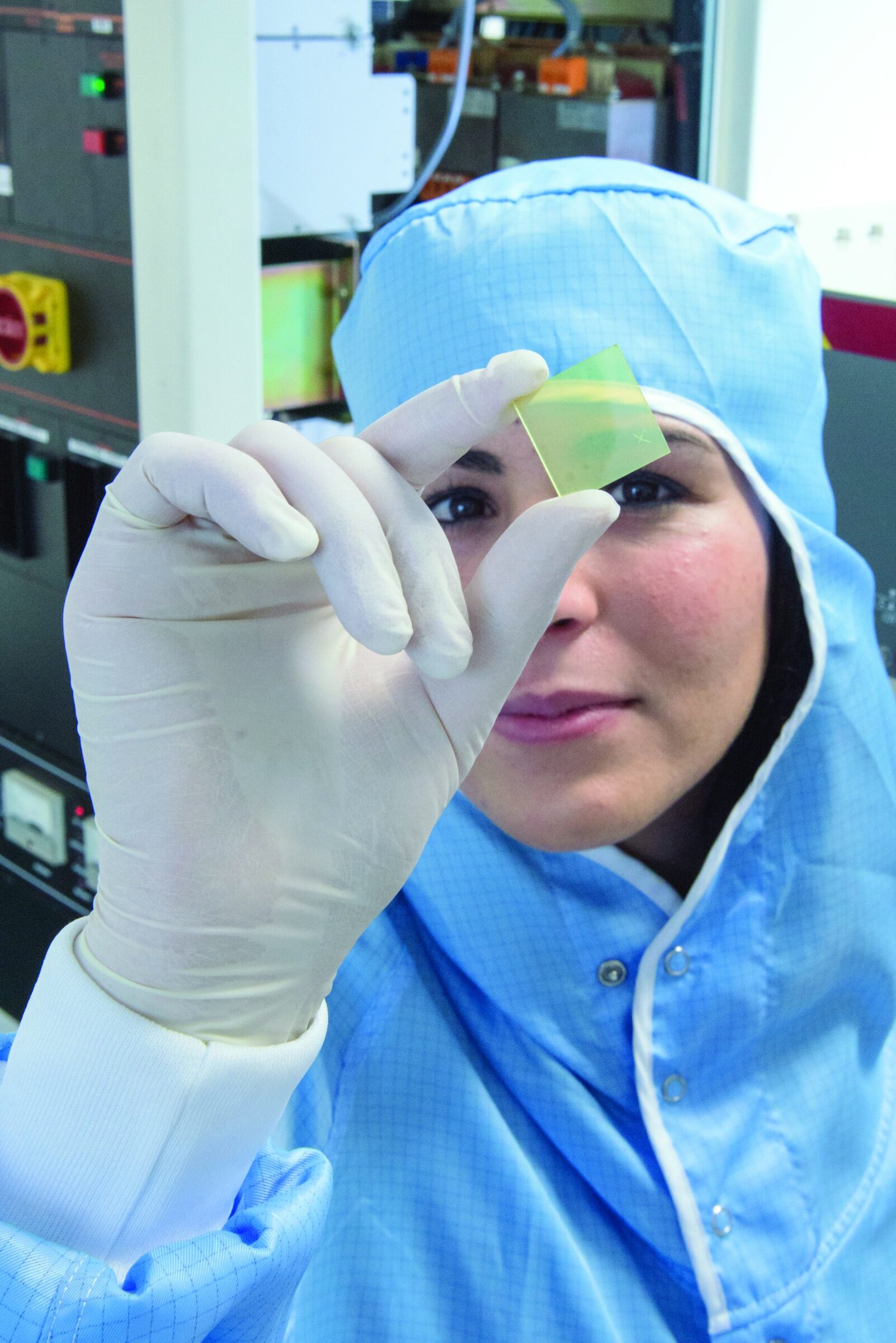
A scientist at the CNRS Interuniversity Material Research and Engineering Centre in Toulouse, France, holds an oxide thin film deposited on a glass slide to study its photocatalytic properties. Credit: Hubert Raguet; CNRS Photothèque
The organization has achieved a remarkable record of performance within those parameters. During the first year of the Horizon 2020 program, CNRS submitted 1,229 project proposals, of which 231 were approved. This became an engine for the country achieving the highest selection rate that year, when 18.5% of approved projects originated in France.
Optoelectronics research, bone tissue engineering, and biosensors used in cancer therapies are strong areas of focus, in line with the mandate to serve societal needs.
“We also work on environment, so basic research lines are linked to how we can develop novel ceramics taking advantage of what nature is capable to do, trying to mimic nature,” says CNRS researcher Fabrice Rossignol. “There is a big consideration with sustainable development as well, whether for energy production, energy savings, or storage.” Other areas of focus at CNRS labs include process intensification—strategies for reducing the energy cost of a process—nanomaterials processing, and the additive manufacturing value chain.
Partnerships are key to pursuing innovation in these fields, and the organization is “strongly convinced that, today, it is not possible to perform good research with visibility at the international level without working with others, and especially outside France,” Chartier says. “You can be skilled in a few things at a high level, but not in everything, so we are encouraged to establish collaborations with international institutions.”
The two researchers work in a lab that is “highly focused on ceramic processing, and we are recognized for this at the international level. But we come from Limoges, and Limoges is a nice place, but a small city,” Rossignol says. “CNRS always is thinking not only at the national level, but also at the European level or international level.” For that reason, he and his colleagues are “always happy” to launch a joint venture with an international partner—ideally one that understands and embraces the need to work in line with CNRS mandates.
Intercontinental commerce
Influential and bigger than realized, France puts cross-border enterprise on the map
Most people think of France as a European country, and they are not wrong—but the French Republic is larger and more geographically dispersed than that. Since the beginning of this century, the former territories French Guiana (South America), Guadeloupe and Martinique (both in the Caribbean), Mayotte (an island in the Mozambique Channel, midway between northern Mozambique and Madagascar), and Reunion (an Indian Ocean island east of Madagascar) have been reclassified as French regions and full members of the Republic.
As of July 2015, the country’s total population was 66,553,766—or 62,814,233 if you count only those living on the continent. Urban dwellers comprise 79.5% of the total. Its labor force was estimated at 29.84 million in 2015—services account for 75.7% of the workforce, followed by industry (21.3%) and agriculture (3%). The unemployment rate for 2015, including the overseas regions, stood at 9.9%, unchanged from 2014 and up from 7.8% in 2008. Youth unemployment has been a particular challenge for the country and peaked at 25.4% in the fourth quarter of 2012.―It has improved marginally since then.
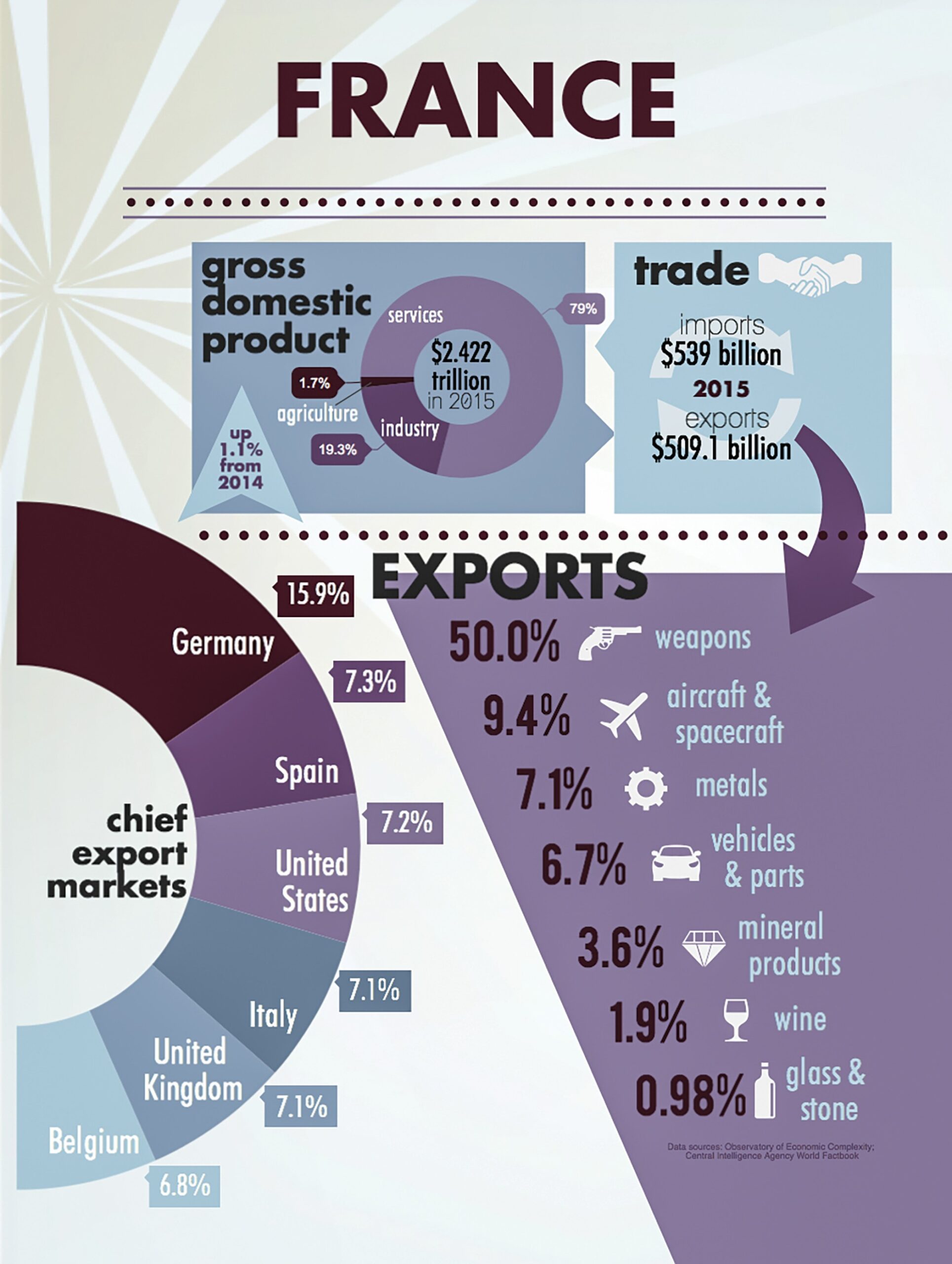
France achieved 1.1% growth in its GDP from 2014 to 2015, following increases of 0.2% and 0.7% in the two preceding years. Its 2015 GDP (purchasing power parity) was estimated at $2.422 trillion, or $41,200 per capita. However, this growth falls short of expectations, and public debt is an enormous challenge―in 2015—it exceeded 68% of GDP, and it may reach 100% this year.
Services, industry, and agriculture generate 79%, 19.3%, and 1.7% of GDP, respectively, and the industrial production growth rate for 2015 was 0.5%. Leading industries include machinery, chemicals, automobiles, metallurgy, aircraft, electronics, textiles, and food processing.
France is closing its trade gap. In 2015, export and import volume were $509.1 billion and $539 billion, respectively. Year over year, that marks a decrease from $584.5 billion in exports and $631.1 billion in imports during 2014. Leading French commodity exports are machinery and transportation equipment, aircraft, plastics, chemicals, pharmaceutical products, iron and steel, and beverages. Commodity imports are led by machinery and equipment, vehicles, crude oil, aircraft, plastics, and chemicals. Germany is the country’s top trading partner for exports and imports. Leading foreign commerce partners for export and import also include Belgium, Spain, Italy, the U.K., and the U.S. The Netherlands and China also are key import partners.
Credit: April Gocha
For further details and export support, see the Export.gov France Country Commercial Guide, Doing Business in France page, and information on business service providers—French representatives, agents, and distributors who the U.S. government has determined are available and qualified to help U.S. firms launch their products and services in France. Additional resources include a compendium of economic data and reports maintained by the U.S. Embassy in Paris and the American Chamber of Commerce in France website. There also are French American Chambers of Commerce in many major U.S. cities, including Atlanta, Boston (New England), Charlotte, Chicago, Cleveland, Dallas, Denver, Detroit, Houston, Los Angeles, Miami, Nashville, New York, San Diego, San Francisco, Seattle, and Washington, D.C.
Read more: “Associations, institutes, and government agencies“

Related Articles

Market Insights
Engineered ceramics support the past, present, and future of aerospace ambitions
Engineered ceramics play key roles in aerospace applications, from structural components to protective coatings that can withstand the high-temperature, reactive environments. Perhaps the earliest success of ceramics in aerospace applications was the use of yttria-stabilized zirconia (YSZ) as thermal barrier coatings (TBCs) on nickel-based superalloys for turbine engine applications. These…

Market Insights
Aerospace ceramics: Global markets to 2029
The global market for aerospace ceramics was valued at $5.3 billion in 2023 and is expected to grow at a compound annual growth rate (CAGR) of 8.0% to reach $8.2 billion by the end of 2029. According to the International Energy Agency, the aviation industry was responsible for 2.5% of…

Market Insights
Innovations in access and technology secure clean water around the world
Food, water, and shelter—the basic necessities of life—are scarce for millions of people around the world. Yet even when these resources are technically obtainable, they may not be available in a format that supports healthy living. Approximately 115 million people worldwide depend on untreated surface water for their daily needs,…