
High-performance refractory ceramics of percolated mullite from waste materials
With the exponential increase in energy consumption owing to rapid industrial growth, there has been an associated significant increase in waste materials production from thermal power stations. In coal-powered stations, large volumes of coal combustion products (CCPs) are produced, including fly ash, bottom ash, and cenospheres. Fly ash is the fine fraction transported by flue gases and collected in electrostatic precipitators; bottom ash is the larger particulate ash that settles at the bottom of the boiler; and cenospheres are hollow fly ash particles.
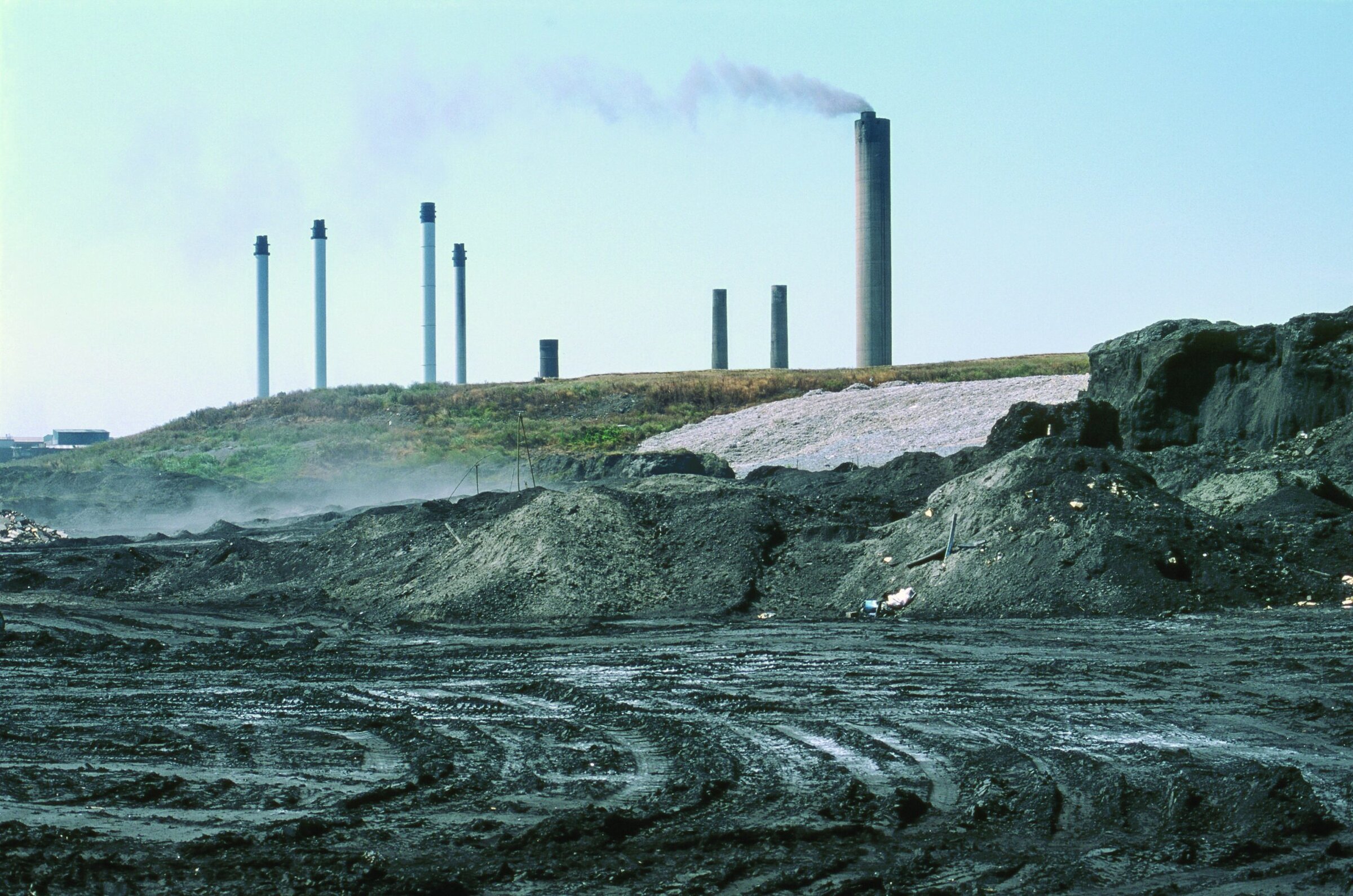
Fly ash is the major component of CCPs and comprises ~80-90% of the ~600 mT of global CCPs that were produced annually in 2013.1,2 Owing to the large volumes produced, coal ash is considered as the world’s fifth largest raw material resource. Despite the large volume of fly ash produced, only ~16% are utilised with the major applications being pozzolanic additions to cementitious products and geopolymers, and as filler for land reclamation. Other research in the conversion of fly ash to zeolites and as a glass-ceramic precursor is underway.2-4 A major factor limiting the increased utilization of fly ash is variability in composition, which results from differences in the characteristics of thermal coal blends used in power stations. Unused fly ash generally is stored in silos at power stations or fly ash slurries are pumped to collection ponds. These storage methods represent significant potential environmental and economic issues owing to the potential for leaching of toxic elements from the fly ash as well as the costs of storage and water and soil remediation.1