
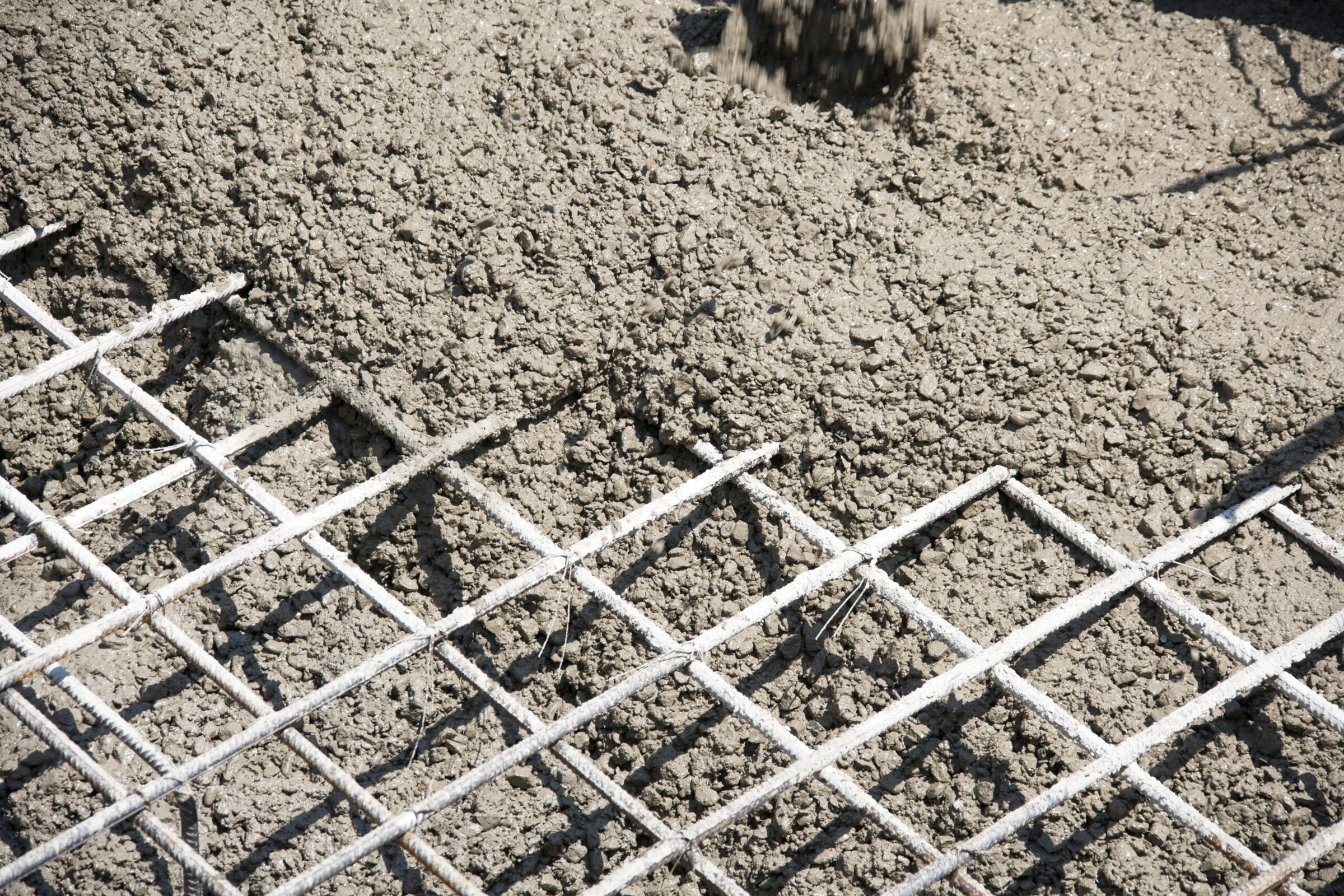
Innovative concretes provide the ultimate solution for rising construction costs and environmental footprint
The global construction industry is expected grow to $15.5 trillion by 2030. This rapid growth is boosted by numerous ongoing major construction projects, such as Al Maktoum airport in the United Arab Emirates and Grand Paris Express in France, which each have costs exceeding $30 billion.1 The “One belt, one road” initiative proposed by China, which plans to connect more than 60 countries via new infrastructures, is expected to receive a total investment of $1 trillion.2 Further, the American Society of Civil Engineers in 2014 reported a renewal program worth $3.6 trillion for infrastructure in the United States.3
Worldwide cement consumption has drastically increased since 1926 (Figure 1). Overall, owing largely to the aforesaid high-cost construction activities, initial construction costs as well as maintenance and repair costs for infrastructures are rapidly rising. This is now adding unprecedented pressure on the construction industry to take active yet appropriate measures and make significant changes. Another key concern is energy and environmental footprints—current concrete manufacturing is responsible for 8–9% of global anthropogenic CO2 emissions and 2–3% of global primary energy use.