
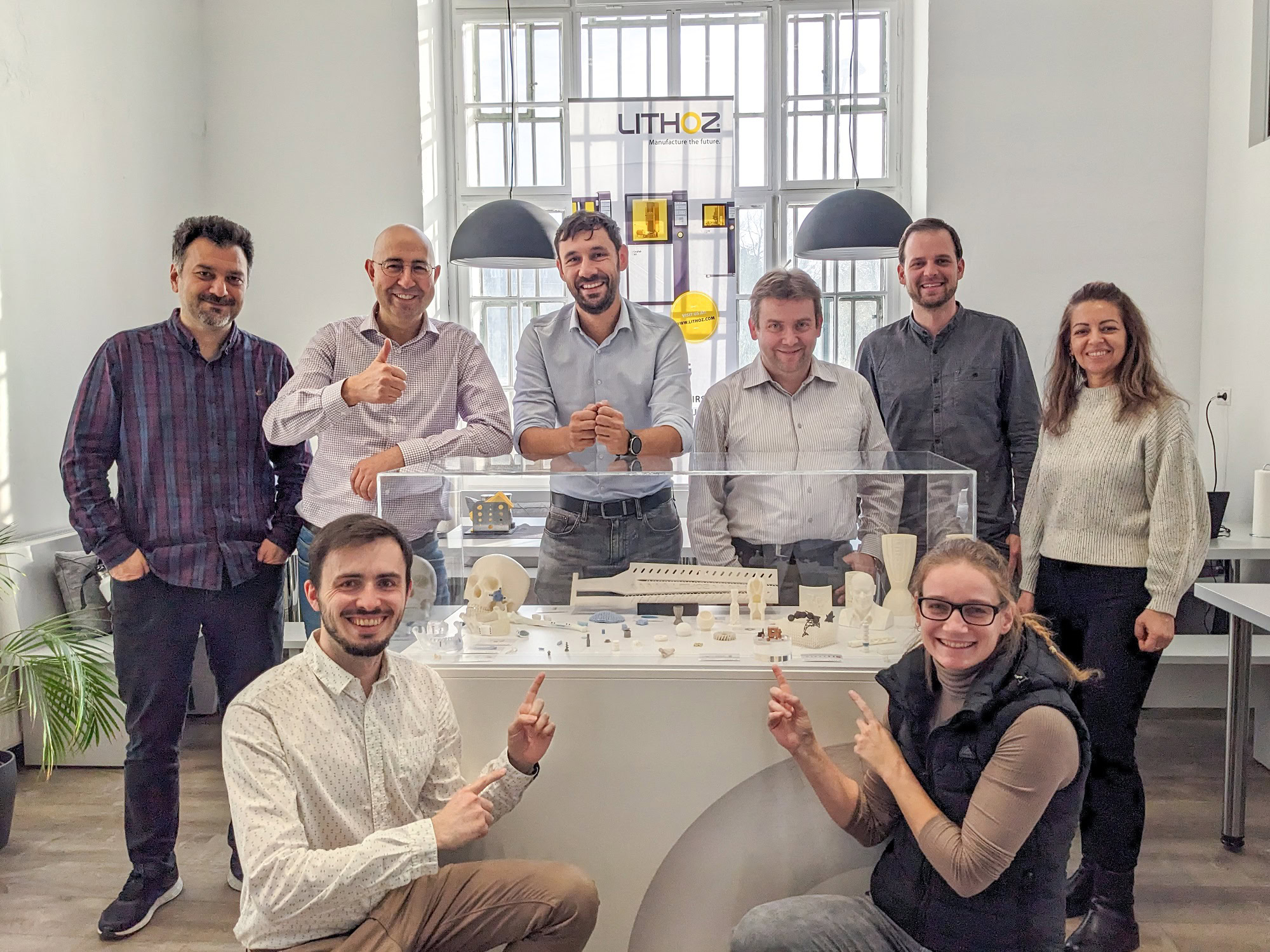
Multimaterial research as the key to innovation in ceramic additive manufacturing
The current rapid advances in the field of ceramic additive manufacturing (AM)—driven by the industrial sector’s emphasis on scalability, cost efficiency, and reliable production of high-performance components—can sometimes obscure the long path scientists have forged over decades to set the fundamentals of ceramic science and engineering,1 which are widely employed in manufacturing processes today.
Understanding processing physics, sintering mechanisms, and the microstructural evolution and corresponding complex material behavior under distinct in-service conditions is key to developing additively manufactured components. But as both industry and academia push toward more complex geometries, multifunctional materials, and sustainable production routes, the ability to accurately model and predict these coupled phenomena becomes even more essential.