
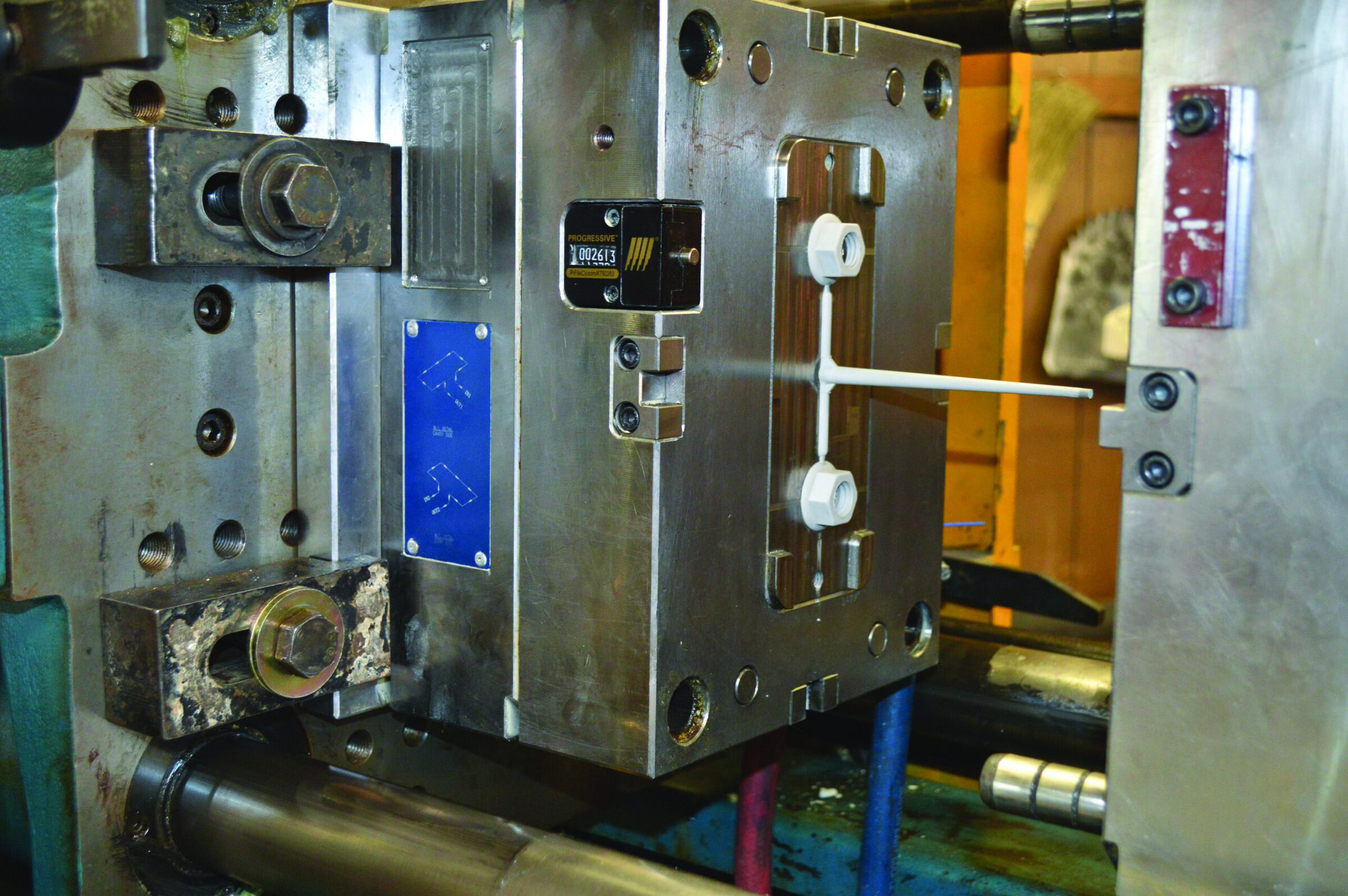
Near net shaping of ceramic components—‘Plant tour’ of a custom manufacturer
Contract manufacturers of customized ceramic parts face tangible challenges. In the spirit of continuous improvement, those of us in mature markets always are looking for ways to reduce delivery lead times and cost. Machining post-fired, high-hardness materials is costly and chews away at already squeezed delivery lead times. The impact of energy cost always is a consideration. For example, pressing ceramic powder into a bulk shape and then machining it down to final form consumes energy. Machined-away material that ends up in the dust collector represents a loss of the material and the energy it took to make it—from raw material through firing. Thus, there are practical and economic drivers for shaping ceramic components as close to final form as possible and minimizing the postfired operations.
Growing importance of technology
Near net shaping (NNS) is an established process. Early approaches to NNS date back to iron casting in the 1620s followed by steels after 1850 and light alloys in the 1940s. Plastic injection molding was developed in the 1920s, and the first plastic parts were produced in the 1930s after the invention of polyethylene in 1933. Besides metals and polymers, engineering materials such as Portland cement, refractories, cermets, and fused silica were being formed to near net shape during the 1930s. Combining injection molding with powder metallurgy led to powder injection molding (PIM). Delco first used injection molding to form ceramic spark plug insulators in the 1940s after securing a patent on the process in 1938.