
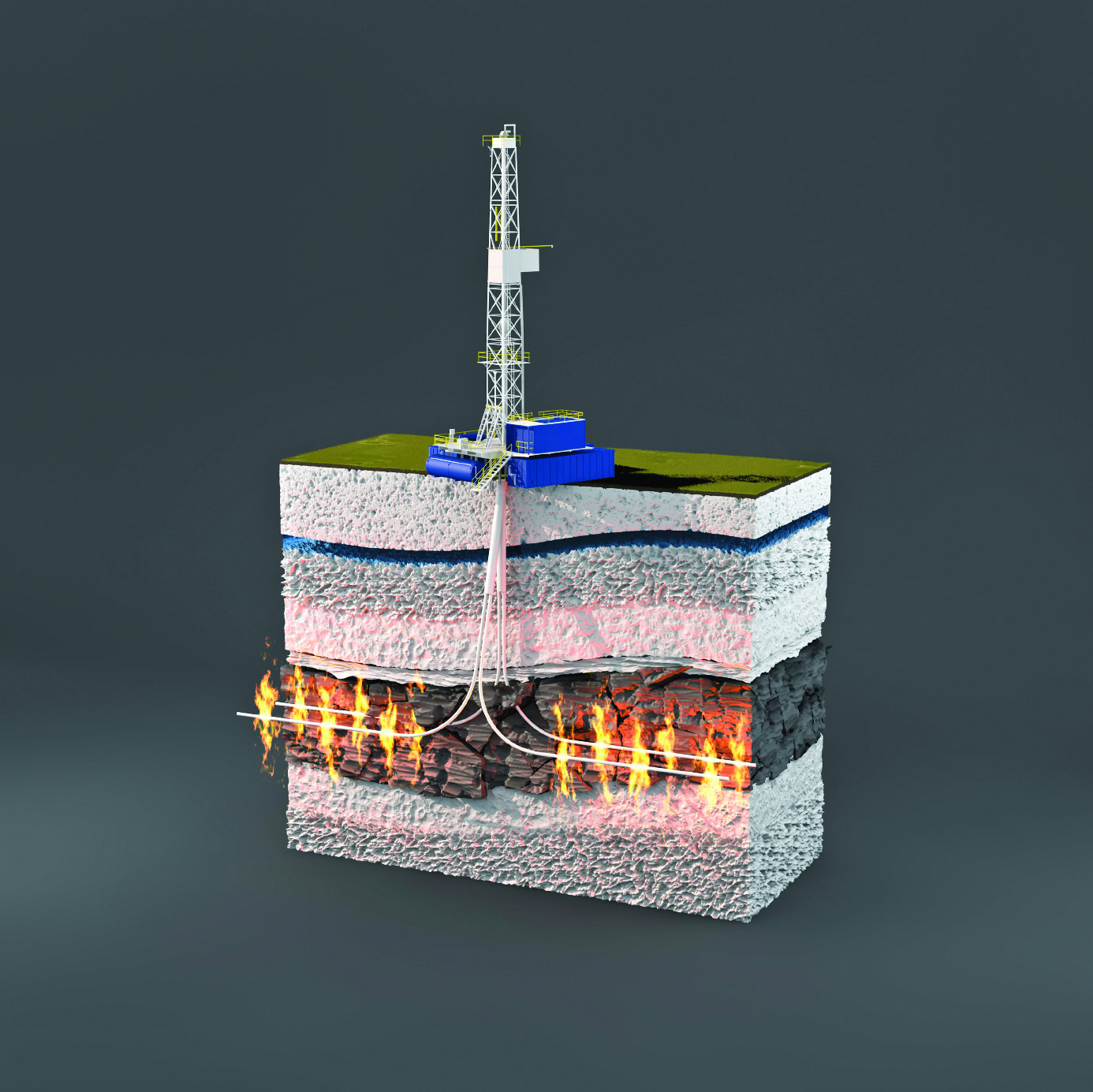
Proppants for shale gas and oil recovery: Engineering ceramics for stimulation of unconventional energy resources
The development and commercialization of natural gas- and oil-containing shales during the past decade have been instrumental in making the United States self-sufficient in terms of natural gas supply, with significant export potential. Concurrently, the significant increase in natural gas supply has the nation poised to make natural gas the largest component in our energy mix, while simultaneously slashing our greenhouse gas emission. Likewise, the bountiful supply of natural gas as an energy source and chemical feedstock has spurred a resurgence in the petrochemical, synthetic fuels, fertilizer, and manufacturing industries. Similar benefits are occurring in the ceramics industry, and opportunities abound for even greater contributions from our community.
Directional drilling and hydraulic stimulation technology have been the main drivers for recovery of unconventional energy resources such as shale gas, gas from tight sands, and even coal bed methane. Natural gas is contained in fine, isolated porosity and adsorbed onto other organic constituents contained in the shale. The relatively impermeable nature of the shale requires creation of additional surface area to retrieve trapped natural gas in commercially viable quantities. Directional drilling accesses the deep, undulating shale seams to allow high recovery rates from intersecting fractures in the shale, while hydraulic stimulation fractures the shale to create the high surface area required for gas retrieval.