
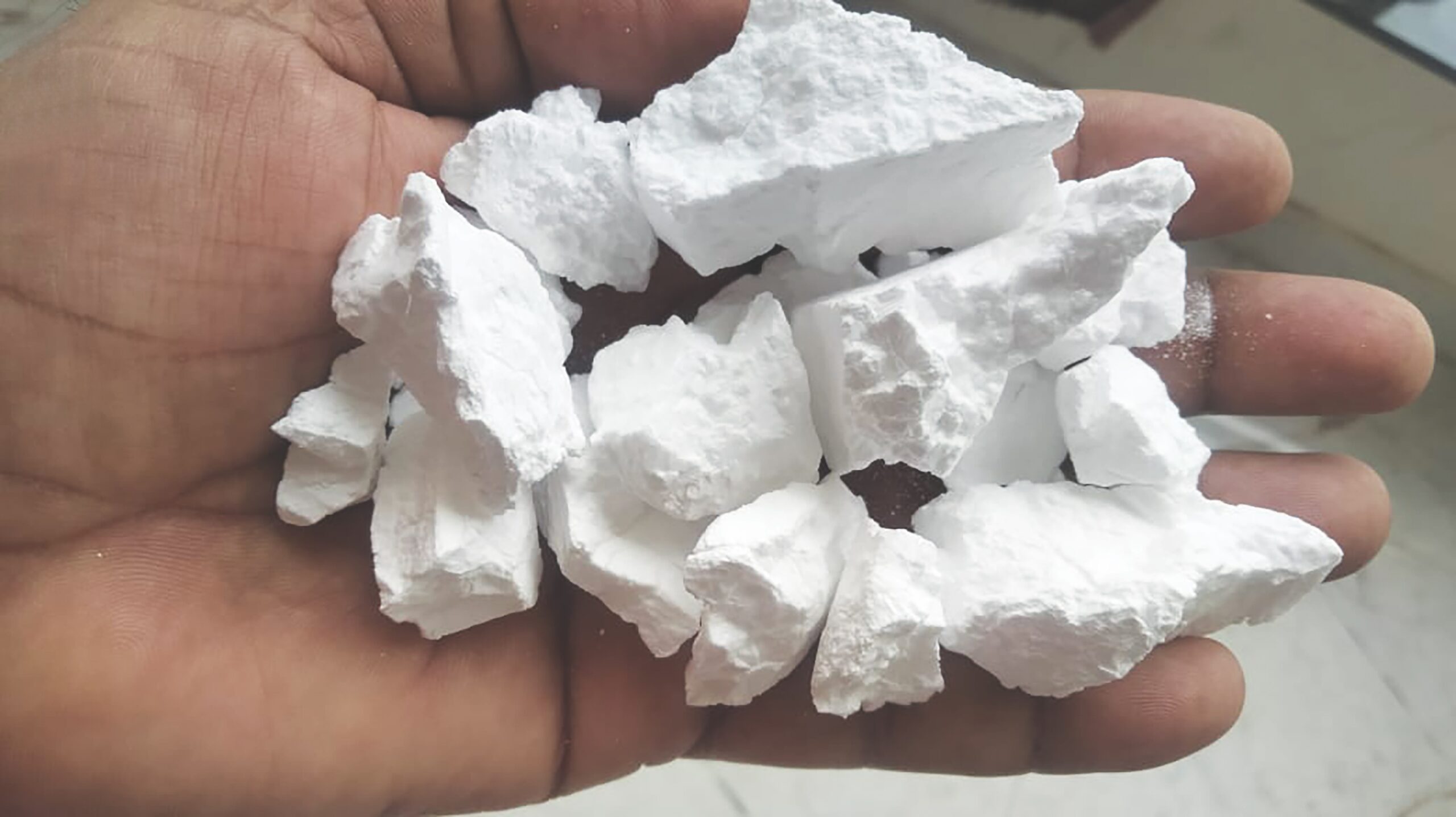
Sintered synthetic cristobalite: Innovative kiln-based thermal transformation of quartz
Cristobalite, a high-temperature polymorph of silica, is widely used in ceramics, glass, paints, refractories, and dental materials due to its low density, high whiteness, thermal expansion behavior, and mechanical stability.
Traditional cristobalite production methods rely on static sintering of finely ground quartz at high temperatures (~1,750°C) for extended durations (2–3 hours in burning zone, 6–7 hours from kiln inlet to outlet), which often results in incomplete transformation, high energy consumption, and impurity retention. This article presents a novel rotary kiln-based production route that utilizes mineralogical understanding and controlled thermal regimes to achieve efficient, continuous, and industrial-scale cristobalite production.