
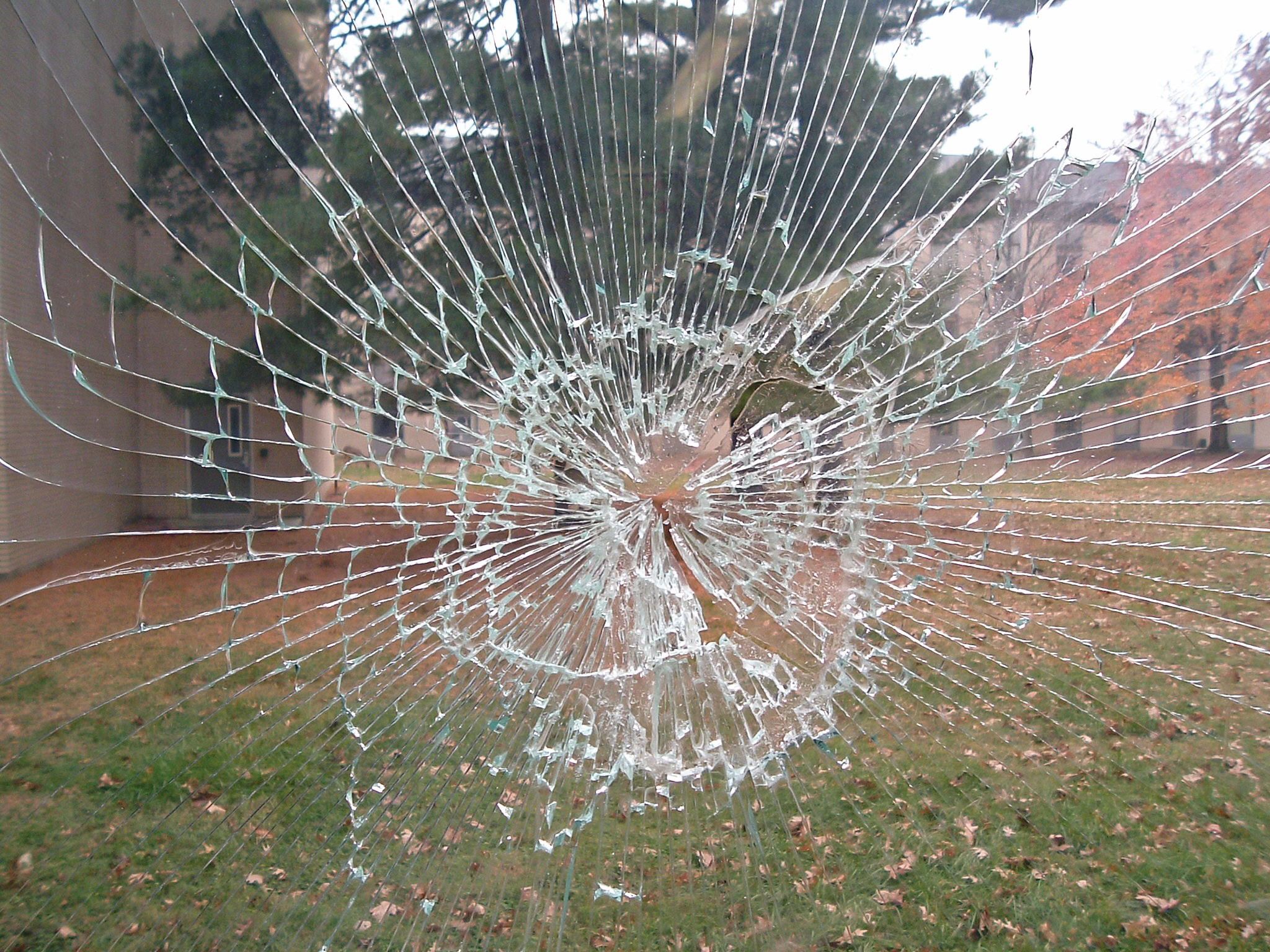
Why did it break? 38 years of teaching fractographers how to answer the question
Brittle materials are prone to catastrophic fracture with little or no plastic deformation and often no warning. Fortunately, brittle fracture leaves clear patterns and surface markings that provide a wealth of interpretable information. In many respects, fractographic analysis of ceramics and glass is easier and can produce more quantitative information than fractographic analysis of metals or polymers. In fact, fractographic analysis of brittle materials can answer many practical problems: Why did it break? Did it break as expected or from an unexpected cause? Was there a problem with the material or was the part simply overloaded or misused? What was the stress at fracture? Was the laboratory strength test successful or was there a misalignment?
The late Van Derck Fréchette first taught a three-day summer short course in 1977 on fractography of glasses and ceramics at the New York State College of Ceramics at Alfred University, where he was a professor (Figure 1). This course, with substantial updates, has been offered every summer since and is almost always fully subscribed—a remarkable run for a topical short course that attests to a continuing need to interpret why things break. The hands-on course explains mechanisms that produce fracture markings and emphasizes information the markings provide. The course also stresses the role of fracture analysis in failure prevention, or ensuring mechanical reliability. Alfred will offer the 2015 course, “Failure analysis and failure prevention of glasses and ceramics,” June 15–19, with instructors George Quinn and Jim Varner. This article describes how the course has changed over time to reflect increased knowledge in the field and a growing understanding of the key role fractography plays in achieving high mechanical reliability of glass and ceramic products.