
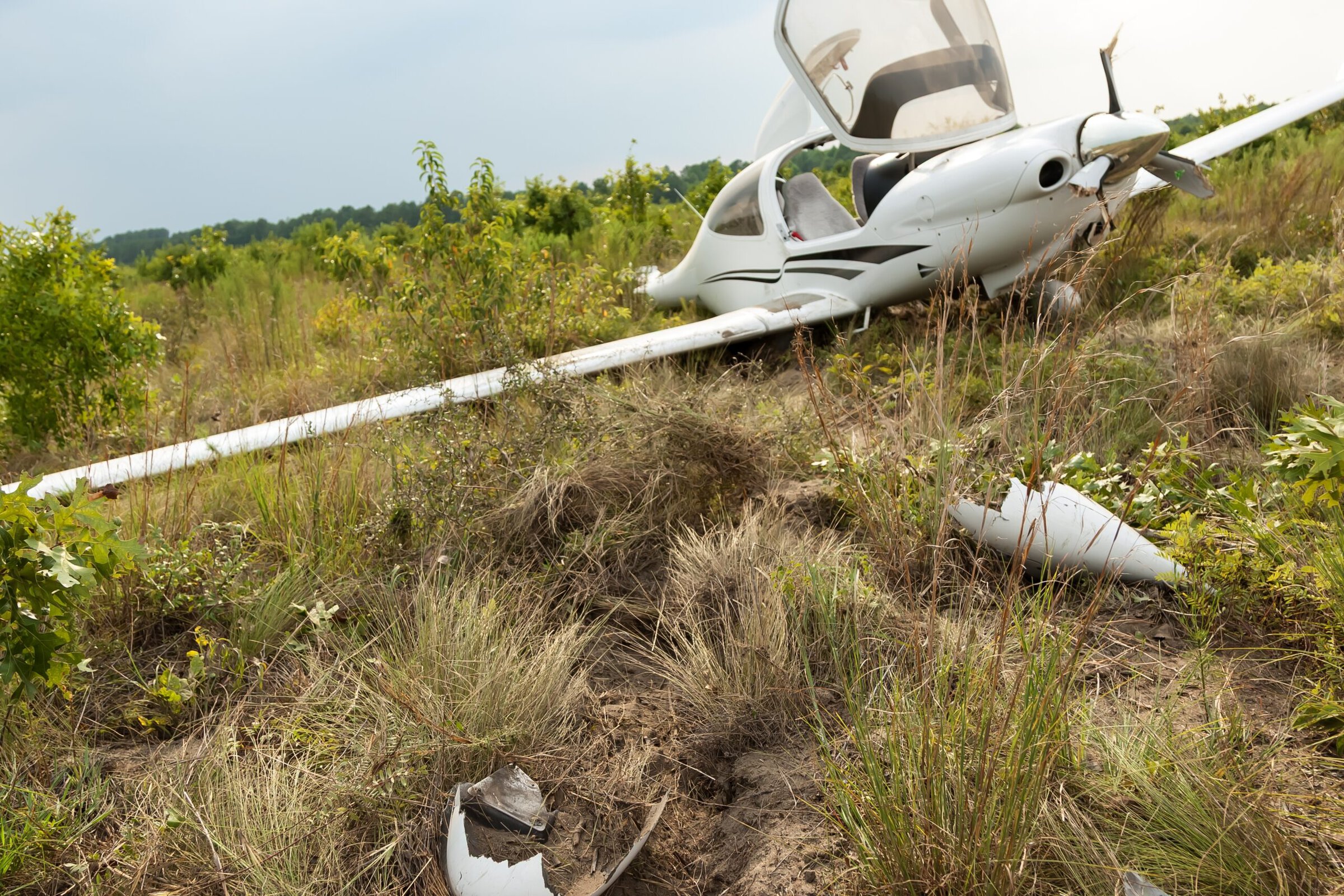
Aerospace maintenance: The need for improved understanding of interfacial failure
Since the mid-20th century, aerospace structures have been increasingly defined not by bolts and rivets but by bonds.
Thin interfacial joining layers—including polymeric adhesives, glass solders, and other ceramic and metallic joining materials—enable lightweight assembly of structural components while also reducing stress concentrations associated with mechanical fasteners. From fuselages to control surfaces in both military and commercial aircraft, a wide range of interfacial joining technologies—including adhesive bonding, soldering, and brazing—are integral to structural performance and efficiency of vehicles in this sector.1,2