
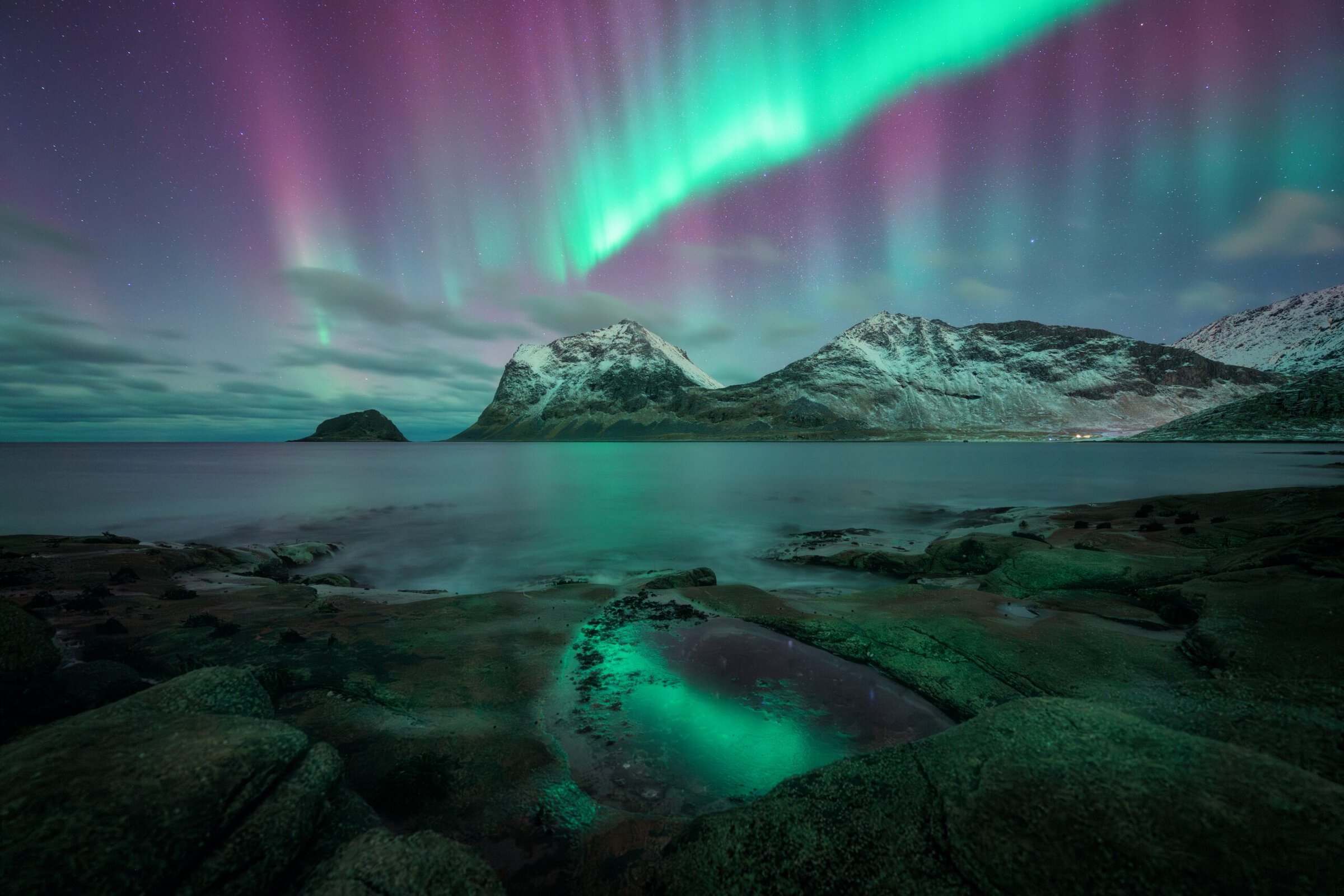
Aldís Yngvadóttir: Digging into clay and family history
Aldís Yngvadóttir digs into the Icelandic landscape and her own family history to create her ceramic arts. Her grandfather was a pioneer in using the local material known as glacier clay during the 1920s, and her grandmother was also a ceramic artist. The family business, now run by her nephew, continues today, but she completed a career in education before turning to pottery as a second chapter in her professional life five years ago.
Like her grandparents, Yngvadóttir is drawn to using local materials because “It’s more friendly to the environment,” she says. Walking along the beach outside her home on the Reykjanes Peninsula, she gathers a material called scoria (Figure 1), which is left behind following volcanic eruptions.
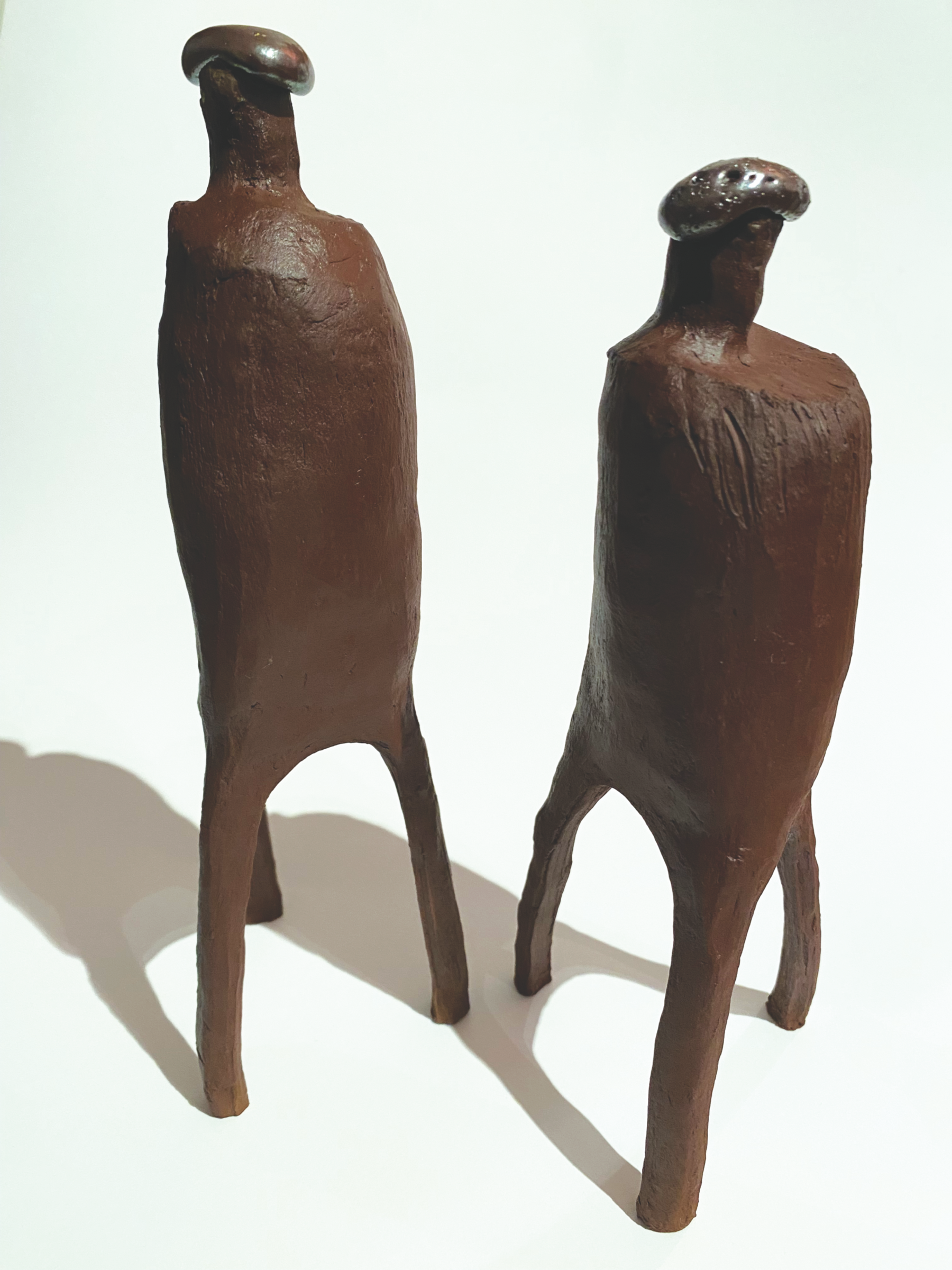
Figure 1. Example of the Hulduverur or “Hidden Creatures” that Yngvadóttir creates out of the scoria, inspired by Icelandic folklore. Credit: Yngvadóttir
“Scoria is just basalt, the most common rock in Iceland. The lava is thrown into the air from the crater, and it cools very quickly and becomes fluffy,” Yngvadóttir says. “I fire them with the clay, so they sort of melt and get stuck to the clay. They change very much in the firing, becoming almost like metal.”
Artistically, she says her work emerges from a “free flow” that “probably depends on my unconscious mind. I’m not interpreting anything special, but I often am really preoccupied by the form.” In addition to this ongoing work, she has started experimenting with casting Icelandic clay on a small scale as a precursor to casting larger sculptures.
View more of Yngvadóttir’s work on her Instagram: @aldisyngvadottir
Antonía Bergþórsdóttir: Sculpting sauna tiles and spirits
Working with clay became part of the rehabilitative process for Antonía Bergþórsdóttir after she broke her back. Her fascination with the material then took on another dimension while she was employed by a glacier guide company. This experience was her first exposure to glacier clay, which turned out to be present on her family’s farmland as well.
“This clay is from the glaciers that used to be around during the Little Ice Age, and it’s gone underneath the ocean, so it’s actually a low-fire glacier clay,” she says. “My practice is working with local materials here in Iceland, but then also Greenland.”
In recent years, Bergþórsdóttir has focused on developing architectural tiles made from Icelandic materials. This focus led to a collaboration with her brother and grandfather, both woodworkers, to build a sauna constructed of wood from a nearby forest (Figure 2). The sauna features 600 tiles she handcrafted for the project.
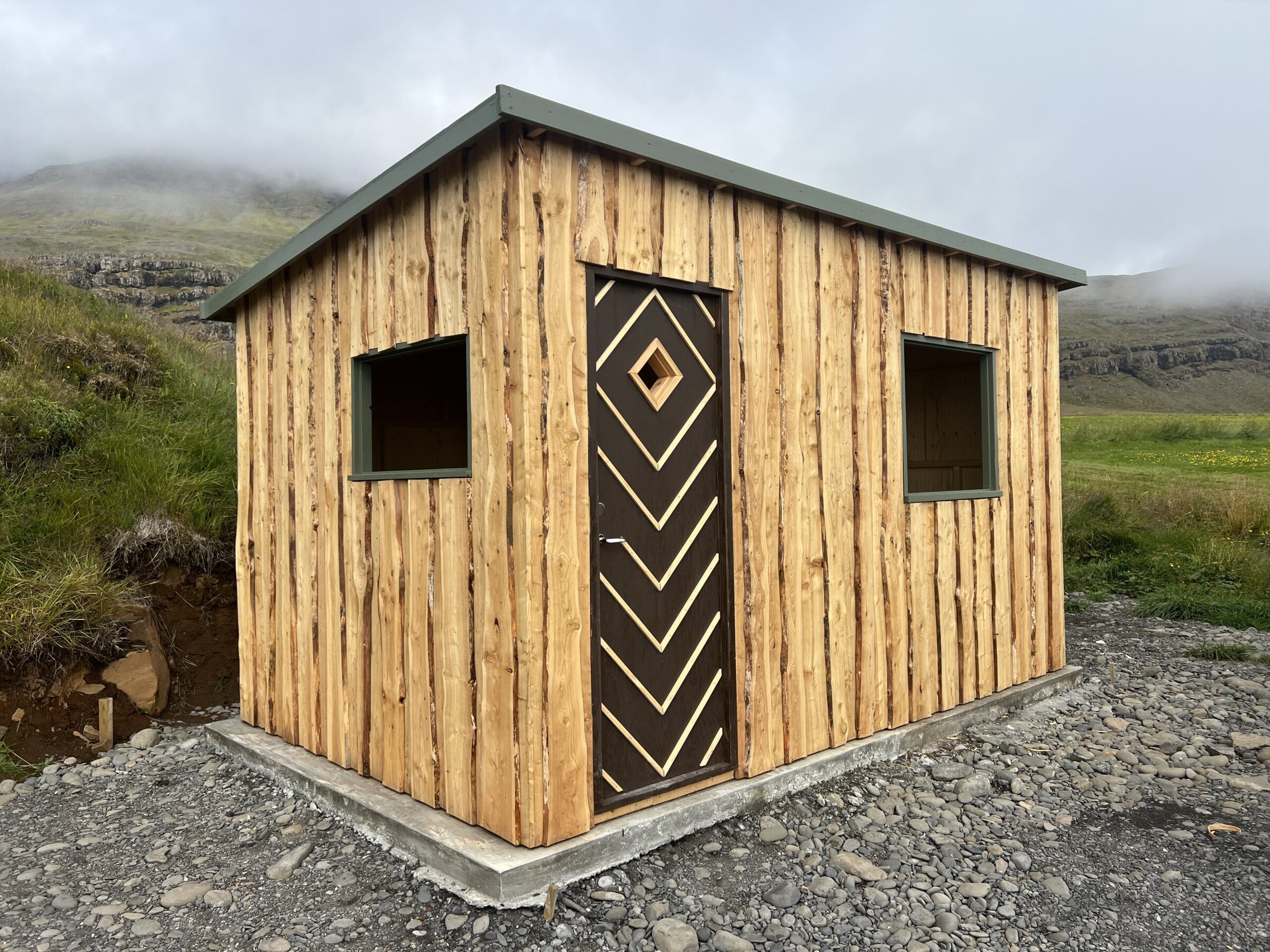
Figure 2. Outside of the sauna made by Bergþórsdóttir and her family. Credit: Bergþórsdóttir
“When it comes to architecture in Iceland, we import 99% of most building material, especially when it comes to tiles or cladding,” Bergþórsdóttir says. “The tiles for this project are like a whole recipe that will allow me to test out Icelandic clay.”
Her work also reflects her fascination with dragons, which are prominent in Icelandic folklore (Figure 3). “We have four protectors, the dragon, the giant, the eagle, and the bull, and each of them protects an area of the country,” she says. Her area, the East Fjords, is protected by the dragon.
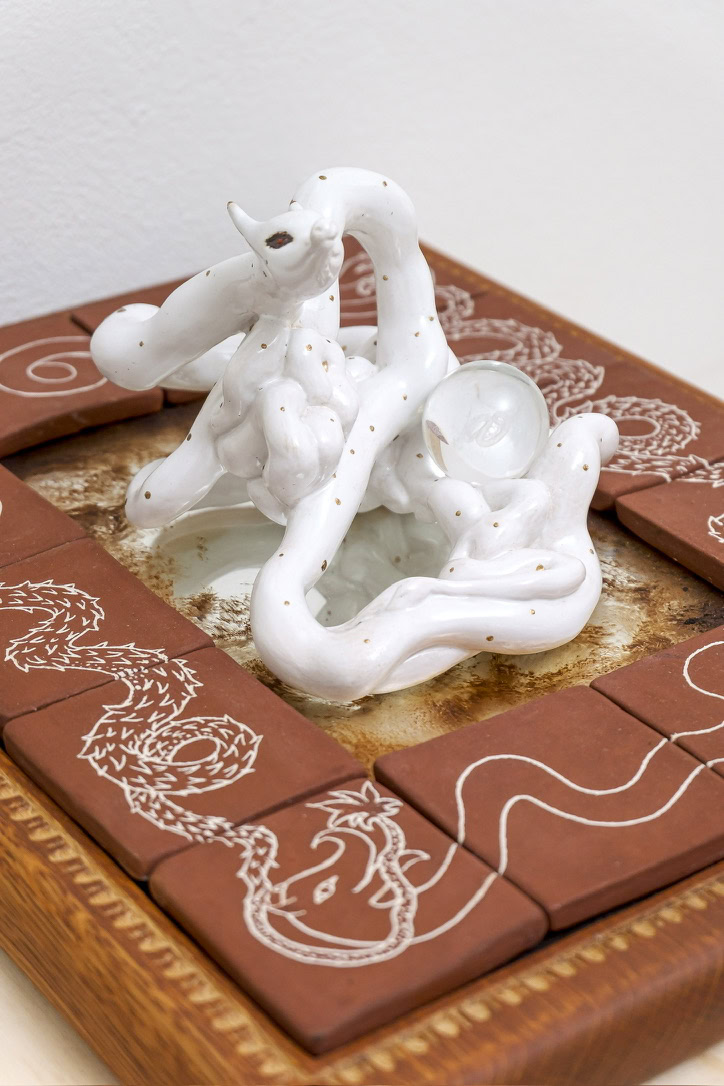
Figure 3. Bergþórsdóttir’s dragon sculpture and tiles inspired by Icelandic folklore. Credit: Bergþórsdóttir
“It’s a huge part of my work and upbringing. But then also working with nature, working with the spirits of the land, actually going into nature, documenting, but then also feeling the emotion that comes up with this place. That affects the art piece as well,” she says. “Everything has a little spirit and has a little story. It is nice to see how people are reflecting, with their own emotions, meeting these spirits.”
View more of Bergþórsdóttir’s work on her Instagram: @augnablikin
Guldagergaard: Denmark’s global ceramic arts center
While these Icelandic artists revive interest in local materials, Denmark’s Guldagergaard is a showcase for international ceramic arts. This center is one of eight ceramic centers worldwide that offers residencies to international artists. It describes itself as a place where “scientific research, artistic development, and professional practice meet and pave the way for new discoveries, inventions, and new ways to create.” Learn more at https://ceramic.dk.
The center is located on a former fruit farm that now is home to exhibitions, tours, and artist talks as well as the Claytopia Summer Festival, which in 2026 featured works by artists from 12 countries across three continents.
Learn more about the festival at https://claytopia.dk.
Return to main article: “Green lands: Nordic countries share knowledge and resources in pursuit of global leadership in sustainable practices“

Related Articles

Market Insights
Digging into the development of uniform global mining standards
Mining standards and regulations have historically varied by region, nation, or locale, making for a patchwork of guidelines and laws for environmental protection, water and emissions management, proper waste disposal, worker rights, and engagement with Indigenous communities. Multinational mining companies, manufacturers, downstream customers, and socially conscious investors have for years…

Market Insights
Rethinking Arctic research: CIFAR report proposes pathways for the Arctic’s future
Although organized, multinational scientific research in the Arctic has taken place since the late 19th century,1 the past two decades have seen a surge in activity alongside the rapid ecosystem changes (Figure 1).2 Yet these scientific studies are increasingly mired in geopolitical tensions and economic interests,3 which means that scientists…

Market Insights
Global markets for lithium and green mining
The electrification and digitization of modern life drive increased demand for certain minerals, but they also drive the need for more environmentally conscious mining practices. Two recent BCC Research reports investigate the global markets for lithium mining and green mining, respectively. This Bulletin content is for ACerS members and registered…