
This article presents an overview of recent advances in the development of ceramic nanosensors to identify disease markers arising from nanoscale synthesis of novel polymorphs of metal oxides, the fabrication of one-dimensional nanoceramics and their emergence as viable solutions for noninvasive medical diagnostics. The development of diagnostic breathalyzers (Figure 1) illustrates the potential of nanoceramic sensors.
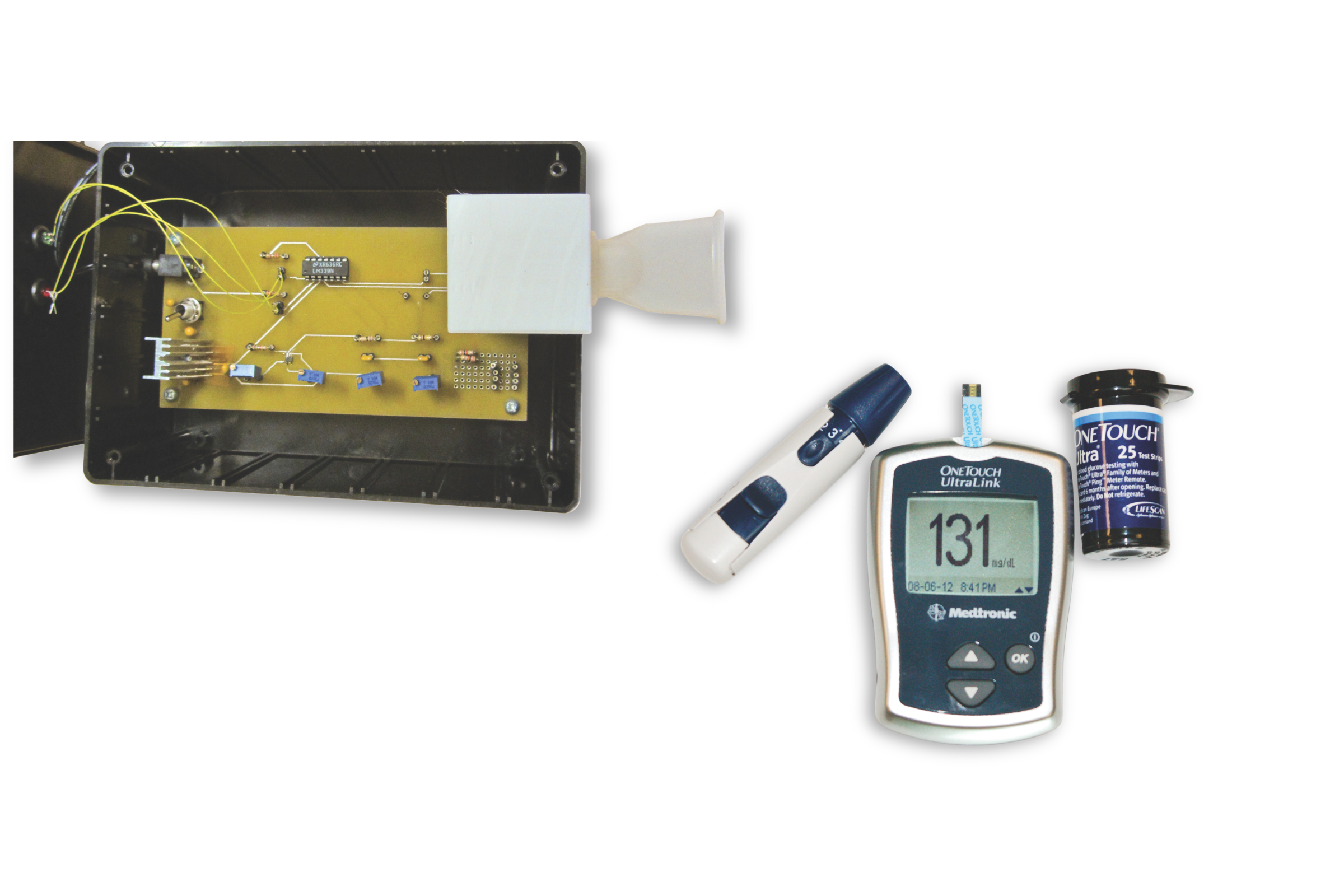
Figure 1 Diabetic patients may one day be able to monitor their glucose levels by blowing into a breathalyzer instead of pricking their fingers. Credit: Left, Gouma, SUNY Stony Brook; Right, Rawson; TPCC)
Breath gases as disease markers
Antiquity’s first known physician, Hippocrates of Cos (460–370 BC), smelled his patients’ breath to diagnose disease and recommend the appropriate remedy (Figure 2).1 Some medical terms coined then survive today, such as “fetor hepaticus,” which describes the sweet, ketone- and ammonia-rich scent that indicates the late stages of liver failure. Yet, breath analysis as a noninvasive means of disease detection is not common practice among physicians nor is it available to the general population. Ceramic sensor nanotechnology and nanomedicine are, however, capable of making breath-based diagnostics the personalized medicine tool of the future.2
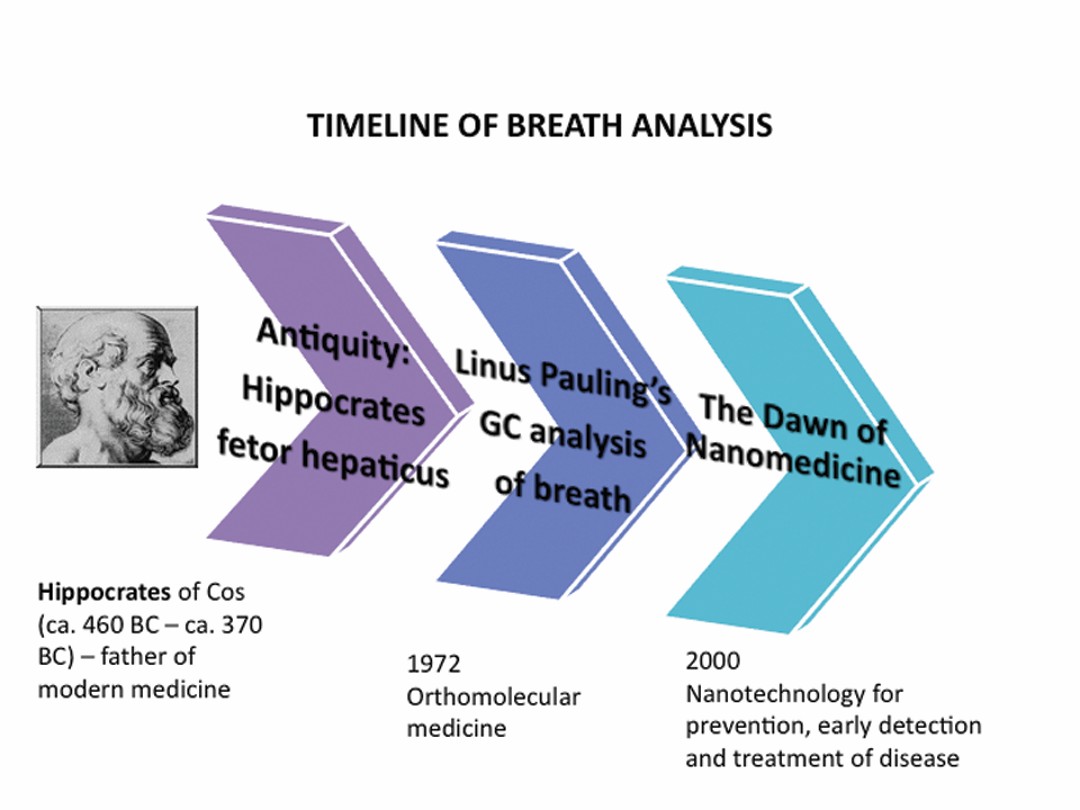
Figure 2 The time has come for breath-analysis-based diagnostic tools. Credit: Gouma, SUNY Stony Brook
Exhaled human breath is a mixture of N2, O2, CO2, H2O, inert gases and hundreds of other trace gases.3–5 The latter include inorganic molecules, such as NO, NH3, CO and volatile organic compounds, such as acetone, ethane and isoprene. Concentrations range from parts-per-billion to parts-per-million. The composition of breath may vary significantly from person to person, qualitatively and quantitatively, particularly with respect to trace-gas concentrations. VOCs are products of core metabolic processes, while inorganic molecules are related to other health conditions and can be indicators of a potential disease, recent exposure to a drug or an environmental pollutant. Therefore, an abnormally high or low measured concentration of certain breath gases, so-called biomarkers, potentially could provide clues for diagnosing corresponding diseases.
The first breath-testing devices appeared in 1784, when Lavoisier detected CO in the exhaled breath of guinea pigs.1 Since then, colorimetric assays and gas chromatography columns have been used to detect VOCs in human breath in quantities varying from millimolar to picomolar concentrations (which translate to ppm and ppb when multiplied by the molecular weight of the analyte of interest).3 The latter gas-sensitivity limit was achieved in 1971 by the famous chemist Linus Pauling’s gas-chromatography-based breath analysis device.6
It appears that about a thousand compounds comprise human breath, but only 30 have been identified so far. Most of them are potential indicators of more than one type of disease. For example, breath VOCs can provide new markers of oxidative stress conditions.7 VOCs in exhaled breath can be used to study the mechanisms of human metabolism fast and efficiently, thus enabling the early identification of diseases that cause oxidative stress, such as asthma or lung cancer. In today’s clinical practice, there are only invasive procedures, such as fiber-optic bronchial biopsies, for lung disease detection.8 However, noninvasive monitoring can assist in differential diagnosis of pulmonary diseases, assessment of disease severity and response to treatment.
NO and its related products NO2– and NO3– are widely studied biomarkers for inflammation and oxidative stress in the lungs.9 Exhaled CO also is a marker for cardiovascular diseases, diabetes, nephritis and bilirubin production.9 Exhaled hydrocarbons of low molecular mass—such as isoprene, which is affected by diet and is a marker for blood cholesterol levels10—also are important biomarkers. Acetone concentration in exhaled breath correlates better with insulin levels in the body than does glucose.11 Therefore, it can be useful to diabetics for controlling their insulin intake. Ammonia and amines may detect H-pylori and renal diseases online and noninvasively. Quantitative medical diagnostics requires simultaneous monitoring of multiple gases because markers are affected differently in different diseases.12
Capturing and analyzing breath
With so many gaseous compounds exhaled in trace concentrations with each breath, sampling issues become predominant. So, what does it take to capture and analyze breath? Obviously, a breathalyzer.13
Breathalyzers bring to mind the breath alcohol content detectors used by law enforcement officers to screen drunk drivers for breath alcohol level. The most inexpensive of these devices sells for about $20. They are small (handheld) and easy to use (Figure 3).14 They use a semiconducting metal oxide—typically nonselective SnO2-based resistive gas sensor technology—which keeps the cost low. What would it take to produce similar devices to detect disease or metabolic malfunction markers? What are the technological limitations to diagnostic breath analyzers?
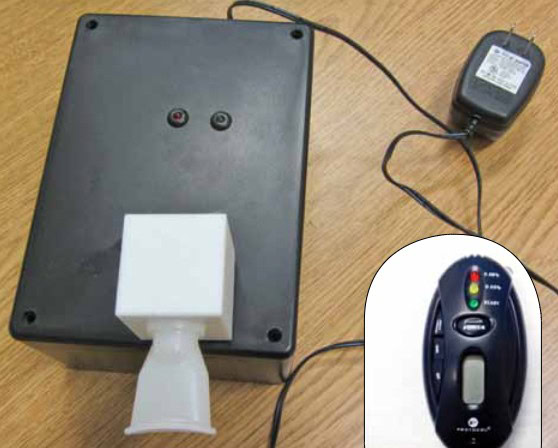
Figure 3 Prototype of an acetone breathalyzer for monitoring diabetes and diet control. The circuitry of the “black box” is shown in Figure 1. Inset: A keyring version of a commercial alcohol breathalyzer shows the potential for affordable, portable diagnostics tools. Credit: Gouma, SUNY Stony Brook
To date, only a few types of human breath tests have been applied successfully in clinical diagnosis. In 2003, the Food and Drug Administration cleared the first noninvasive test system based on chemiluminescence analyzers—the NIOX Nitric Oxide Test System,15 by Aerocrine AB (Solna, Sweden)—to measure the NO levels in exhaled human breath. The system was intended for hospital use because the device, which collects a single-breath sample, has to be connected to a special computer system that performs and displays the results. The Sievers Nitric Oxide Analyzer (NOA 280i) by GE Analytical Instruments16 is another desktop device that measures NO concentrations in exhaled human breath and liquids. It is used mainly as a research tool.
There are some drawbacks to existing breath analysis instruments. They tend to be bulky and costly, may require large sampling volumes (e.g., NO chemiluminescence-based analysis) or may require “unhealthy” receptors to be consumed by the patient prior to testing (e.g., the radioactive-carbon-labeled urea consumed in H-pylori breath testing).17 Although optical detectors have been developed that could monitor the presence of a specific compound (selective ethane detection18), they are too costly to become over-the-counter personalized medical tools.
Detecting one in a billion: Single-crystal nanowires with extreme gas sensitivity
Detecting and discriminating among signaling metabolites—disease markers—in a complex fluid, such as exhaled breath, and measuring them in trace concentrations is not a trivial problem. The trace concentration of important biomarkers requires that a single molecule of the target gas be detected from among a billion exhaled breath gas molecules (Figure 4). This is really “a needle in a haystack problem” and the reason that the lowest detection limit of a gas sensor is very important. Nanotechnology offers a solution to increase the sensor sensitivity without losing selectivity: single-crystal nanowires.
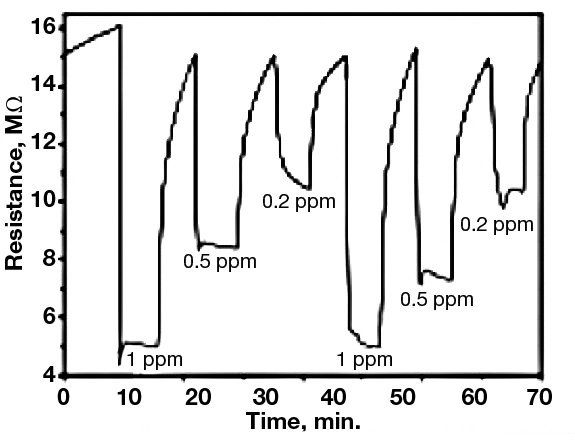
Figure 4. To be effective as a breathalyzer, the functional material must be sensitive, respond quickly and give repeatable results. This plot shows that the response of ε-WO3 nanoparticles to acetone is sensitive enough to detect it in the amounts that it is exhaled in human breath. The response is stable over time (note the constant baseline resistance of about 15 megaohms) and repeatable. The response time is quick, less than 30 seconds. Credit: Gouma, SUNY Stony Brook
Sensor selectivity is defined here as higher sensitivity to a given gas or class of gases in the presence of interfering gaseous species. The key is to control the polymorphic microstructure of nanocrystalline metal oxide and the operating temperature of the sensor so as to use polymorph phases that are sensitive only to a specific class of analytes or to a specific single species.19,20
Our group has developed a novel, single-step approach to synthesize single-crystal, one-dimensional nanowires of binary metal oxide.21 A noncatalytic, bottom-up electrospinning process is used to produce nanofibrous mats of polymer–oxide composite.22 The as-spun mats are calcined, which converts them to pure oxide nanowires with no trace of residual organic material (Figure 5). The nanowires are continuous, extremely high-aspect-ratio single crystals, with nanoscale diameters and lengths ranging from millimeters to meters. (The mechanism that allows nanofibers to grow with this morphology and structure is an item for ongoing investigation.) It is this single-crystal, extremely high-aspect-ratio structure and morphology that enable the detection of trace gas concentrations.
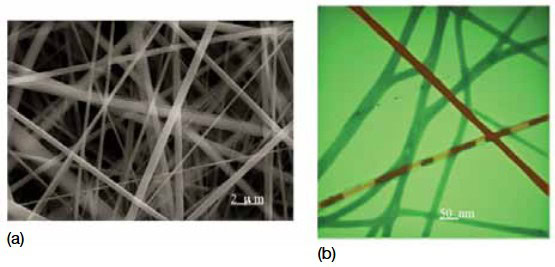
Figure 5. Electrospinning produces nanofibrous mats of polymer–oxide composite (a), which are converted to pure oxide nanowires (b) by calcining. Credit: Gouma, SUNY Stony Brook.
Examples of such materials are α-MoO3, which is selective for NH3 (Figure 6), and ε-WO3, which is selective for acetone (Figure 4). The sensitivity of nanowire mats of α-MoO3 to NH3 is orders of magnitude greater than that achieved by a thin, polycrystalline film of equiaxed nanoparticles of the same diameter as the nanowires,21 thus validating the proof of concept.
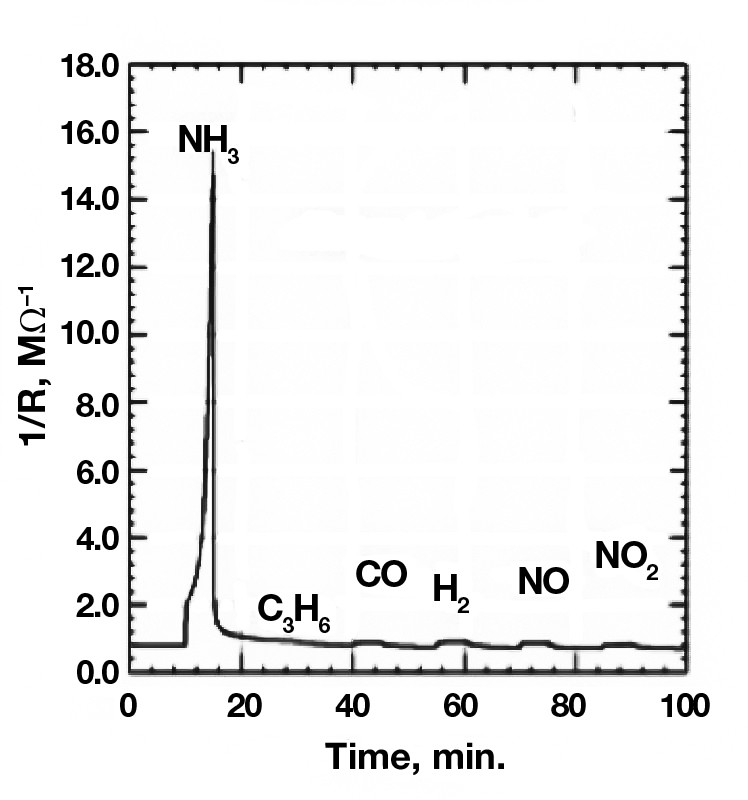
Figure 6 Response of an NH3 selective sensor based on nanostructured α-MoO3 to 500 ppm gas pulses. The sensor detects ammonia down to 50 parts per billion, which makes it suitable for breath NH3 detection. Carrier gas is 10 percent O2, balance N2. Credit: Gouma, SUNY Stony Brook
Our group built prototype single-gas sensors for NO,23 NH324 and acetone.25 These prototypes demonstrate a feasible and affordable solution to this problem that results from the selective gas detection offered by binary metal oxide with controlled polymorphic structure. (The concept was extended to the detection of multiple biomarkers by sensor arrays through temperature control of a simple metal oxide thin-film-based gas-sensing element.26)
Nanoceramic sensors
Ceramic gas sensor technology has been used widely since Taguchi3 devised the first commercial resistive sensor in 1968. These types of chemosensors have progressed considerably, primarily because of their low cost. Metal oxide-based ceramics are used as CO detectors, oxygen sensors and alcohol breathalyzers. Resistive chemosensing is based on the property whereby the electrical resistance of the metal oxide changes because of an interaction (adsorption of, reaction with, etc.) with a gaseous chemical. The magnitude of the change correlates to the relative concentration of the target analyte.
Because these sensing materials (SnO2, TiO2, WO3) are semiconducting, the sensing action mostly occurs at elevated temperatures, typically between 100°C and 400°C (Figure 7). Depending on whether the semiconducting metal oxide is n-type or p-type and whether the gas detected is oxidizing or reducing, the electrical resistance of the sensor may increase or decrease with respect to its value in air in the absence of the gas, that is, its baseline resistance. Although this description of resistive chemosensors typically accounts for nonselective gas detection, gas–oxide interactions are not as random as might be inferred from this explanation.
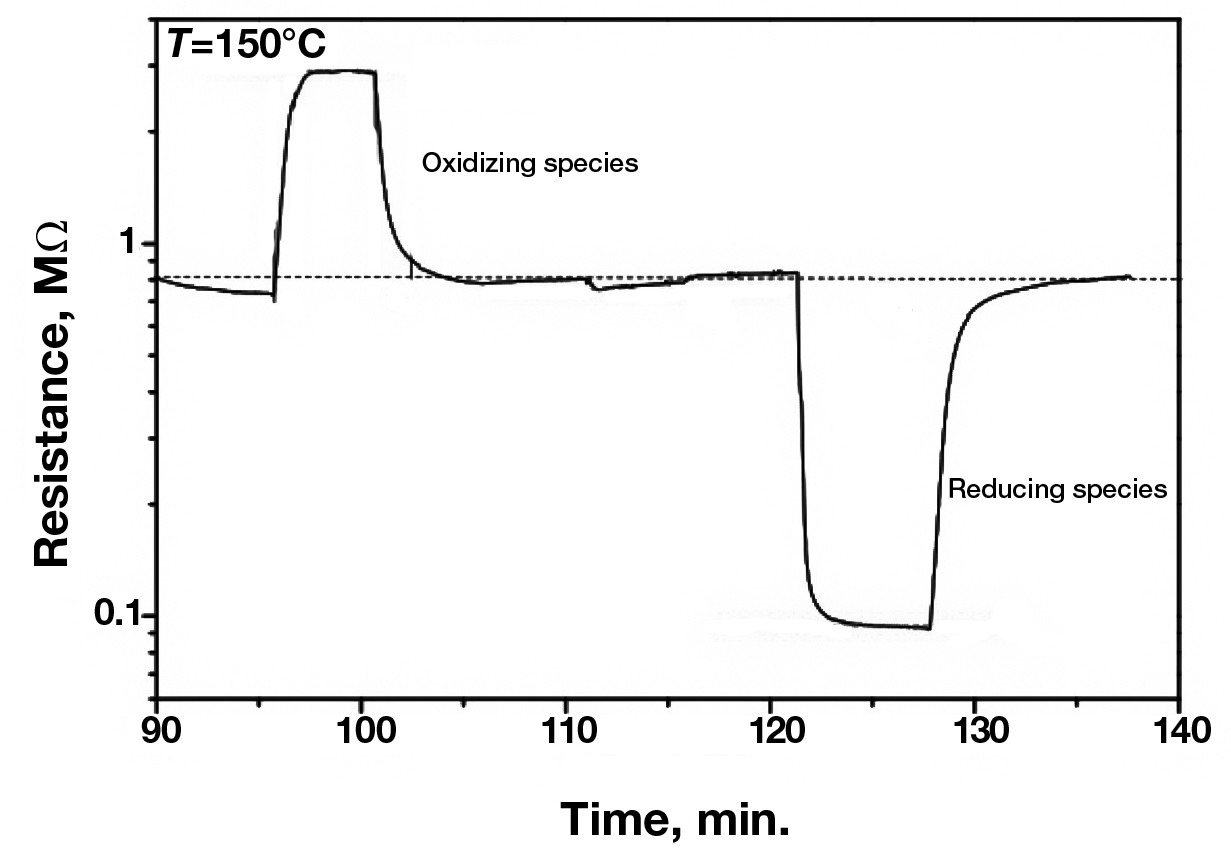
Figure 7. Principle of resistive chemosensing for a n-type metal oxide. The resistance changes in the presence of chemical species. In this case, the left side shows the response to an oxidizing gas and the right shows the response of the sensor to a reducing gas. However, sensors can be made such that they are selective for specific species by controlling the crystal structure of the metal oxide. (Credit: Gouma, SUNY Stony Brook)
A crystallochemical approach has led to the discovery and development of chemosensing metal oxides.4,5 Our group gained insights from the field of heterogeneous catalysis, where metal oxide catalysts are responsible for selective oxidation or selective reduction processes involving gaseous chemicals. We also gained a better understanding of the importance of the crystal structure of a metal oxide sensor and the atom arrangements on the surfaces exposed to the gas in achieving gas selectivity and specificity.
We recognize that the polymorphic nature of metal oxides effectively allows a single binary oxide to be present as many different materials of identical composition, but with distinct properties. Therefore, we can take advantage of a “toolbox” of novel sensor materials. Finally, the spectrum of the oxide polymorphs available for use in selective chemosensing is expanded by the availability of nanoscale synthesis methods (such as sol–gel chemistry) and nanomanufacturing processes (such as flame spray pyrolysis and electrospinning).
Gas selection maps
We obtained the first evidence of selective gas sensing by a metal oxide during previous attempts in our lab to develop an NH3 sensor for detecting urea in a selective catalytic reduction system (Figure 6). The α-phase of MoO3 showed a strong affinity for NH3 that was not expected based on what was published before in the literature for this oxide system. Several publications27–29 have discussed the nature of NH3 selectivity of the orthorhombic polymorph of MoO3.
Previous researchers did not address the structural characteristics of their MoO3-based sensors. For example, when only the monoclinic β-MoO3 is used for gas sensing, it shows no sensitivity to NH3. However, it is very selective for NO. Unfortunately, a mixture of α-MoO3 and β-MoO3 is selective for neither NH3 nor NO.
The relative phase content is a function of how the materials are synthesized. The operating temperature of the sensor explains the discrepancy among published reports in the literature as well as the prevalent notion that metal oxide gas sensors have overlapping selectivities with respect to their gas response. The reality is that even a stoichiometric oxide of the simplest composition is not a simple material but rather it may behave similar to a composite.
In our research, we produced semi-empirical maps relating common structures of metal oxides (as opposed to their compositions) to their affinity for specific chemicals or classes of chemicals (Figure 8). For example, all stoichiometric cubic-REO3 structures, such as β-MoO3 and γ-WO3, are expected to show specificity for oxidizing gases, such as NO. Based on this principle, we prepared and evaluated selective NO nanosensors, that could be effective for asthma detection by breath analysis.23
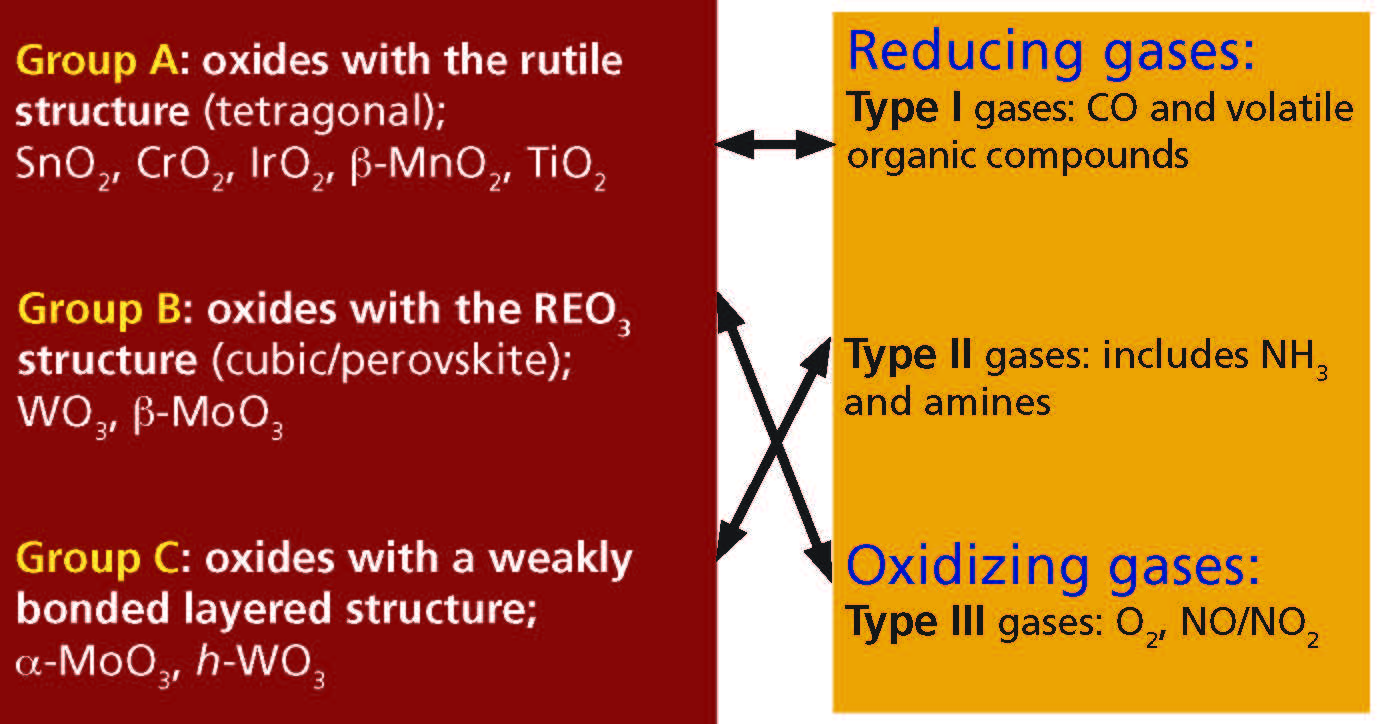
Figure 8 Semiempirical gas–oxide selection map. Note that the polymorph of a compound determines whether it is a Group A, B or C sensor. Credit: Gouma, SUNY Stony Brook
Relative stability of polymorphic nanostructures
Nanotechnology enables the presence of thermodynamically metastable or unstable ceramic oxide phases at room temperature and above. The anatase phase of titania is a prominent example.30–33 Rutile is the stable form of titania, and the other polymorphs (anatase, brookite, etc.) are metastable. Anatase formation is favored over rutile in nanostructured titania.†
Anatase converts to rutile at temperatures between 400°C and 1,200°C. The onset temperature and the rate of this polymorphic reaction depend on various parameters, such as grain size, impurities and processing. A decrease in the average particle/grain size of anatase from a coarse crystal to a fine nanocrystal can shift the onset of the reaction to temperatures closer to the gas sensor operating temperatures. Therefore, the issue of relative stability of anatase and rutile phases is of major concern for sensing applications using nanocrystalline titania systems.
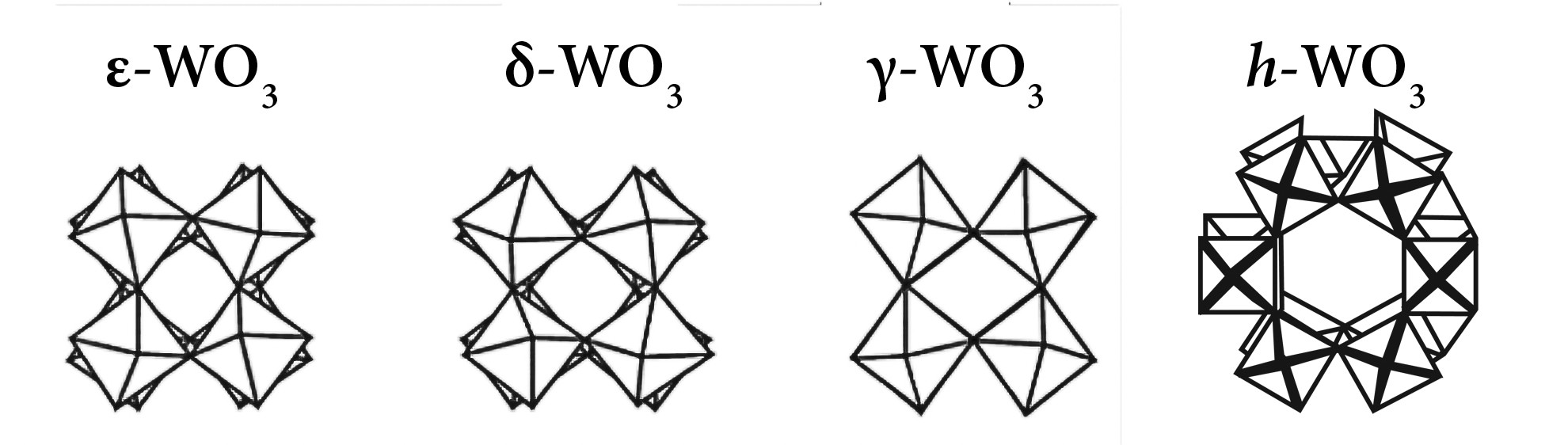
Figure 9 Nanoscale synthesis methods of metal oxides make metastable phases readily available for use in gas sensing. The h-WO3 polymorph has a very open structure, which allows small molecules to travel through it. Credit: Gouma, SUNY Stony Brook
WO3 exists as various polymorphs (Figure 9). Nearly all of them are based on WO6 octahedron units. In this unit, one tungsten atom and its six neighboring oxygen atoms form a near-perfect regular octahedron. Tungsten is located in the center, and oxygen atoms are located in the corners. There are at least seven known polymorphic transformations between 0 K and 1,220 K.34
h-WO3 is a metastable layered-type hexagonal structure of WO3. Figlarz’s group35 reported on the synthesis of this polymorph by the dehydration of a tungsten hydrate compound (WO3·1/3H2O). Its structure is composed of WO6 octahedral units arranged in layers normal to the hexagonal c-axis, forming hexagonal tunnel structures. The h-WO3 polymorph attracted attention as an electrochromic material,36 suggesting that it might be possible to produce sensors that change color in the presence of reducing gases. Because oxides with open structures present an ideal configuration for guest–host reactions, we expected h-WO3 to show enhanced sensing properties. Tests using h-WO3 nanopowders confirm that this is the case.37 Furthermore, in recent work,38 for the first time, we synthesized h-WO3 nanowires without catalyst addition.
Acknowledgments
The author thanks Lynette Madsen, manager of the NSF Ceramics Program. This work has been supported by NSF Grants DMR-1106168, DMR-0304169 and DMR-0224642. This article represents the collective effort of the author’s research group during the past 10 years, and particular recognition goes to Arun Prasad, Mallikarjun Karadge, Krithika Kalyanasundaram, Aisha Bishop and Lisheng Wang. Our breath gas-sensing devices became breathalyzers thanks to the expertise of Milutin Stanacevic of ECE at SUNY Stony Brook.
†The implications of ”stabilizing” anatase are reflected in the multibillion-dollar industry developed around anatase-rutile composite nanocatalysts (e.g., Degussa P25).
Summary
New breath analysis tools based on metastable metal oxide polymorphs could change the way diseases are diagnosed and monitored. Pure metal oxide nanowires are fabricated by electrospinning that are able to select for VOCs in the parts-per-billion range that are markers for chronic diseases such as diabetes, renal failure and asthma.
Center for Nanomaterials and Sensor Development
Funding by the Ceramics Program of the National Science Foundation in 2002/2003 helped establish the Center for Nanomaterials and Sensor Development (CNSD) directed by the author, Perena Gouma. The first invention disclosure was submitted on her NH3 sensor technology in January 2002 for biosensing applications, “such as determining urea levels in the body and in monitoring physiological processes related to reactions in bacterial infections.”
Since then, many national and international collaborations with researchers from various disciplines and diverse institutions (including CFN-Brookhaven National Laboratory and Molecular Foundry-LBNL, United States; Sensor Lab-University, Brescia, Italy; Sensor Materials Center-NIMS, Japan; Hungarian Academy of Sciences-Budapest, Hungary; ETH Zurich, Switzerland; and UNICAMP, PUC-Campinas, Brazil) have contributed to augmenting Gouma’s research at the Center on nanoceramics synthesis and characterization.
The Center published a book documenting its activities during the first five years of operation, summarizing its contributions to advancing nanomaterials science and technology and their use in chemical sensing and biotechnology.39
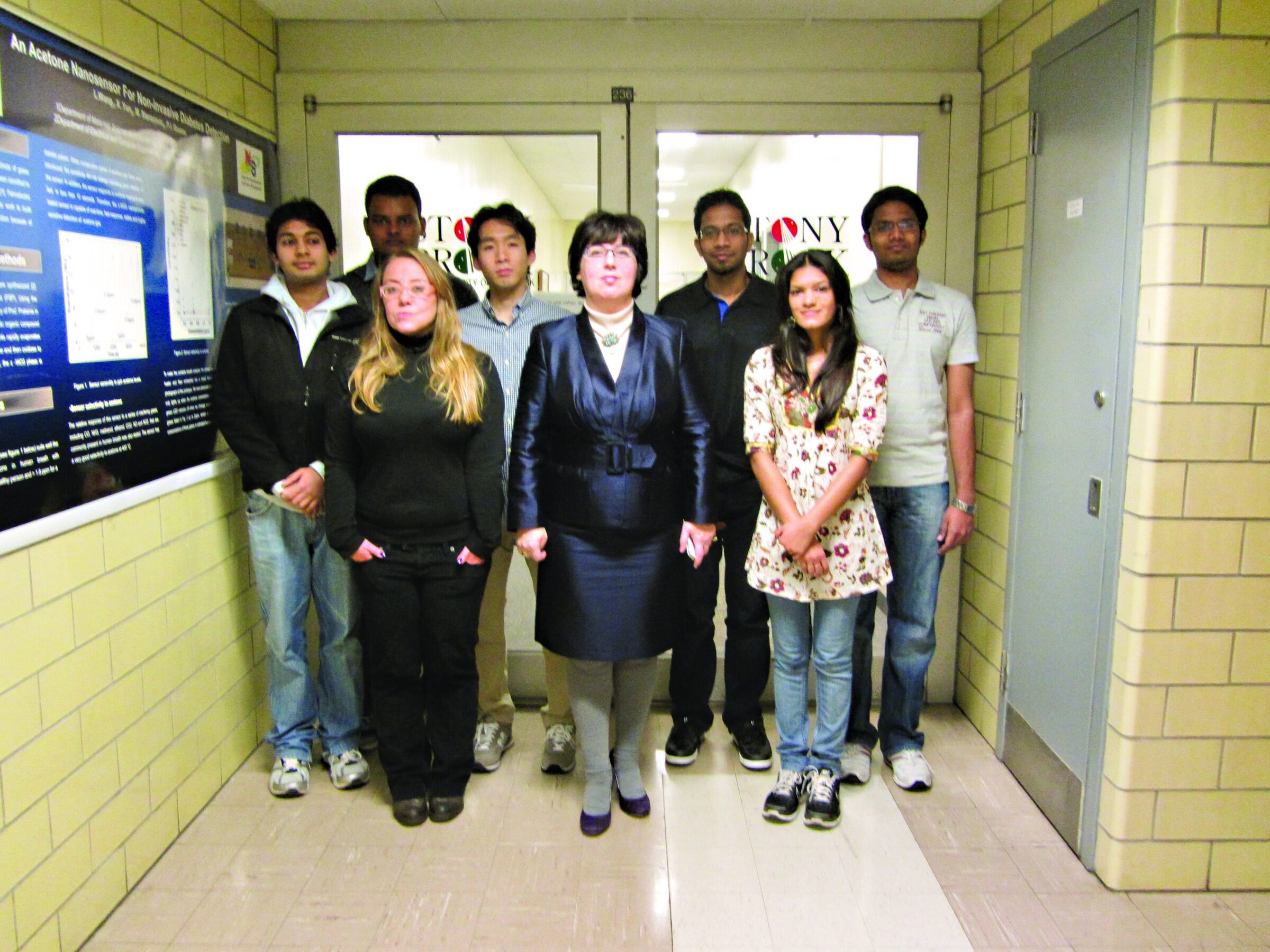
Gouma (center) with the CNSD staff.
Gouma happily reports that several of the nanoceramic technologies developed at CNSD are prototyped (as on/off and as numerical breathalyzers). They are ready for clinical trials to evaluate their usefulness in clinical applications for asthma, H-pylori infection, diabetes (acetone) and blood cholesterol (isoprene) monitoring. Fortunately, the medical field is publishing guidelines for interpreting exhaled gas levels (e.g., American Thoracic Society’s clinical practice guidelines for exhaled NO levels40) and using them to detect diseases, such as asthma.
Current efforts at CNSD focus on lung cancer detectors that efficiently discriminate between alkanes and alkenes as well as aim at providing a database for tailored ceramic nanostructured oxides targeting specific gas detection. Gouma says nanoceramic sensors are likely to be among the first nanomedicine applications to get to the market, which she describes as “a very good thing.”

Related Articles

Market Insights
Digging into the development of uniform global mining standards
Mining standards and regulations have historically varied by region, nation, or locale, making for a patchwork of guidelines and laws for environmental protection, water and emissions management, proper waste disposal, worker rights, and engagement with Indigenous communities. Multinational mining companies, manufacturers, downstream customers, and socially conscious investors have for years…

Market Insights
Rethinking Arctic research: CIFAR report proposes pathways for the Arctic’s future
Although organized, multinational scientific research in the Arctic has taken place since the late 19th century,1 the past two decades have seen a surge in activity alongside the rapid ecosystem changes (Figure 1).2 Yet these scientific studies are increasingly mired in geopolitical tensions and economic interests,3 which means that scientists…

Market Insights
Global markets for lithium and green mining
The electrification and digitization of modern life drive increased demand for certain minerals, but they also drive the need for more environmentally conscious mining practices. Two recent BCC Research reports investigate the global markets for lithium mining and green mining, respectively. This Bulletin content is for ACerS members and registered…