
Novel silicon carbide joining for new generation of accident-tolerant nuclear fuels
The disaster at the Fukushima, Japan, Daiichi nuclear power plant presented a key question to the materials community: “Are there materials innovations that can profoundly improve the safety of existing light-water reactors?” Fortunately, the answer is “yes” on many fronts, but although there are many promising new materials and technologies, there are still many miles of development and implementation testing to travel on the road to regulatory approval of any new reactor technologies.
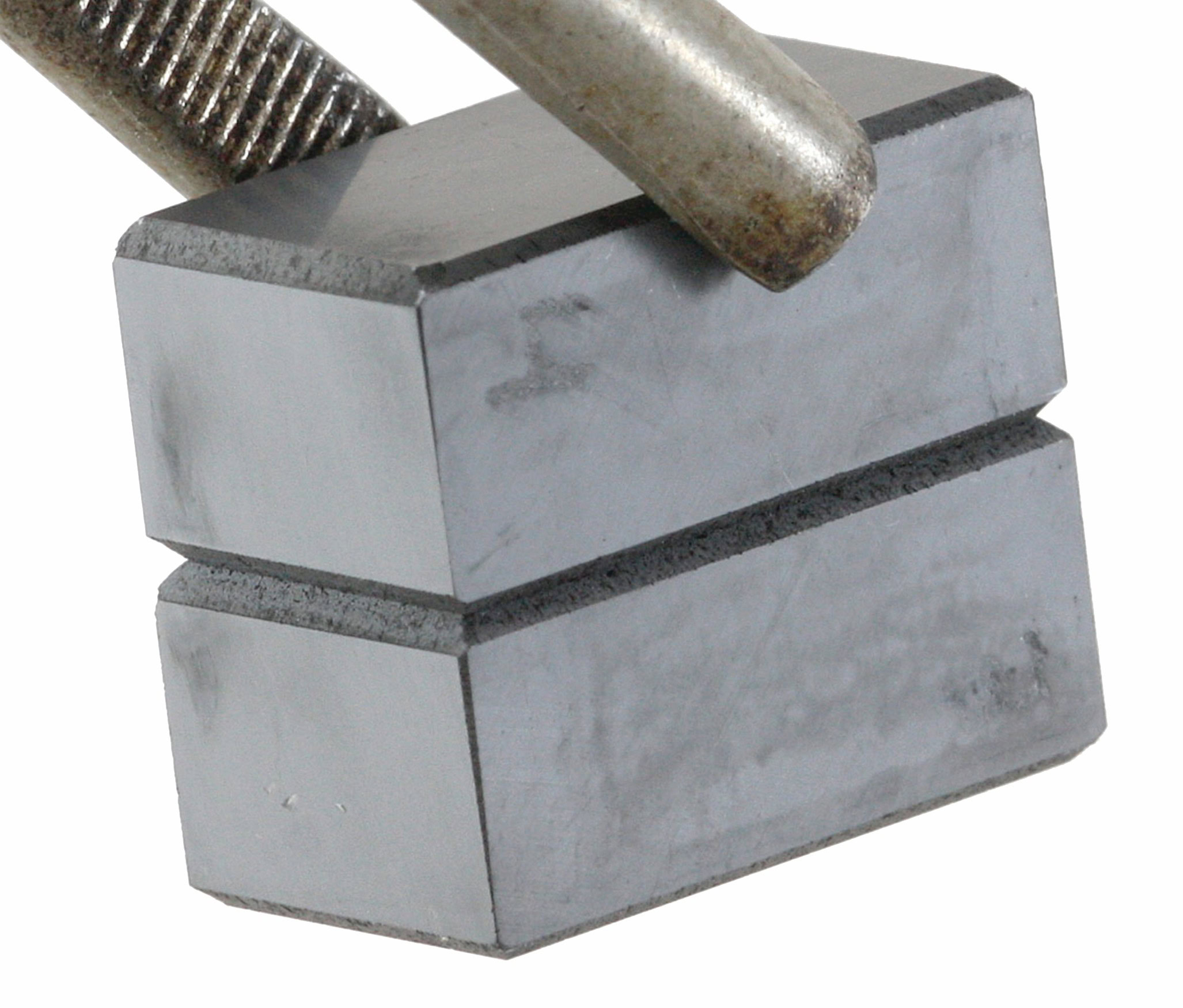
One example is a study of silicon carbide for a promising new approach to fuel rod safety underway at EWI (Columbus, Ohio; formerly known as the Edison Welding Institute). Although the research remains preliminary, at least on the scale of typical regulator hurdles and industry acceptance, the facility’s work on SiC reactor fuel rod applications has shown positive results, including an evaluation after six months of exposure of an experimental assembly in a test reactor.