
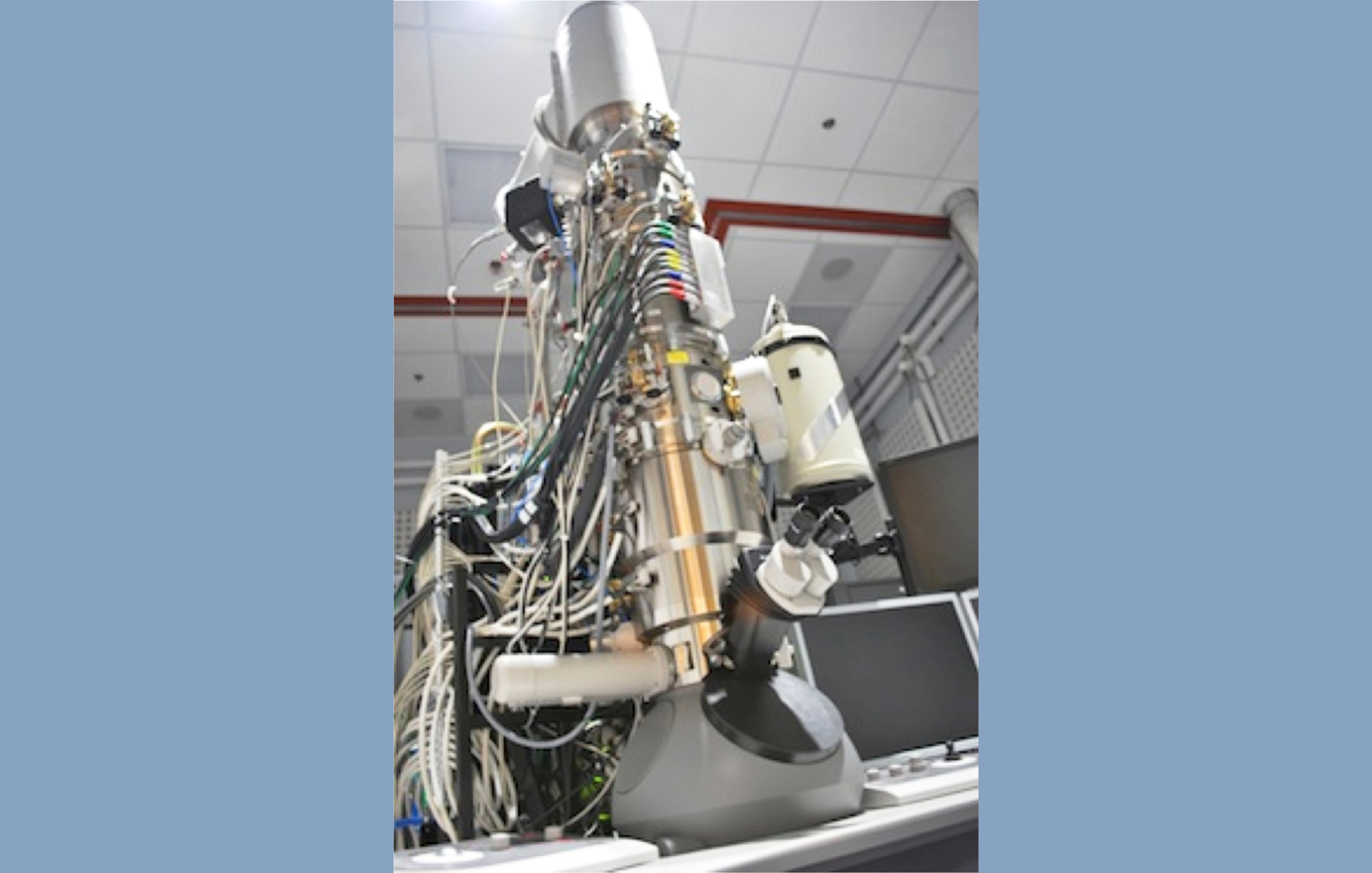
Introducing the new class of National Science Foundation CAREER awards provides an opportunity to shine light on the CAREER program and its role in developing young faculty to become excellent teachers, scholars, and leaders in their fields of research. This annual article introduces these emerging leaders and presents the relevance of their research to the ceramic and glass community. Previous article highlights include
- 2009: Historical perspective and overview of the CAREER program;1
- 2010: CAREER Workshop Series has experts provide feedback to CAREER awardees on their progress;2
- 2011: Career-Life Balance initiative at NSF;3
- 2012: Statistical and geographic details about CAREER awardees in the Ceramics Program;4 and
- 2013: Supplements to grants.5
This year’s article highlights personal perspectives from the newest awardees and provides some “food-for-thought” for new assistant professors.
2014 awardees
The NSF Ceramics Program made two CAREER awards in 2014—to principal investigators Corinne Packard at Colorado School of Mines and James LeBeau at North Carolina State University. The Ceramics Program also cofunded one award to Roman Engel-Herbert at Pennsylvania State University (“Tuning electronic phases in layered complex oxides”), managed by the Electronic and Photonic Materials Program.
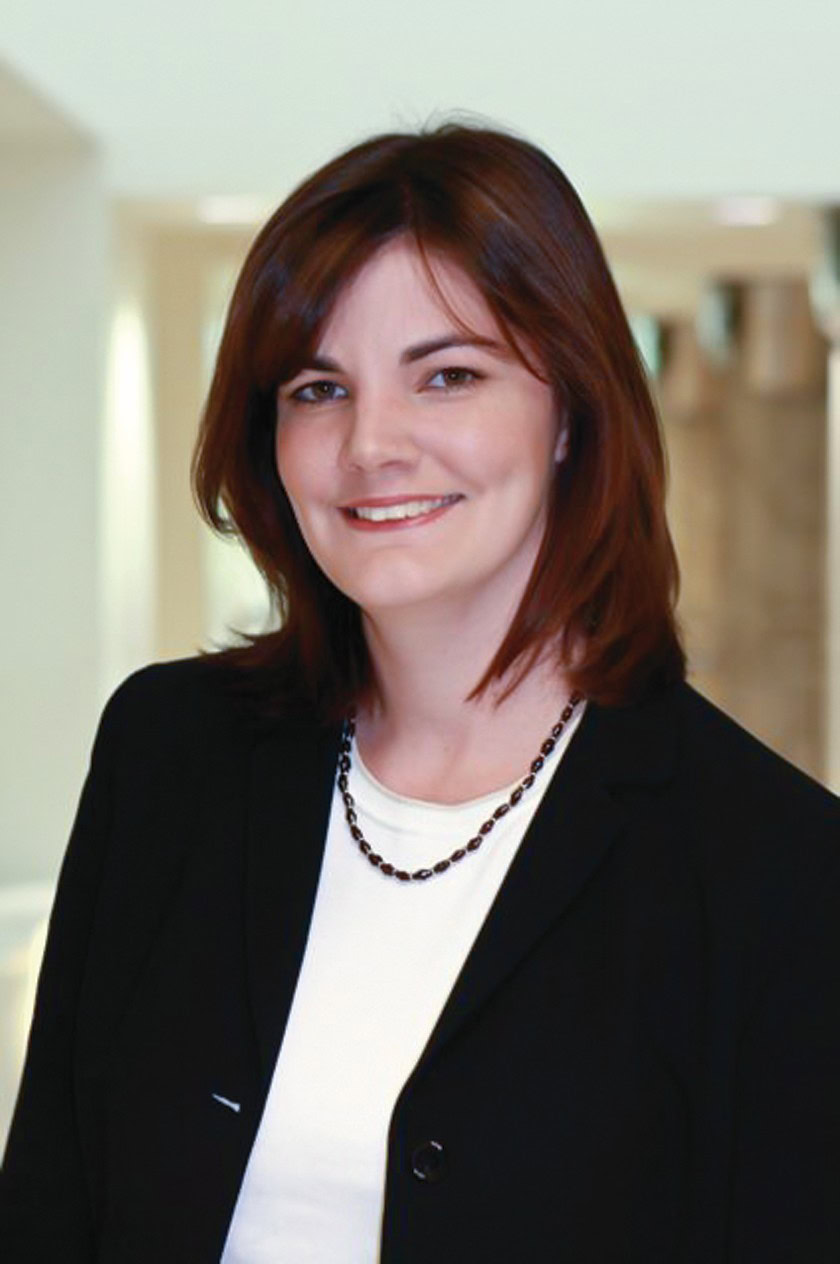
Corinne Packard Credit: Colorado School of Mines
Controlling phase transformation kinetics in metastable materials
CAREER: Controlling pressure-induced transformation in rare-earth orthophosphates (Award Number: 1352499; Packard)
Cracks—sudden and slow-growing ones—in high-temperature ceramic components, such as combusters, nozzles, and thermal insulation in aircraft engines, turbines, and rockets, can lead to catastrophic failure. Some ceramics undergo a change in their shape and volume owing to a new crystal structure when they are deformed, which can be harnessed to impart increased toughness in a material by absorbing energy caused by an impact or propagating crack. This project investigates the influence of chemistry, grain size, temperature, and stress state on pressure-induced phase transformation kinetics in rare-earth orthophosphate ceramics (REPO4 crystal structure).
Phase transformations in these materials are examined using a range of techniques that include high-temperature nanoindentation, transmission electron microscopy, and diamond anvil cell (combined with Raman spectroscopy). This work addresses a grand challenge of the field to understand the factors controlling phase transformation kinetics that can lead directly to new ways to process metastable materials with enhanced functionality. One goal is to enable precise control over the trigger for plasticity transformation in coatings for improved ceramic-matrix composites (CMCs). The influence of kinetic effects on the transformation onset pressure and degree of reversibility are being identified. Insights gained through this research are aiding the science-based design of ceramic composites, components, and devices in which pressure-induced transformation must be triggered with precise timing for maximal effect.
This project will help strengthen United States innovation and economic competitiveness in the area of turbine engines and in education. Education-wise, undergraduate and graduate students are being trained and mentored in materials science and engineering. This project also is developing science learning modules for local elementary school teachers from minority-rich school districts and the Rocky Mountain Camp for the Dyslexic. These complementary education and outreach components broaden the participation of underrepresented groups in science and engineering in an effort to meet the national need for expanding the highly qualified science and technology workforce.
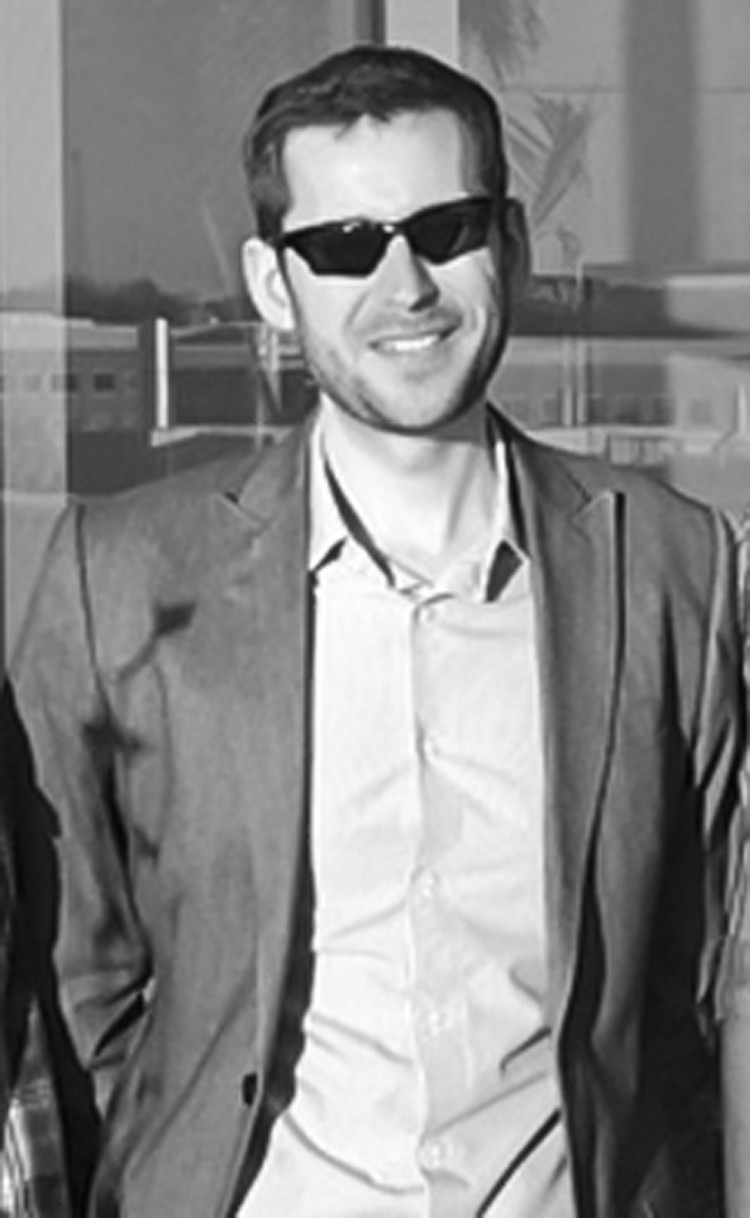
James LeBeau Credit: NCSU
Understanding interface charge compensation in electroceramics
CAREER: Understanding polar surfaces and interfaces using ultra-high-resolution electron microscopy and spectroscopy (Award Number: 1350273; LeBeau)
This integrated research and education effort stands to advance the understanding of material interfaces essential to enable next-generation electronics. This CAREER award addresses the fundamental nature of structural and electronic reconstructions at the interface between distinctly different polar materials and their surfaces. In particular, rock salt oxides are combined with wurtzite nitrides to examine the charge compensation mechanisms at heterogeneous polar interfaces.
The influence of strain and defects on the electronic and atomic structures at the interface is being studied with state-of-the-art electron microscopy tools. The results guide and validate modeling from ab-initio calculations that lead to transformational understanding of unique behaviors. Moreover, in-situ electron microscopy is used to study the stability and structure of rock salt oxides to provide critical input relevant to growth, integration, and control of this class of materials. Simultaneously, electron microscopy capabilities are being developed to fully extract the detailed atomic or electronic structure and chemistry at polar interfaces. This project will increase U.S. innovation and economic competitiveness in electroceramics and through advances in characterization techniques.
The project couples to several targeted educational programs. Undergraduate students contribute directly to the project by building computer programs that facilitate new approaches to microscopy education. Moreover, because traditional approaches to recruit new students into science have been met with mixed success, the centerpiece of the educational outreach program is to stimulate interest in science through a combination of microscopy with visual arts. Working with local museums and schools and the NSF Nanoscale Informational Science Education network, the program has initiated an exhibit that communicates advanced electron microscopy and materials science research through the universal medium of art, highlighting the inherent beauty of atomic structure symmetries.
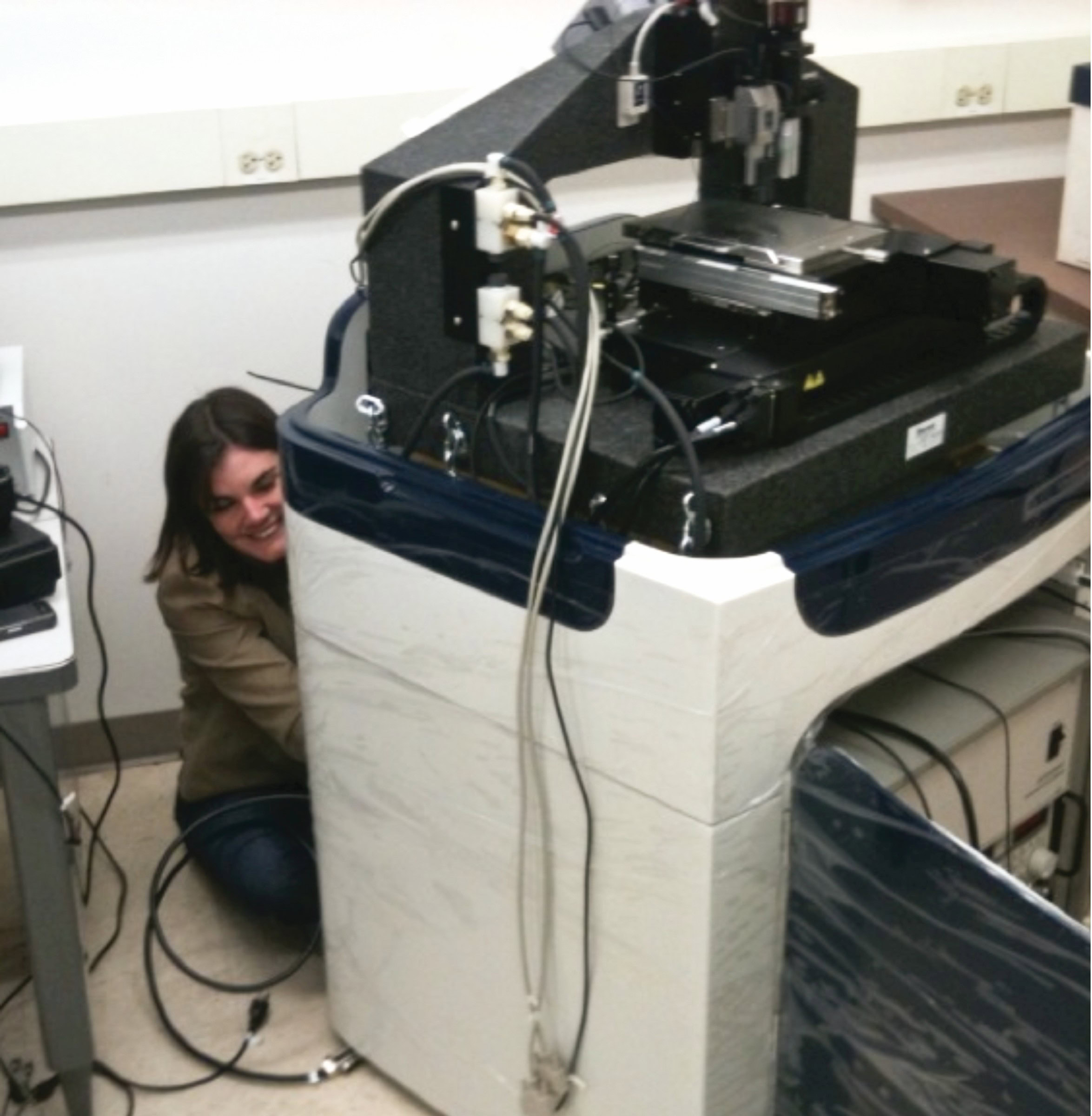
Packard makes an adjustment to the laboratory nanoindenter. Credit: Packard
Q&A
Assuming your research is wildly successful across the five years of your CAREER award, what could be its single biggest impact in terms of science or engineering?
Packard: The key scientific breakthrough I expect is to gain control over the phase transformation in REPO4 materials. This knowledge would allow the design of composites that will trigger performance-enhancing transformation at precisely the right time and under the correct conditions to avoid catastrophic failure of CMCs. This breakthrough would provide insight into how transformations can be controlled through manipulation of chemistry, structure, and stress state and may improve nanocrystalline ceramic processing, phase change memory, and toughened ceramic composites.
LeBeau: The single biggest breakthrough may be in the discovery of new interface phenomena. For example, superconductivity has been discovered at the interface between two otherwise insulating oxides. New opportunities are just on the horizon for oxide–nitride interfaces now that serious growth challenges have been overcome. Through understanding provided by atomic resolution electron microscopy, oxide–nitride polar interfaces could significantly accelerate future electronic device development.
What do you see as the impact of your work for industry?
Packard: Trainees will gain expertise in ceramic synthesis, mechanical testing, and in-situ electro/optical characterization, which will prepare them for careers in R&D laboratories in aerospace, nuclear and renewable energy, and automobile industries. Through my outreach involvement, I also expect a trickle-down effect to increase the supply of trained scientists and engineers by encouraging local middle school students to pursue careers in STEM fields through my laboratory’s involvement in a teacher training program and the Rocky Mountain Camp for Dyslexic Children.
LeBeau: Electron microscopy skills enable students to conduct research in almost any area of materials science, because the technique is broadly applicable and essential to understand atomic-scale phenomena. Relatively few graduates have had the opportunity to conduct atomic and electronic structural studies with aberration-corrected electron microscopy, and thus the students of this project will be strongly sought after for their expertise.
Apart from the science or engineering, what aspect of your CAREER award do you envision having the largest broader effect and why?
Packard: Involvement in the Rocky Mountain Camp for Dyslexic Children provides the greatest opportunity for transformative impact. Children with dyslexia often struggle with writing and reading and thus perform poorly in school, but their propensity for hands-on problem solving and 3D spatial reasoning is extremely valuable for science and engineering problems. Early intervention and exposure to science and engineering can set these children up to succeed. My group will design experiments and science modules for the camp that focus on understanding scientific concepts and the scientific method through tactile activities and group work.
LeBeau: In addition to graduating the next generation of electron microscopists, my CAREER award is tightly coupled to a unique and engaging educational outreach project using atomic resolution microscopy as art. Working with the North Carolina Museum of Life and Science, the project will install an exhibit of atomic resolution art that will focus on the work conducted as part of the award. By presenting the inherent beauty of atomic structure, the project aims to capture the attention of a general audience that may otherwise overlook the science, while still communicating importance advances in our ability to characterize and understand materials.
How do you expect this award to affect your career?
Packard: This award is unique in that it will allow me to focus on a fundamental scientific problem over a longer period than a typical grant. The time scale will allow me to fully investigate the intricacies and anomalies that we might discover to gain a deep, thorough understanding that will propel future research directions and applied research. When I found out that I’d be receiving the CAREER award, it took a few days to absorb the news—but it has profoundly impacted the way I think about pursuing projects. I now focus on identifying scientific problems I want to solve and that will have lasting value for the scientific community and industry, rather than chasing funding opportunities where I might propose a few experiments that have limited promise as long-term research directions.
LeBeau: Receiving this award is a tremendous step toward establishing the foundation for my academic career. The duration of the award will enable my group to focus on an important, rapidly advancing field of materials science and to develop new expertise that will last a lifetime. The graduates from this program will go on to make impacts across materials science with the skills they learn. Further, the award’s broader impacts will enable my program to remain well-rounded and enable new opportunities to reach out to those outside the academic sphere. Overall, my future successes will in large part be the direct result of the CAREER award.
Do you plan on any requesting supplemental support? If yes, can you share one idea?
Packard: I applied for and received a Career Life Balance supplement to my award. This relatively new program is an amazing opportunity to support early career scientists in maintaining research productivity when life circumstances and career responsibilities collide. This supplement will provide advanced training to my personnel, who will accelerate project progress in my award’s first year and set me up for continued success through the remainder of the award.
LeBeau: Yes, I plan on applying to the Alliances for Graduate Education and the Professoriate-Graduate Research Supplements (AGEP-GRS) program. This supplemental support provides the distinct advantage to expand my research program to further broaden participation of underrepresented minorities in science. Paired with the atomic resolution microscopy as art initiative, the CAREER program will significantly help attract a wide cross section of students that may have otherwise overlooked (materials) science.
What advice do you have for future applicants of the CAREER program?
Packard: I have two top pieces of advice for future applicants. First, contact potential program directors about your proposed research as soon as you identify the basics of your investigation. You may have a different understanding of the content of a particular program’s research portfolio than the program director does! I’ve found NSF program directors to be quick, responsive, and direct about the fitness of proposed research. An email with a proposal summary or a short phone call can save you months of time compared with developing a proposal that can’t find a home. Second, play it smart, but don’t play it safe. You must be able to justify your hypotheses, but definitely propose work that goes far beyond what you know will work. Reviewers want to see you utilize your existing strengths, but stretch your capabilities to develop skills that will further develop your career.
LeBeau: My main advice would be to not write a CAREER proposal your first year—instead, develop your ideas and fully flesh them out. Along these lines, it is important to always remember that this award is a combination of science and broader impact, where both must be balanced in the proposal. It also is important to seek advice from colleagues and program directors early on (months before submission, not weeks), while you can still integrate their feedback into the proposal.
More advice on writing a CAREER proposal
Most program directors at NSF agree with LeBeau’s advice—spend at least a few months or a semester on campus before writing your first CAREER proposal. It is difficult to write the broader impacts without on-campus experience. At present, NSF rules allow principal investigators to apply only three times—every attempt should be a solid one. Other factors that might influence the timing of your CAREER proposal include the number of times you have applied before, how many years you have left to apply (before being promoted to associate professor), whether you can put together a proposal that is different from your currently funded (or soon to be funded) research, whether your laboratory is set up for independent research, and whether you have the time to write a great proposal (are there other priorities, in terms of publishing, teaching a new course, family, etc., competing for your time?). If you have federal funding, also consider whether you can show publication progress from current or past awards.
It is a good idea to find the right program at the start by contacting NSF well in advance of your first submission. In that regard, it is better to contact a few program directors at once, rather than sending separate inquiries. NSF staff then can more easily work together to provide you with the best response. If you do not succeed with your first proposal, contact the program director if you need advice for your revision. It likely is best to stick with the same program for your next submission if your topic remains the same. (If you have doubt about the program, check with the program director who handled your first submission.) Packard makes a good point about being unadventurous—ensure you convey the transformative aspects of your ideas. Keep in mind that there are many and varied opinions about what to write and when. One size does not fit all—ultimately it is a personal decision about your career.

Related Articles

Market Insights
Next-gen superconducting ceramics could change how we travel and much more
Forty years ago, two physicists from IBM’s research laboratory in Zürich, Switzerland, reported a groundbreaking discovery: Superconductivity, or the quantum mechanical phenomenon in which certain materials exhibit zero electrical resistance when cooled, could be achieved at higher temperatures using ceramics. Superconductivity had been discovered decades before, but its applications had…

Market Insights
Why most AI manufacturing projects fail and how to fix it
Artificial intelligence is reshaping advanced manufacturing, especially processes involving ceramics, glasses, and other hard or brittle materials. But adopting AI is far more difficult than simply buying software and connecting machines. Manufacturers must understand the advantages and limitations of different models, so they can determine where AI fits best within…

Bulletin Features
Radiation effects on rare earth chemistry in molten salts for nuclear applications
Across the nuclear energy sector, molten salts are shaping the next generation of nuclear technologies, from advanced power reactors to used nuclear fuel recycling. In molten salt reactors (MSRs), molten salts uniquely serve as both the primary coolant and fuel medium, a dual role that sets MSRs apart from conventional…