
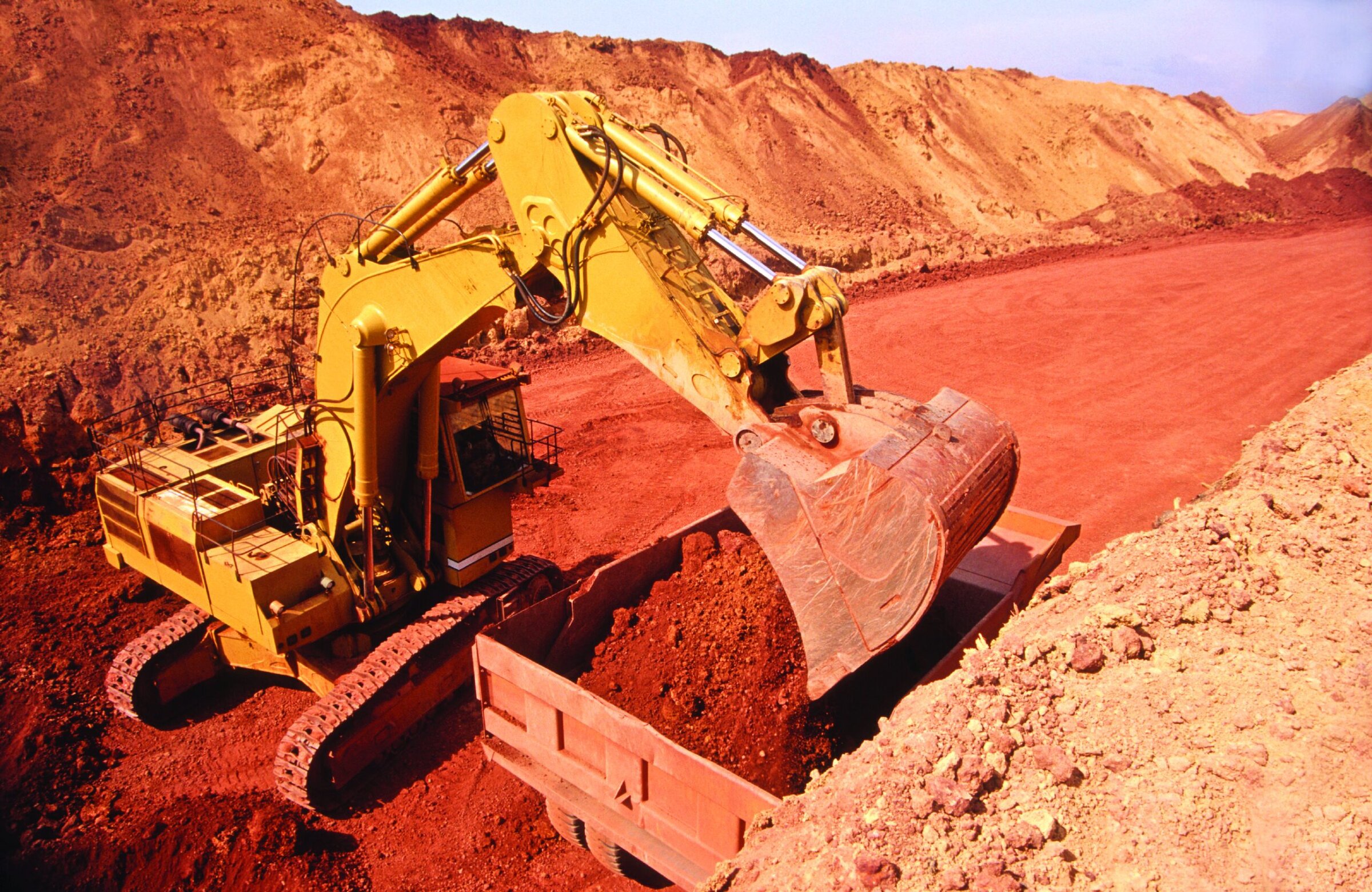
All products begin their physical lives as raw materials, and those are finite resources. Similar to carbon-based energy sources, minerals do not regenerate—at least not in an appreciable time frame.
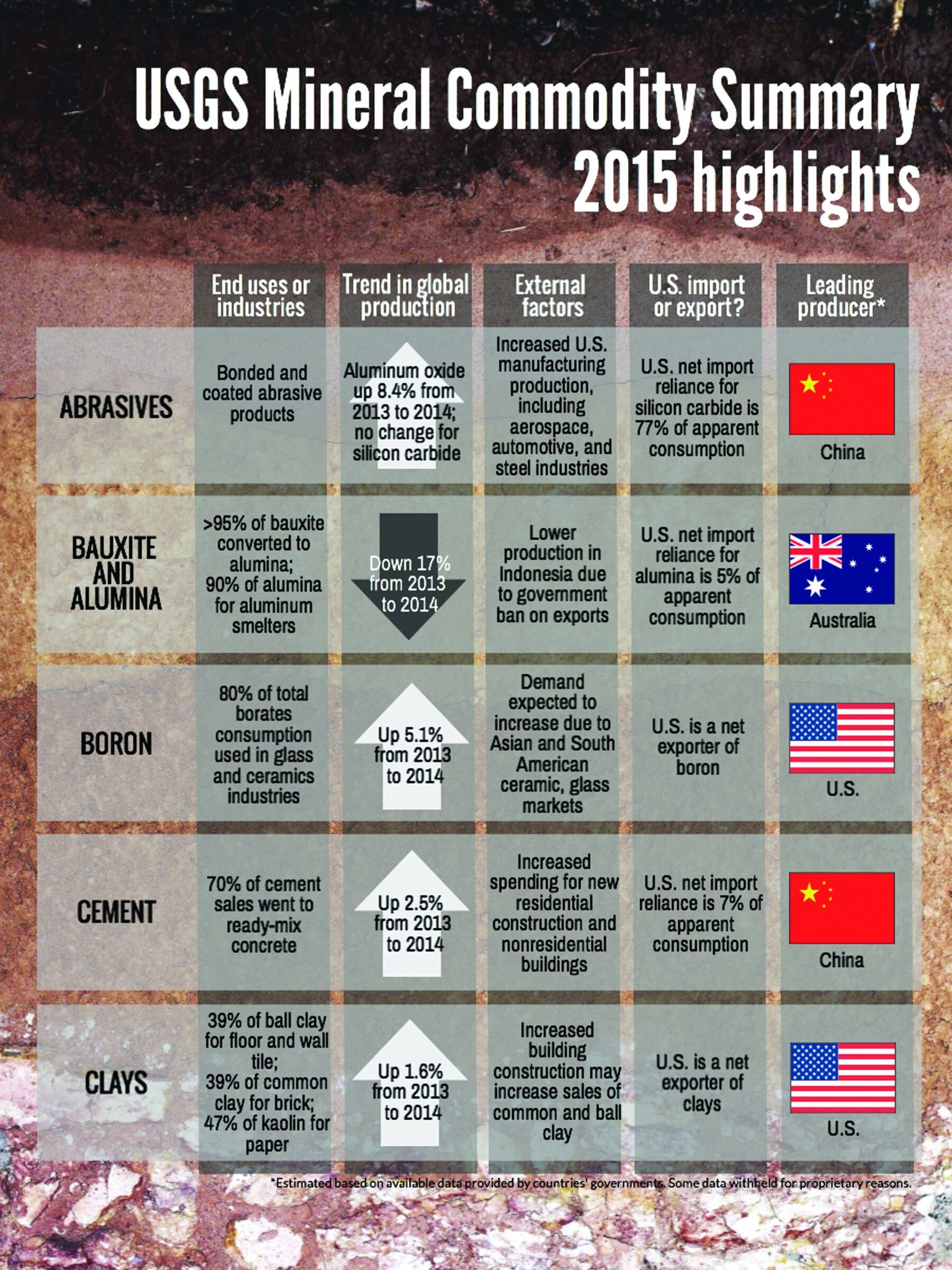
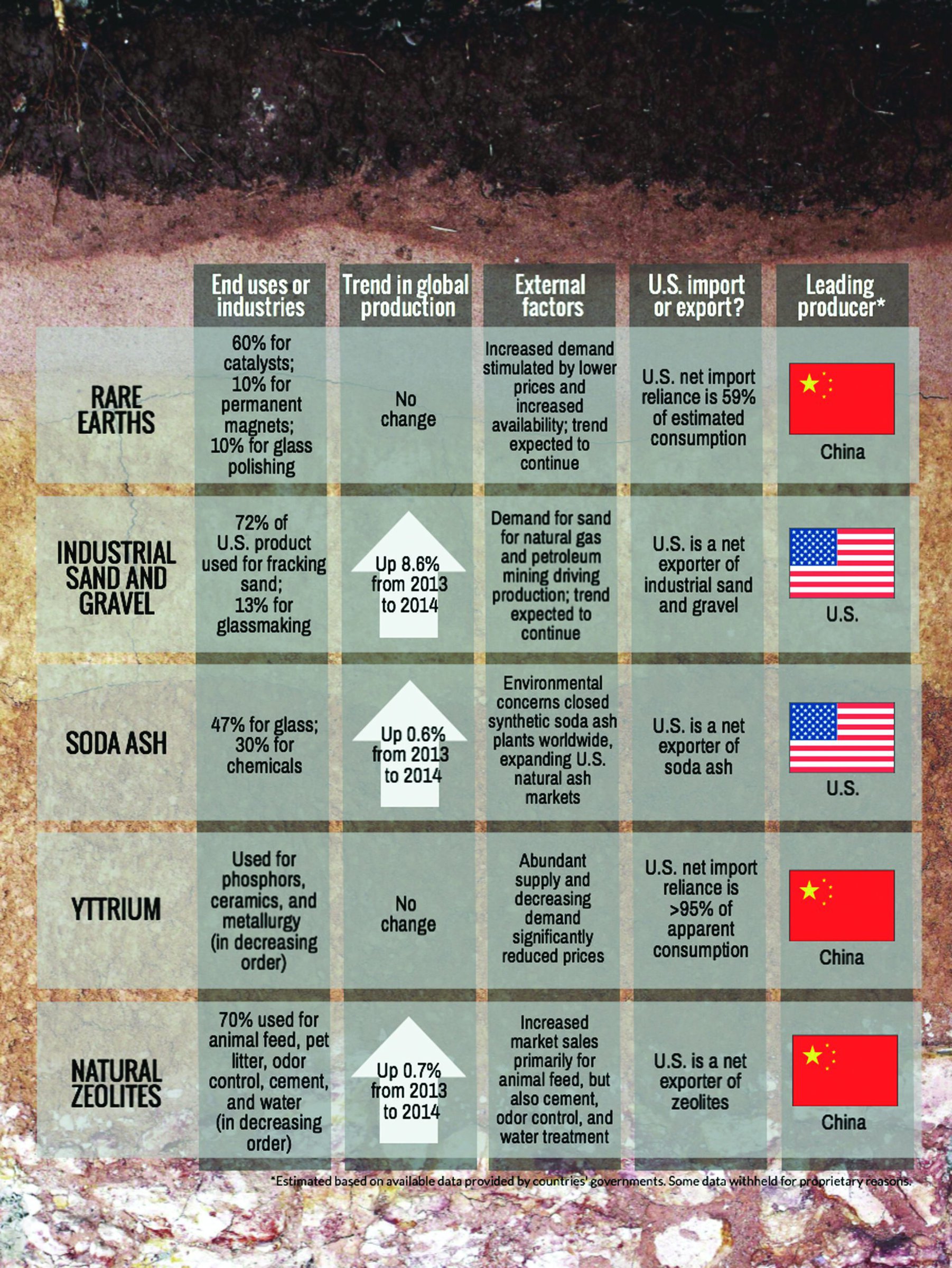
Access to minerals varies tremendously and is a function of primordial geology and contemporary geopolitics. As the table in the next pages shows, some of the most important minerals are concentrated in only a few regions, thanks to heterogeneity in the melt as the Earth cooled.
Take rare-earth minerals, for example. The vast majority of production—97%—comes from China, which effectively holds a monopoly on the rare-earth minerals market. As a result, China benefits from geological serendipity and exploding growth in technologies driven by rare earth-containing components.
Those who were caught in the 2009–2011 rare earth spike—which saw prices soar as China imposed export restrictions and stockpiling by rare-earth users further restricted demand—would prefer not to repeat the experience.
They would rather make products.
To do so, there appear to be three options: substitute, recycle, or discover.
Substitution researchers take two approaches—complete substitution of the rare earth with a non-rare earth material, or substitution of a scarcer rare earth with a fairly plentiful rare earth, such as cerium. ARPA-E has several projects to develop iron–nitride permanent magnets. Researchers at the Critical Materials Institute of the Ames Laboratory (Ames, Iowa; www.ameslab.gov) are looking to replace neodymium with cerium in permanent magnets. Cerium is four times as plentiful as neodymium and commensurately less costly.
Recovering rare earths tossed into the trash is an emerging area of investigation with global scope. So called e-waste—discarded computers, cell phones, televisions, etc.—is a growing problem that has captured the attention of the United Nations. United Nations University (Tokyo, Japan) is home to the STEP program—Solving the E-Waste Problem (www.step-iniative.org). The international group tracks flow of e-waste and conducts research into cost-effective approaches to reclaiming valuable materials. The program is multidisciplinary, and researchers are studying policy and geopolitical concerns regarding e-waste, much of which seems to flow from first world to third world nations.
Mining ores is still the most effective source of rare-earth elements, and there are commercially viable deposits outside China. Molycorp in the United States reopened its mine when rare earth prices were high. Unfortunately, a series of events led the company to declare bankruptcy recently and close the mine.
Things appear rosier in Greenland. Greenland Minerals and Energy Ltd. (www.ggg.gl) published a feasibility study in May 2015 on the Kvandfjeld mineral deposit, considered to be the world’s second largest rare-earth mineral deposit and the sixth largest uranium ore deposit. According to the study, the deposit is large enough to provide minerals for 37 years, and will meet GMEL’s goal of providing high-purity, low-cost rare earths to a global marketplace. Once started, the mine will supply critical rare earths as well as less critical lanthanum and cerium ores. It is also a significant source of zinc and fluorospa
Greenland law requires that downstream processing facilities locate in Greenland, not abroad. According to the feasibility study, GMEL plans “development of a mine, mineral concentrator, refinery, and supporting infrastructure located in Greenland treating 3.0 million tonnes per annum of ore.”
Needing a partner with expertise building ore processing infrastructure, GMEL turned to China Non-Ferrous Metal Industry’s Foreign Engineering and Construction Co. Ltd. (NFC). The company brings significant expertise to the project. NFC’s subsidiary company Guangdong Zhujiang Rare Earths Company was the first to achieve separation of 15 rare-earth elements. Besides the Greenland project, it is building a new state-of-the-art rare earth separation plant in China that will be one of the world’s largest such facilities.
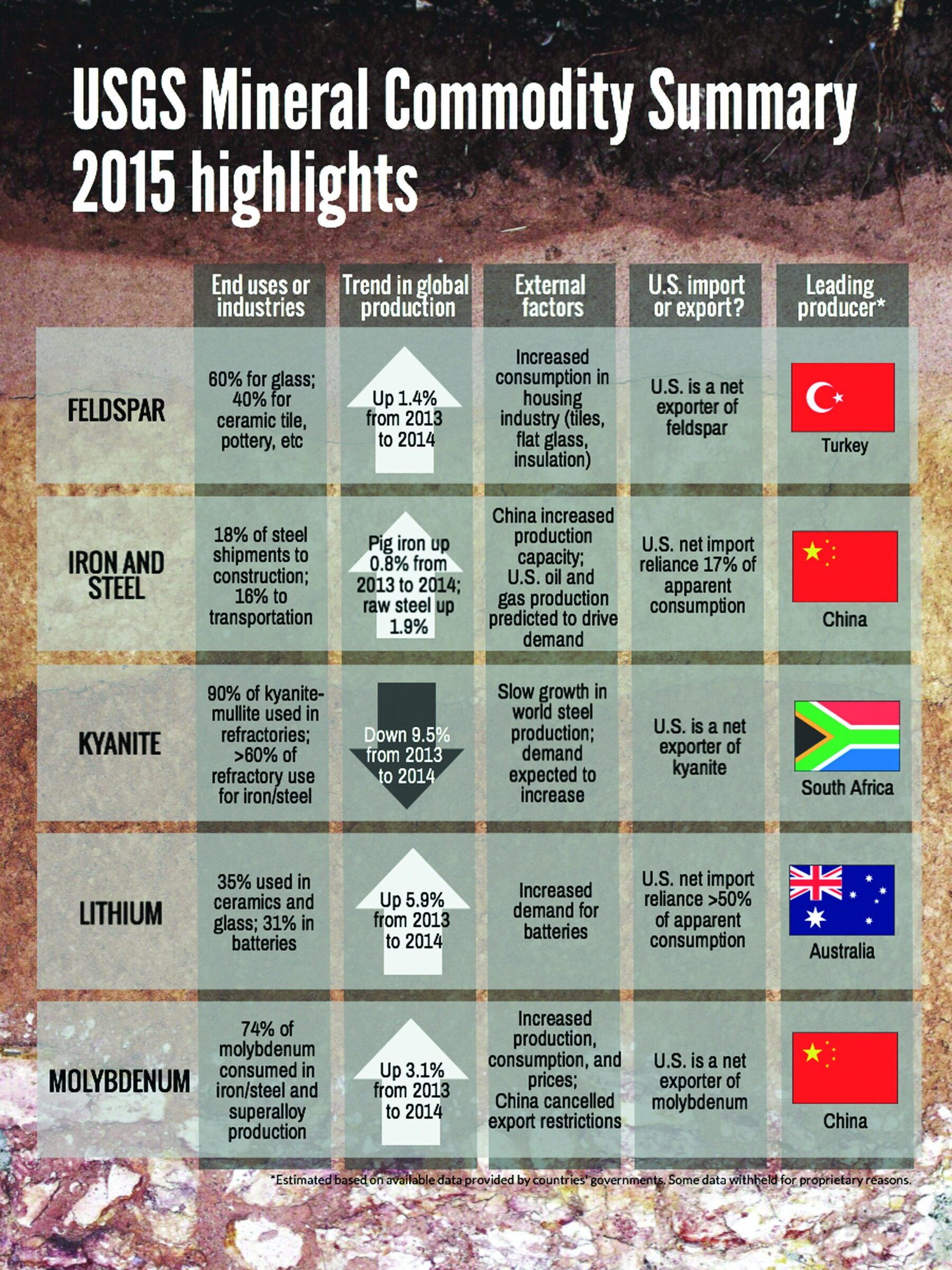
This issue we break with tradition and present our annual summary of the United States Geological Survey in a new format that focuses on high-level trends for select raw materials important to ceramic and glass industries. We also make it easy to get detailed information from the full report—just scan the QR code or visit www.usgs.gov to access the 2015 report.

Related Articles

Market Insights
Next-gen superconducting ceramics could change how we travel and much more
Forty years ago, two physicists from IBM’s research laboratory in Zürich, Switzerland, reported a groundbreaking discovery: Superconductivity, or the quantum mechanical phenomenon in which certain materials exhibit zero electrical resistance when cooled, could be achieved at higher temperatures using ceramics. Superconductivity had been discovered decades before, but its applications had…

Market Insights
Why most AI manufacturing projects fail and how to fix it
Artificial intelligence is reshaping advanced manufacturing, especially processes involving ceramics, glasses, and other hard or brittle materials. But adopting AI is far more difficult than simply buying software and connecting machines. Manufacturers must understand the advantages and limitations of different models, so they can determine where AI fits best within…

Bulletin Features
Radiation effects on rare earth chemistry in molten salts for nuclear applications
Across the nuclear energy sector, molten salts are shaping the next generation of nuclear technologies, from advanced power reactors to used nuclear fuel recycling. In molten salt reactors (MSRs), molten salts uniquely serve as both the primary coolant and fuel medium, a dual role that sets MSRs apart from conventional…