
Approximately 150 to 200 of the National Science Foundation’s research awards are supported by the Ceramics Program.1 The Ceramics Program portfolio includes
- Academic research grants with one or more investigators;
- Grant Opportunities for Academic Liaison with Industry (GOALI) awards with academic–industry partnerships;
- Research grants at predominately undergraduate institutions (RUI);
- Materials World Network (MWN) awards that support research and foster international collaboration; and
- Faculty Early Career Development (CAREER) awards for assistant professors who exemplify the academician’s role as teacher and scholar.2
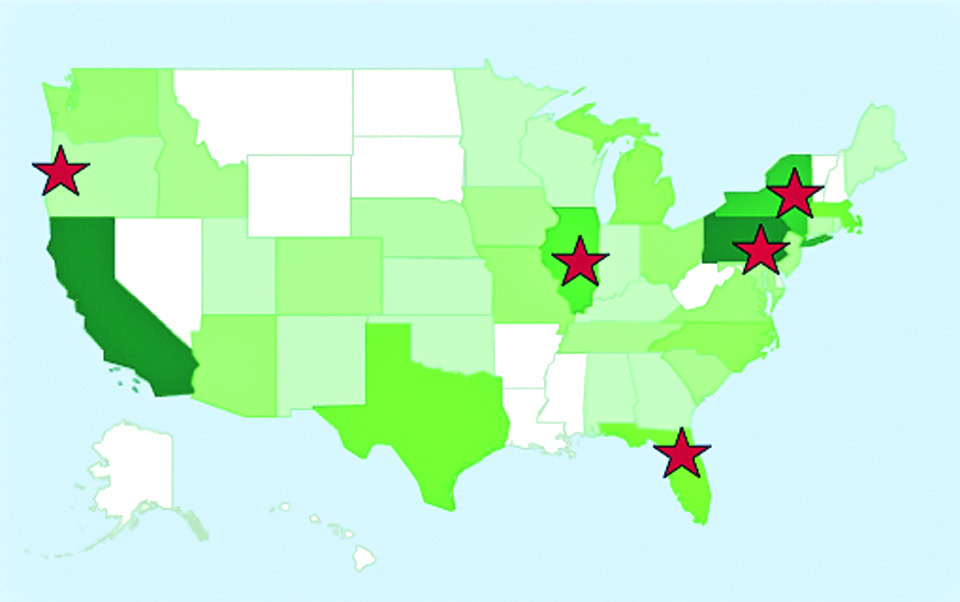
The Ceramics Program supports research across the United States, as shown in Figure 1, in keeping with the NSF mandate to encourage and support scientific research nationally. Pennsylvania and California have more than 20 awards each, and New York and Illinois have more than 10 each. States without grants through the Ceramics Program (shaded white in Figure 1) are all included in the Experimental Program to Stimulate Competitive Research (EPSCoR). The program’s goals are “to provide strategic programs and opportunities that stimulate sustainable improvements in their research and development capacity and competitiveness, and advance science and engineering capabilities in these jurisdictions for discovery, innovation, and overall knowledge-based prosperity.” The Ceramics Program funds 26 awards in EPSCoR states: Alabama, Idaho, Iowa, Kansas, Kentucky, Maine, Missouri, Nebraska, New Mexico, Oklahoma, Rhode Island, South Carolina, Tennessee, and Utah. Of these awards, five are cofunded by NSF’s EPSCoR office.
NSF Faculty Early Career Development Grants
The prestigious CAREER awards support the development of tenure-track assistant professors as outstanding researchers and educators who effectively integrate teaching, learning, and discovery. In the Ceramics Program, 25 awards or about 15 percent of the program’s portfolio are CAREER grants.1 The number of CAREER proposals received in the Ceramics Program and, subsequently, the number of awards has varied widely from year to year (Figure 2). Moreover, in the 2001–2012 time period, the success rate of submitted proposals was 15 percent or lower in five of the years, and in seven of those years it was 27 percent or higher. Even though the NSF’s actual budget or budget outlook varies from year to year, decisions on CAREER proposals are based on merit, rather than budgetary fluctuations.
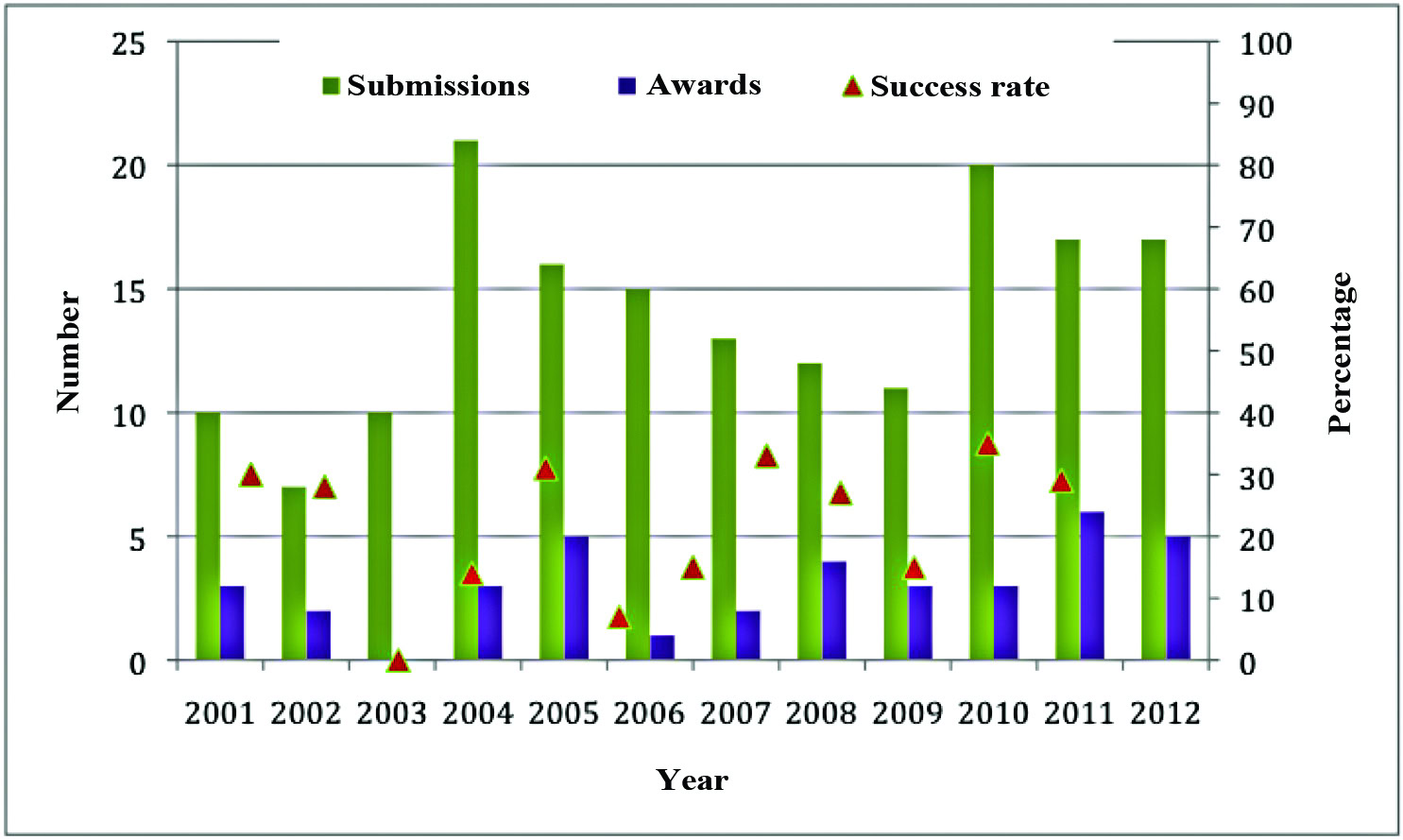
Figure 2. Number of CAREER proposals and awards and the associated funding or success rates from 2001 through 2012. This time period reflects the grant recommendations made by the author. Credit: Madsen; NSF.
There were three CAREER awardees3,4 in 2009 and 2010, and six awardees in 2011.5 In 2012, the Ceramics Program funded five new awards in five states:
- Pennsylvania. The Ceramics Program usually has many awards in Pennsylvania because of strong materials science/engineering research programs at Drexel University, University of Pennsylvania, Lehigh University, Pennsylvania State University, Carnegie Mellon University, Duquesne University, University of Pittsburgh, and Temple University.
- Florida. There are seven active Ceramics Program awards in Florida. Four of these are CAREER awards—one at the University of Central Florida and three at the University of Florida.
- Oregon. In addition to the 2012 CAREER award, the Ceramics Program cofunds (with two NSF programs in the Engineering Directorate) another award in Oregon, also at Oregon State University.
- New York. There are several awards at Rensselaer Polytechnic Institute in addition to the latest CAREER award. The Ceramics Program also supports projects at other institutions in the state of New York, including SUNY at Stony Brook, SUNY at Albany, Alfred University, Columbia University, CUNY College of Staten Island, Rochester Institute of Technology, and Union College, for a total of 17 awards.
- Illinois. Most of the Ceramics Program’s awards are divided between University of Illinois at Urbana-Champaign and Northwestern University. There is one award at the University of Illinois at Chicago, which also is a CAREER award.
Where was California in the 2012 CAREER competition in the Ceramics Program? Nowhere! Institutions have to play to win, and no proposals were submitted from California faculty in this round. However, six of the 25 active CAREER awards support junior faculty at California institutions.
The Future
NSF staff will work with faculty and university press offices to report on the discoveries of present and future awardees through news media, the NSF website, and other channels, including the Bulletin. The NSF’s online news outlets, www.research.gov, and Science Nation on the www.nsf.gov website regularly feature research and education highlights. Also, after the completion of NSF-funded projects, short outcome reports are available on www.research.gov for the public.
Looking ahead to 2013, 14 CAREER proposals are under review, with possible EPSCoR cofunding for new awards in those jurisdictions, particularly for researchers new to NSF funding. However, the CAREER program is not the only option for assistant professors, and they often apply to other NSF solicitations and programs. In particular, assistant professors have capitalized on their connections overseas and with industry to secure funding through the NSF’s MWN and GOALI grants. The CAREER Class of 2013 will be announced in the early spring.
Career Class of 2012 Awardees
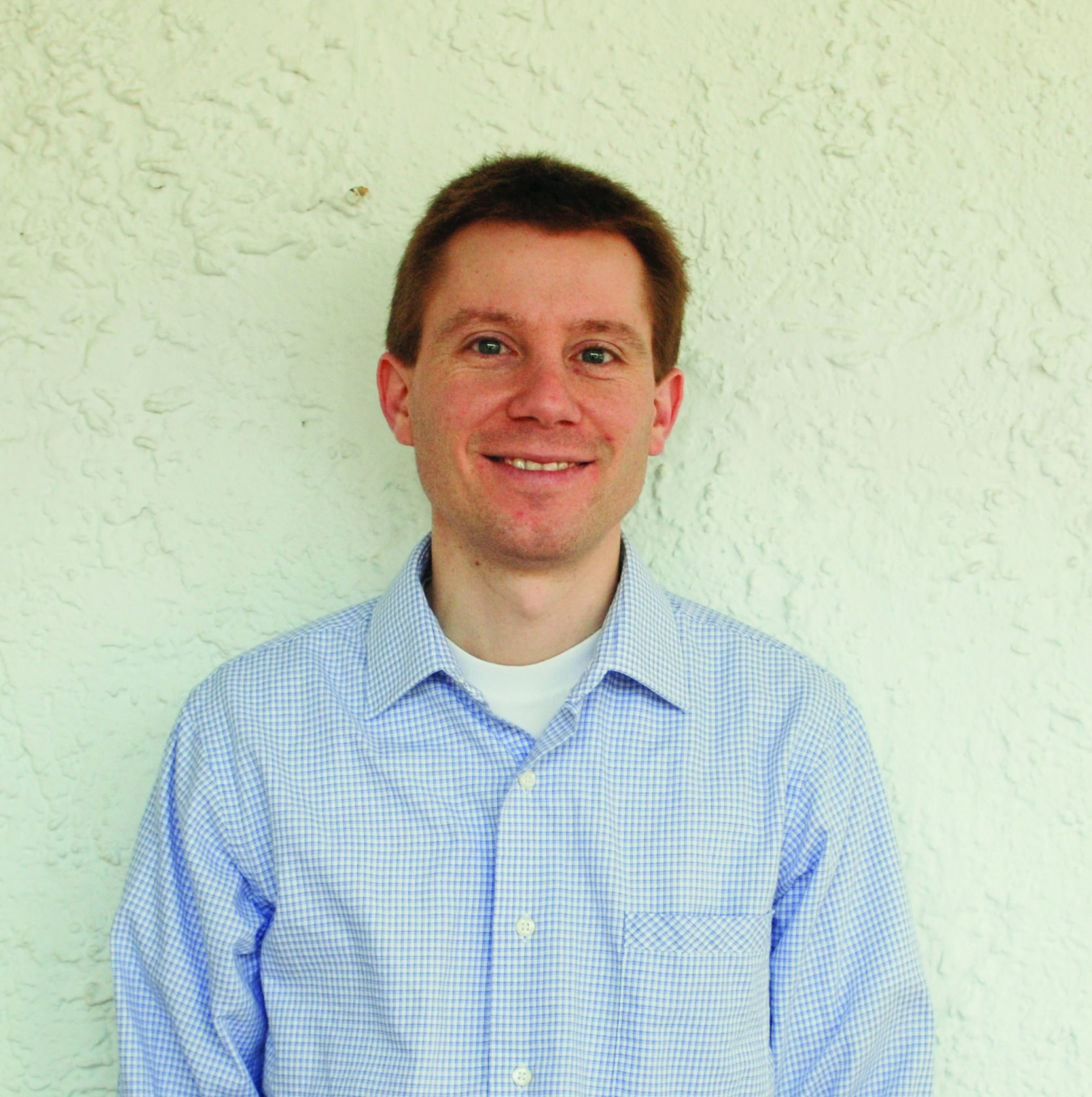
Steven J. May, Drexel University, PhD 2007
Project title: Octahedral Control of Electronic Properties in Semiconducting Perovskite Heterostructures.
Intellectual goal: Control electronic properties, such as the bandgap and carrier mobilities, in semiconducting perovskite films by enforcing nonequilibrium atomic structures.
Education efforts: Outreach to high school students where a significant fraction are underrepresented in science. (NSF award number: 1151649)
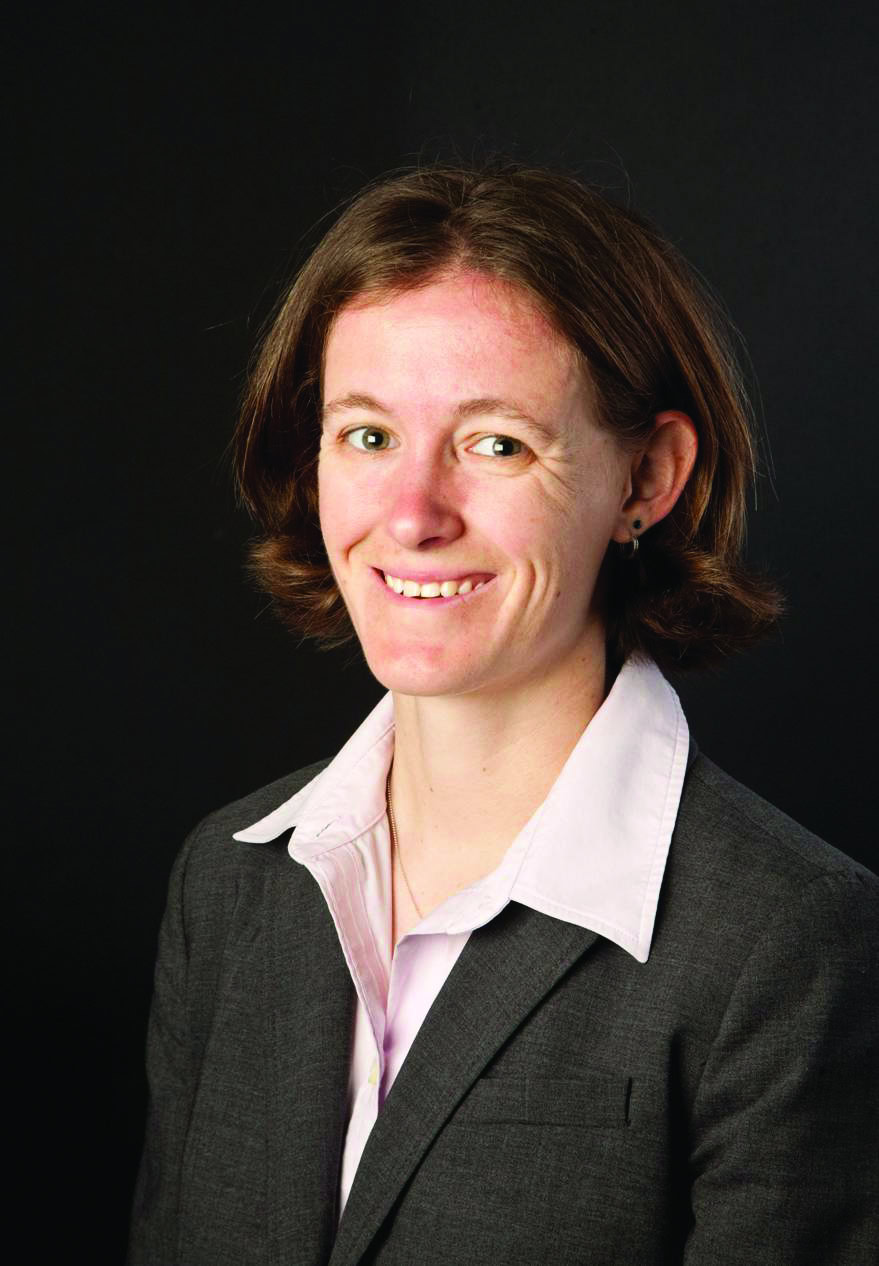
Jennifer S. Andrew, University of Florida, PhD 2008
Project title: Structure–property Relationships Arising from Interfacial Coupling in Biphasic Ceramic Nanocomposites.
Intellectual goal: Synthesize free-standing composite biphasic nanoparticles and fibers to study the effects of interfacial properties, including area and nature (e.g., epitaxy) on composite properties.
Education efforts: Employ a team-based approach in a multi-institutional and multidisciplinary environment through collaborations and leverage existing outreach to improve high school graduation rates in at-risk youth. (NSF award number: 1150665)

Brady Gibbons, Oregon State University, PhD 1998
Project title: Development of Environmentally Benign Piezoelectric Materials for Sustainable Systems.
Intellectual goal: Develop lead-free piezoelectric materials for small-scale sensing and actuation applications.
Education efforts: Integrate with mentoring programs that bring high school, undergraduate, and graduate students, as well as the professor together, to build a pyramid of mentorship in the laboratory and increase diversity. (NSF award number: 1151701)
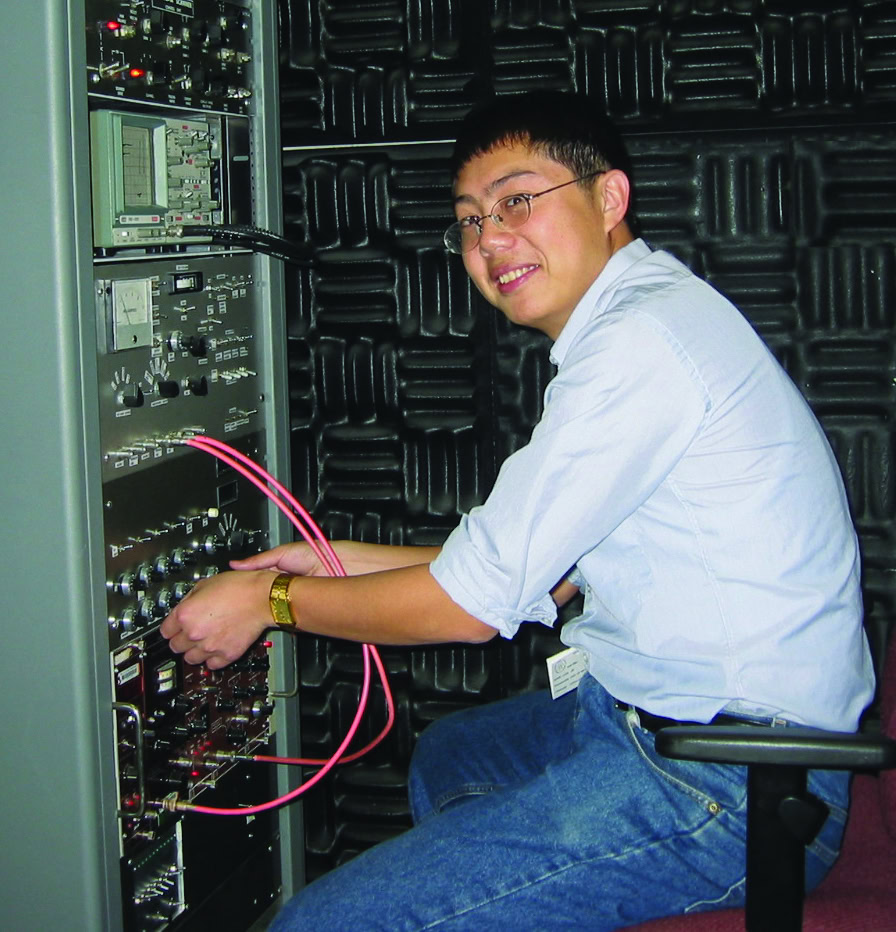

Jie Lian, Rensselaer Polytechnic Institute, PhD 2003
Project title: Radiation Interaction with Nano-structured Ceramics—Integrating Materials Research Into Nuclear Education.
Intellectual goal: Elucidate atomistic mechanisms of radiation interaction and defect behaviors to understand damage mechanisms and structural evolution of nanostructured ceramics and how different length scales affect materials radiation performance.
Education efforts: Engage underrepresented students at high schools through collaboration with local teachers and communities and academic outreach programs (including Summer@Rensselaer) to increase the public’s understanding of nuclear radiation challenges and materials solutions. (NSF award number: 1151028)
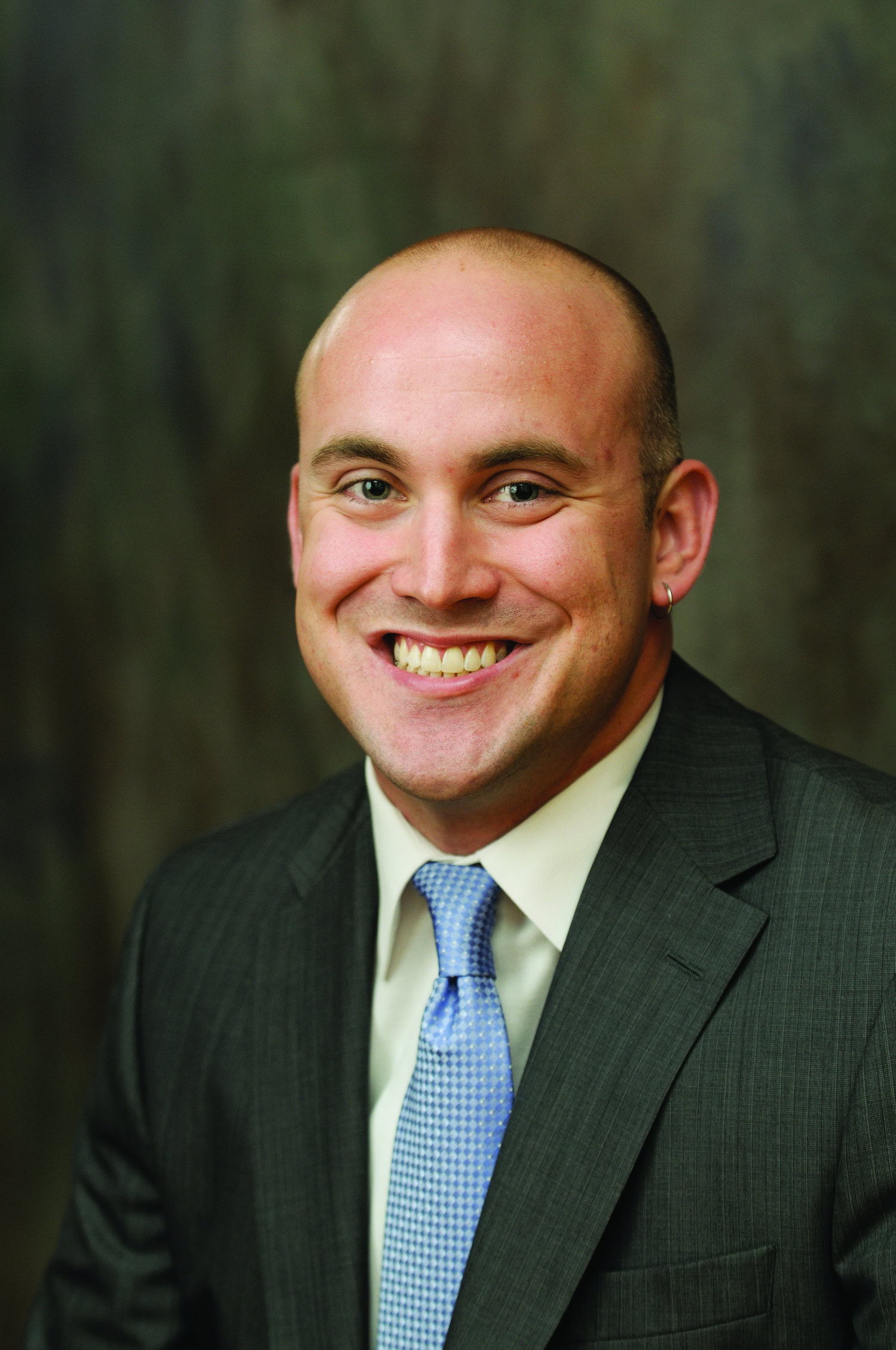

Lane W. Martin, University of Illinois at Urbana-Champaign, PhD 2008
Project title: Enhanced Pyroelectric and Electrocaloric Effects in Complex Oxide Thin-Film Heterostructures.
Intellectual goal: Expand fundamental understanding of magneto-electro-caloric and pyro-electric-magnetic effects, develop predictive capabilities for responses in thin-film systems, and probe the properties and ultimate performance of these materials device applications.
Education efforts: Promote discovery and understanding at the K–12/undergraduate/graduate education levels by introducing students to advanced functional materials and broaden participation of underrepresented student groups in science and engineering careers. (NSF award number: 11149062)
Acknowledgments
Ashley A. White, AAAS Science and Technology Policy Fellow, is acknowledged for her thoughtful input. Thanks are given to the Class of 2012 CAREER awardees for supplying images. University logos are used with permission.

Related Articles

Market Insights
Next-gen superconducting ceramics could change how we travel and much more
Forty years ago, two physicists from IBM’s research laboratory in Zürich, Switzerland, reported a groundbreaking discovery: Superconductivity, or the quantum mechanical phenomenon in which certain materials exhibit zero electrical resistance when cooled, could be achieved at higher temperatures using ceramics. Superconductivity had been discovered decades before, but its applications had…

Market Insights
Why most AI manufacturing projects fail and how to fix it
Artificial intelligence is reshaping advanced manufacturing, especially processes involving ceramics, glasses, and other hard or brittle materials. But adopting AI is far more difficult than simply buying software and connecting machines. Manufacturers must understand the advantages and limitations of different models, so they can determine where AI fits best within…

Bulletin Features
Radiation effects on rare earth chemistry in molten salts for nuclear applications
Across the nuclear energy sector, molten salts are shaping the next generation of nuclear technologies, from advanced power reactors to used nuclear fuel recycling. In molten salt reactors (MSRs), molten salts uniquely serve as both the primary coolant and fuel medium, a dual role that sets MSRs apart from conventional…