
The National Science Foundation’s Faculty Early Career Development (CAREER) program supports junior faculty who exemplify their roles as teacher–scholars through excellent research and education. The NSF CAREER award series1–9 gives visibility to these junior professors and their work in the ceramics and glass community and inspires academic careers of ceramic researchers and educators. Incoming junior faculty sustain and grow the field—they are indeed the future as well as the guardians of the future work force.
Quite often, the CAREER award represents the launch of support for these young faculty researchers.
In recognition of the 10th year of this series, this article includes an overview, which has a snapshot of where they are now in their academic careers (Table 1). For the most part, Ceramics Program CAREER awardees do not move institutions until after completion of their CAREER awards; several of them have picked up joint appointments with other departments and/or senior leadership roles in addition to progressing in the faculty ranks.
FY 2018 CAREER grantees
It is my honor to present the four 2018 CAREER awardees from the Ceramics Program of the Division of Materials Research at NSF.
CAREER: Confining magnetism to two-dimensions in transition metal oxide atomic layers
Divine P. Kumah, North Carolina State University (Figure 1) — NSF Award 1751455
“Applying for the CAREER grant has enabled me to think creatively about integrating my long-term research and educational goals. To be successful, the proposal should provide sufficient background information to demonstrate that you have started thinking critically about your broader impact as a researcher, educator, and mentor. The proposal should clearly articulate how these activities will be propelled by the CAREER grant.”— Divine Kumah
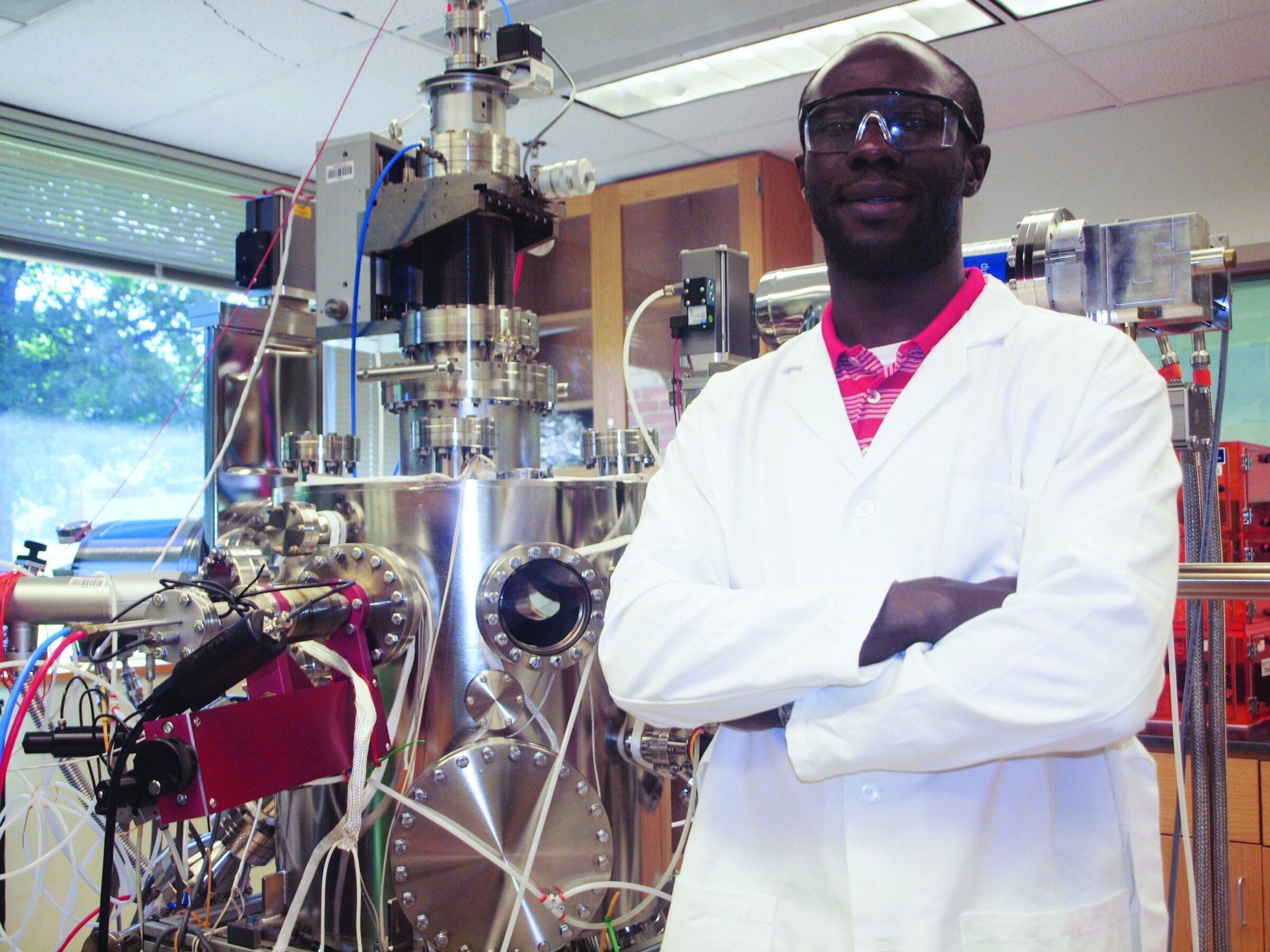
Figure 1. Kumah in his lab, which focuses on growth and characterization of atomically-thin magnetic complex oxide films. Credit: Divine Kumah
This research seeks a comprehensive understanding of the fundamental interactions that occur at the interfaces between atomically-thin magnetic oxide films and other polar and nonpolar perovskite materials in order to establish a link between the observed interactions and the physical properties of these systems (Figure 2). A combination of first principles theory, high-resolution electron microscopy and temperature-dependent magnetic, transport, and element-specific synchrotron X-ray magnetic dichroism measurements is used to design novel oxide heterointerfaces for achieving the confinement of ferromagnetism in two-dimensional oxide layers. This information is needed to understand why some oxide materials lose their useful magnetic properties when their thicknesses are reduced to a few atomic layers.10
Broader impacts include:
- Exciting applications for design of novel materials and devices for information processing, quantum computing and low-powered sensors.
- Education of undergraduate and graduate students in the development of next generation of advanced nanoscale materials is enhanced through exposure to a wide range of cutting-edge research tools such as the state-of-the-art synchrotron X-ray facilities at the Argonne National Laboratory and the Berkeley National Laboratory.
- Providing low-cost tools for visualizing complex atomic and electronic structures and abstract concepts related to crystallography for classroom instruction and public outreach to K-12 schools and fostering the public’s understanding of new technologically-relevant crystalline materials.
Companies with a potential interest: Sector of advanced computing and information storage devices.
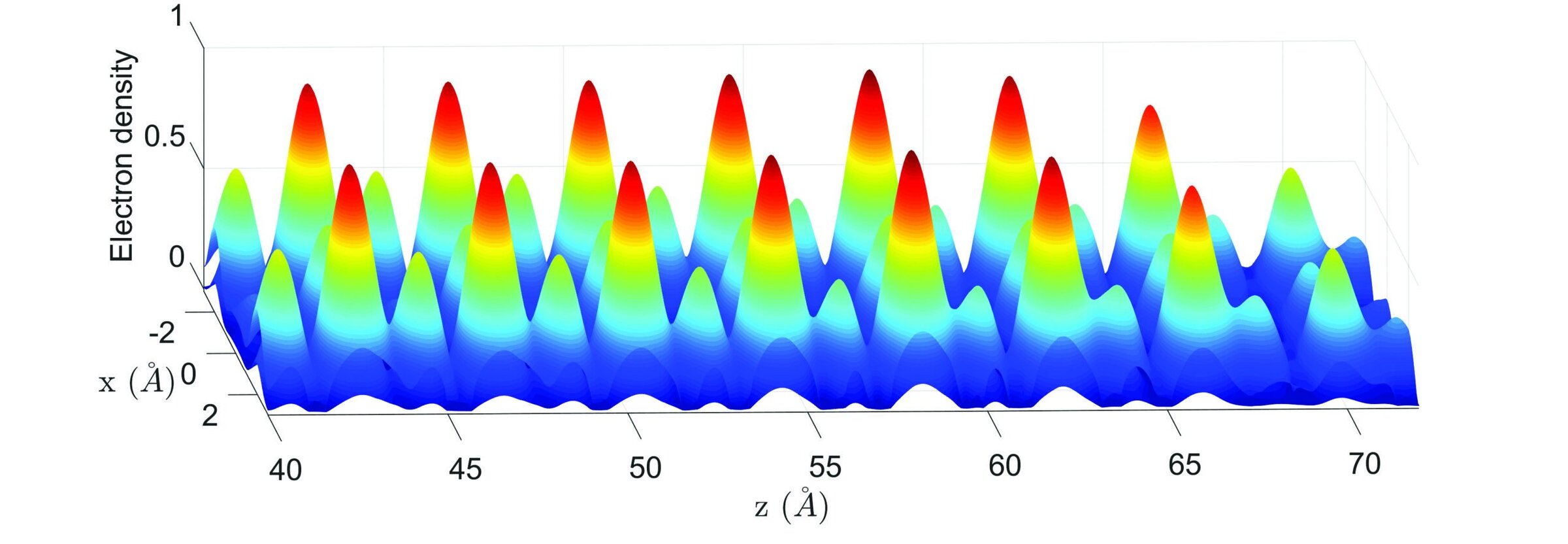
Figure 2. High-resolution electron density profile of a crystalline oxide film obtained from synchrotron X-ray diffraction. Combining crystalline atomic layers of transition metal oxide materials allows for the formation of heterointerfaces with novel electronic, magnetic, and orbital phases. Using synchrotron X-ray based diffraction and spectroscopy combined with first-principles theory, the novel interfacial phases are probed to understand their physical origin and identify pathways for designing heterostructures with specific magnetic and electronic properties for device applications. Credit: Divine Kumah
CAREER: Controlling two-dimensional heterointerface in layered oxides for electrodes with advanced electrochemical properties
Ekaterina Pomerantseva, Drexel University (Figure 3) — NSF Award 1752623
“When writing this proposal, I was inspired by outstanding research published by my mentors and colleagues. With so many talented scientists in the field of energy storage, I feel privileged to be selected to shed more light on the ways to solve one of the biggest issues of oxide electrodes—their poor electronic conductivity. My passion is to make new materials that potentially can facilitate intercalation. So, when you think about crystal structures of the materials, the structures that favor intercalation properties the most are so-called layered structures. We have layers of the host materials that are separated by these two-dimensional channels. This is the channel that is available for ion intercalation. It seems favorable to have these layers being expanded, because we can put more ions in, and the capacity will be higher. What’s most interesting for me in this research is that two-dimensional oxide heterostructures with controlled order of the layers have never been synthesized before for large scale production of cathode materials necessary for energy storage applications.”— Ekaterina Pomerantseva
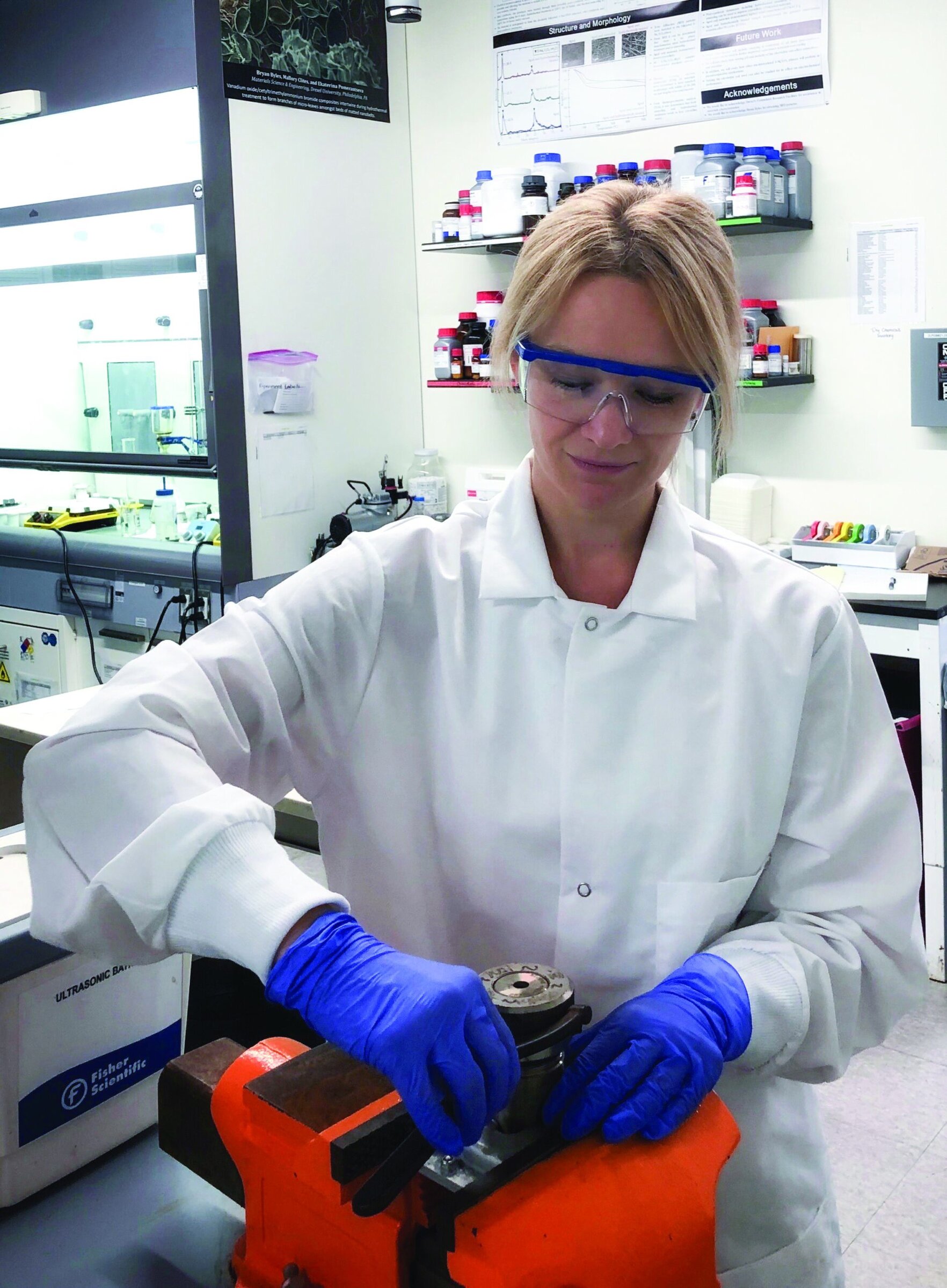
Figure 3: Pomerantseva assembling an autoclave for the hydrothermal synthesis of two-dimensional oxide heterostructured materials for use as electrodes in intercalation batteries. Credit: DEkaterina Pomerantseva
This research focuses on understanding how face-to-face heterostructured interfaces can be created and controlled in layered materials (Figure 4). The aim is to produce 2D oxide-based heterostructures with high electron and ion transport leading to greater energy storage capabilities in Li-ion, Na-ion, and K-ion batteries. Layered transition metal oxides show high redox activity in intercalation reactions and relatively high working potentials, making them especially attractive for use as cathodes in energy storage devices. However, the low electronic conductivity of most oxides limits their performance. To overcome this limitation, layered oxides are combined in unique heterostructured architectures with electronically conductive 2D compounds by controllably alternating atomically thick layers of different individual materials. The 2D heterostructure electrodes are constructed using a sol-gel assisted transition metal oxide synthesis process through (1) chemical pre-intercalation of organic molecules followed by pyrolysis, or (2) addition of solid nanoflakes of conducting phases (graphene or MXene) during the sol-gel process. Combining layered metal oxides and carbon-based compounds in high quality layer-by-layer architecture offers an opportunity to discover and investigate new phenomena occurring at interfaces.11
Broader impacts include:
- Tailored 2D heterointerfaces make the design of new ceramic materials with tunable structures and compositions possible. Synthesized materials will exhibit high ion storage capability, rapid electron and ion transport, and enhanced electrochemical stability. There is potential to create batteries with improved energy and power capabilities. The materials and methods developed in this work are also relevant to a wider range of applications, including electrochromics (responsible for reversible changes of color), sensing, actuation (or control of movement), and water treatment.
- Integration of synthesis and properties of 2D structures into the engineering curriculum. Creation of educational videos on synthesis and electrochemical properties of materials enrich outreach programs.
- A variation on the gameshow Family Feud focused on electrochemistry is being used to attract more students to science, technology, engineering, and mathematics (STEM) fields.
Companies with an interest: Because limited charge storage capacity of the cathode materials remains a barrier that does not allow achieving breakthrough improvements in battery performance, Pomerantseva’s research on creating two-dimensional oxide-based cathode heterostructures is of interest to multiple national and global companies that require portable power.
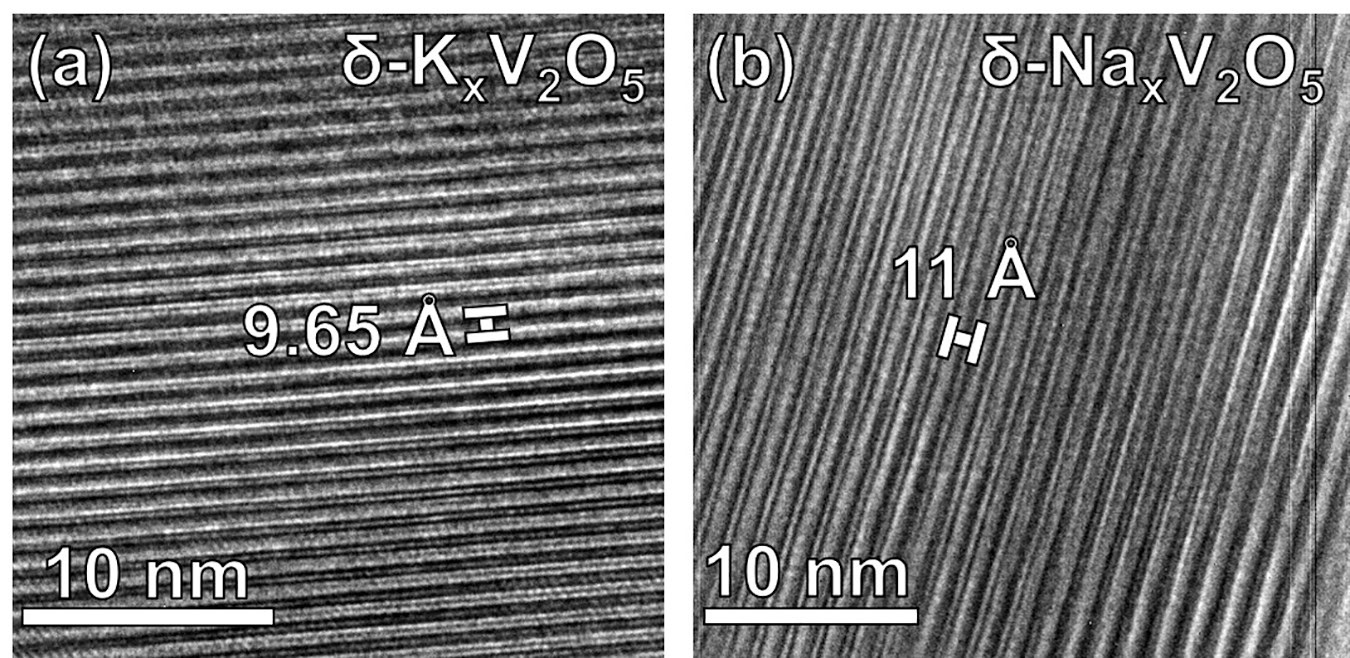
Figure 4. Transmission electron microscopy images of layered oxide materials synthesized in Pomerantseva’s group demonstrating an ability to tune interlayer distance by controlling synthesis conditions. These materials were obtained via chemical pre-intercalation of potassium (a) and sodium (b) ions into the interlayer region of bilayered vanadium oxide, a high-capacity cathode material in intercalation batteries. Credit: Ekaterina Pomerantseva
CAREER: Probing oxygen-mediated electrochemical processes of oxides at high spatial and temporal resolution
Min Hwan Lee, University of California, Merced (Figure 5) — NSF Award 1753383
“The preparation for a CAREER proposal was a great opportunity to think through my long-term research plan. Being explicit about innovative components of your proposed research on an important current technological mission, I think, is one of the key components for a successful proposal. In addition, a discussion on alternatives in case the original plans do not work out is likely to give you even higher chance of winning.”— Min Hwan Lee
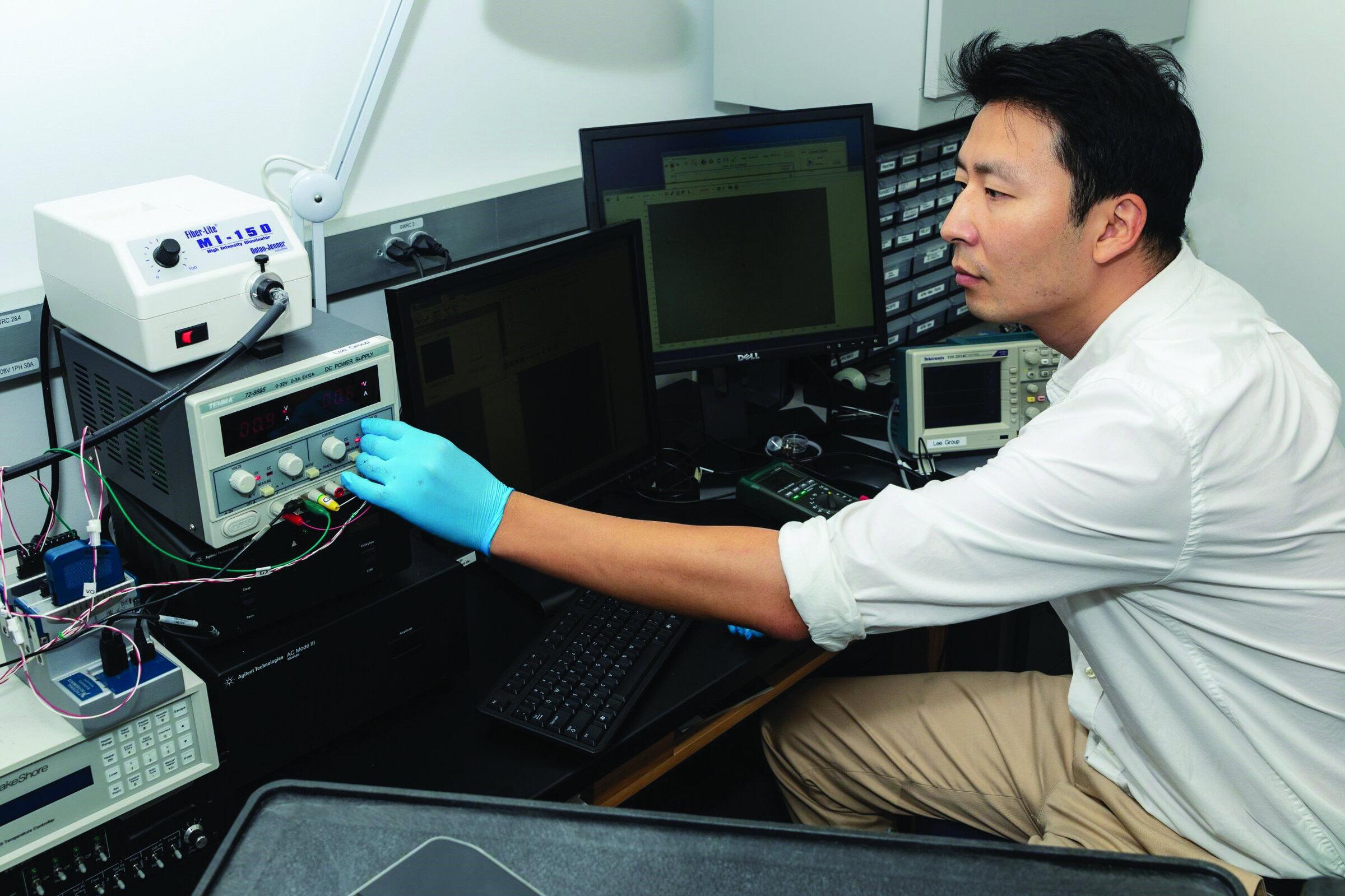
Figure 5. Lee performs a nanoscale electrochemical measurement on a solid oxide-based cell in front of an atomic force microscopy system located in his laboratory at the University of California, Merced. Credit: Min Hwan Lee
Solid oxide fuel cells—devices that produces electricity directly from oxidizing a fuel—offer clean and efficient energy conversion. The performance of SOFCs and electrolyzers are largely affected by the kinetics of oxygen electrochemical reduction/evolution reactions (ORR/OER). While each elementary process of the reaction is intrinsically a nanoscale phenomenon dictated by local material properties and geometry, the electrochemical properties have been mostly analyzed through bulk (volume-averaged) measurements. To obtain a breakthrough in electrode design, a more thorough understanding of the underpinning mechanisms of the reactions at the nanoscale is needed. This research12–13 stands to advance the understanding of ORR/OER processes through in situ nanoscale observations by leveraging a novel scanning probe-based setup with a microscale heater (Figure 6). There are three significant aspects: 1) demonstrating a new high temperature scanning probe-based approach for in situ nanoscale characterizations of electrochemical surface reaction and charge transport kinetics under operating oxygen activities; 2) pioneering novel time-resolved nanoscale characterization of thermally-activated processes; and 3) providing deeper insight regarding the ORR/OER and related charge transport at the nanoscale.
Broader impacts include:
- Extensive research opportunities for graduate and undergraduate students (including underrepresented minority students) for their future employment in the energy technology sector.
- Curricula enhanced by incorporating research into seminars and courses.
- Effective education for K-12 students from the local and surrounding rural communities in the Central Valley through the on-campus Engineering Service Learning.
Companies with a possible interest include those in the energy sector.
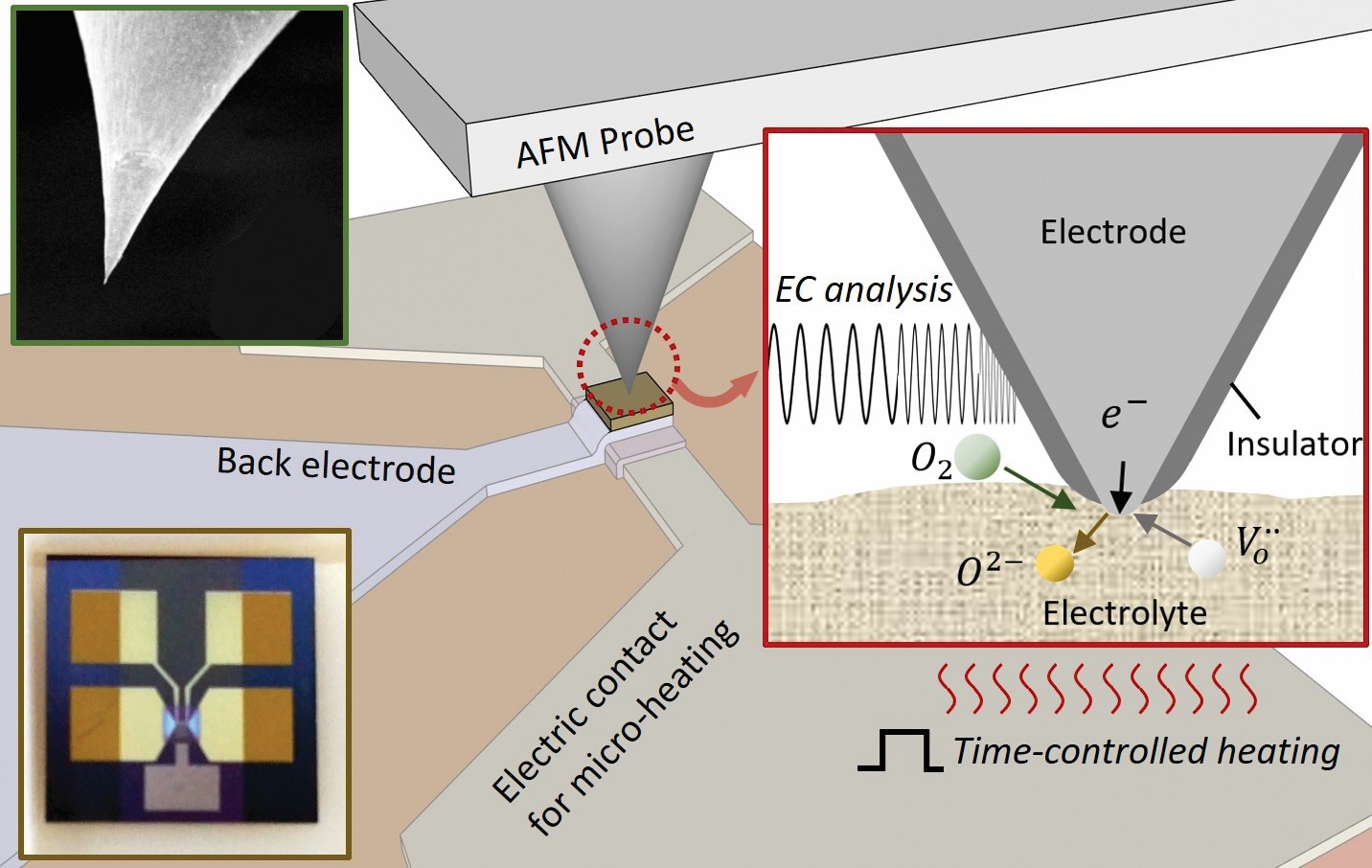
Figure 6. Conceptual drawing of scanning probe-based setup for in situ observations of oxygen-mediated electrochemical reactions at true nanoscale. Microheater embedded half cells and custom-made all-Pt tips are integrated into a scanning probe system of controlled gas environment. Insets show a custom-fabricated all-Pt tip (upper left) and a micro-heater embedded half cell (lower left). Credit: Min Hwan Lee
CAREER: Probing crystallization of atomic layers using in situ electron
Nicholas C. Strandwitz, Lehigh University (Figure 7) — NSF Award 1752956
“The basics concepts behind the ideas that this CAREER award supports have been bouncing around in my head for probably five years. The fact that I kept thinking about them and developing the concept was proof to me that this is a worthwhile endeavor.” —Nicolas C. Strandwitz
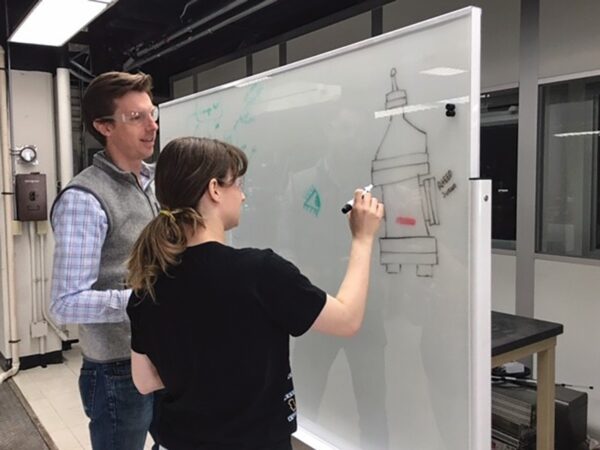
Figure 7. Strandwitz and Ph.D. student Alexandra Howzen discuss reactor design and the challenges and opportunities associated with integrating RHEED and ALD. Credit: Nicholas C. Strandwitz
In these studies, the fundamental transformations that occur during atomic layer deposition (ALD) and annealing are elucidated by utilizing in situ reflection high energy electron diffraction (RHEED). Current ALD processes are often limited in terms of the structural control available (due to the precursor decomposition at high temperatures), which presents a significant barrier to precisely controlled three-dimensional epitaxial architectures that are integral to next generation electronics. Therefore, this work sets out to separate the precursor chemisorption steps (ALD component) (Figure 8) that result in amorphous layers from thermal processing that provides energy needed to induce crystallization in the model material system gallium oxide. Importantly, electron diffraction is probing in real time the structural transformations that occur to reveal the effect of ambient atmosphere, substrate structure, and orientation with adlayer thicknesses in the range of 0.5–10 nm. Analytical electron microscopy is providing precise structural and compositional details of the films and film-substrate interfaces including defect characteristics. This research captures a slow-motion picture of the structural changes that occur during many traditional thin film epitaxy techniques and yields new relationships that control crystallization of ultrathin layers and thus impacts the thin film/epitaxy communities.
Broader impacts include:
- Control of atomic scale structure in ultra-thin films on nonplanar substrates is critical to next generation optical, electrical, biological, and magnetic materials and devices. In particular, nanoscale control of materials is essential to enable further decreases in the feature sizes and growth of materials in three-dimensional (nonplanar) architectures in development for applications such as logic circuitry, memories, and photovoltaics.
- Research findings are integrated into a university-level thin film course, a hands-on equipment laboratory, and an industrial outreach effort.
- Mentorship and outreach are conducted through the Booth Scholarship Program, Mountaintop Experience, and a local science center.
Companies with a possible interest in this research include those in the semiconductor manufacturing sector.
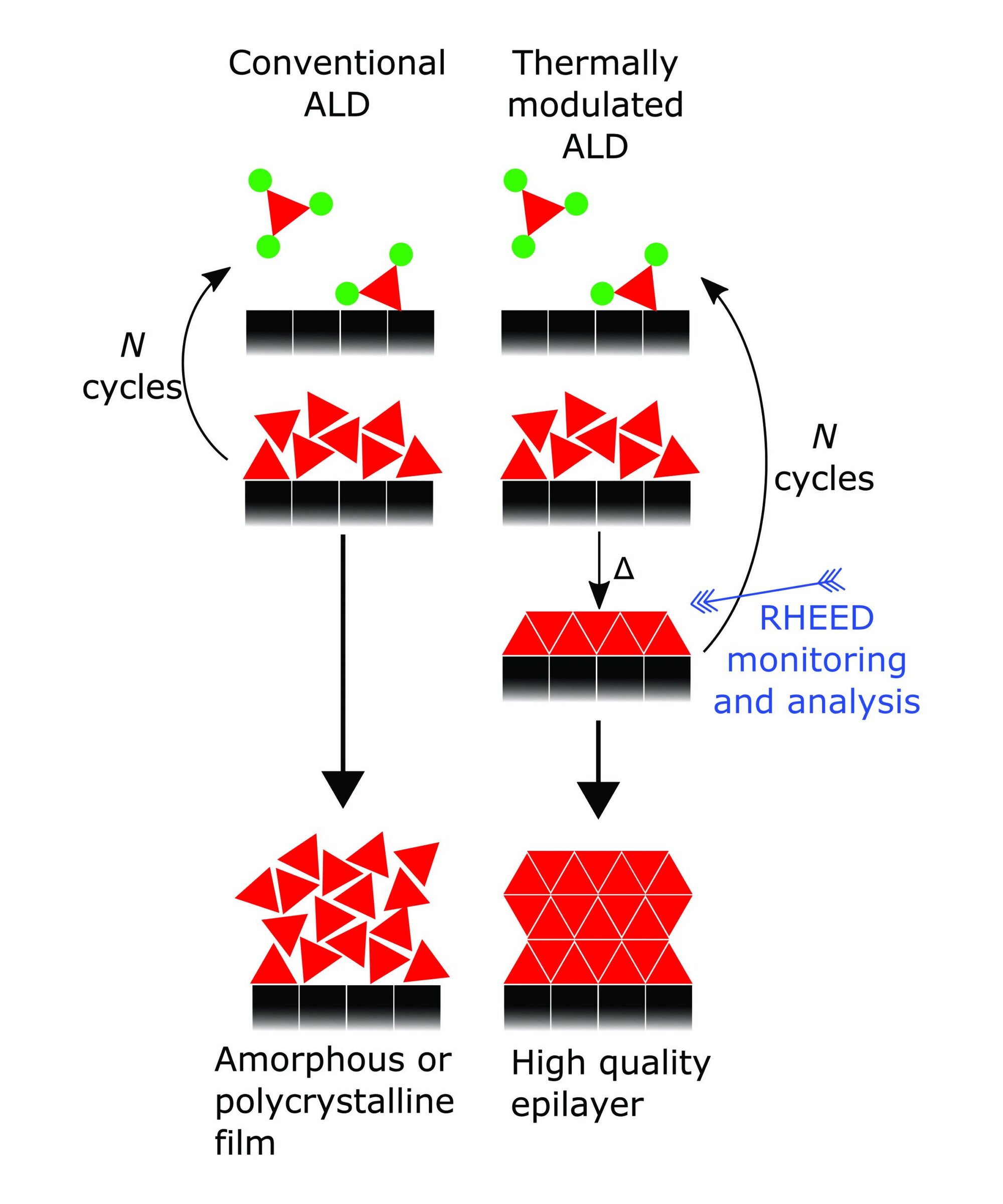
Figure 8. Schematic of (left) conventional ALD, where cyclic deposition of precursors results in films lacking long range order due to insufficient thermal energy for atomic motion of chemisorbed species and (right) thermally modulated ALD where heating steps are inserted in between ALD growth cycles and the structural rearrangements probed using RHEED. Credit: Nicholas C. Strandwitz
Experience speaks—Advice from senior researchers
On-going success at getting research support is critical to surviving in U.S. academia at research-intensive universities. Accordingly, I reached out to three senior investigators to hear their advice.
Jonathan Stebbins, Stanford University, has received 24 NSF awards to date, including those for instrumentation and research awards in ceramics and geosciences (reflecting his dual appointment on campus). Stebbins intentionally keeps his research program small, which helps him stay close to the action.
“Due to the incredible support of our research, we’ve been able to focus on studies that seem fundamental to long-standing questions involving silicate and oxide materials important to a wide range of scientific problems but have kept our programs relatively small. That way I’ve been able to stay closely involved with all of the work in our labs, from sample syntheses to data collection to paper and proposal writing. This has continued to make the research personally rewarding. Big, multidisciplinary programs are important and exciting, but ‘small’ can be very ‘beautiful,’ too!” he says.
Himanshu Jain, Lehigh University, has received 17 NSF awards as PI so far. His awards have come from DMR, the Engineering Directorate, the Education and Human Resources Directorate, and the Office of International Science and Engineering. Jain encourages proposal writers to let their curiosity and enthusiasm show.
“For someone at the beginning of a career in curiosity-driven scientific research, there is probably no better organization than US National Science Foundation where one can expect a fair evaluation of one’s ideas. The difficult part for many young researchers is getting the message of their proposal at the level that the reviewer can appreciate readily and get excited about it. Reviewers get excited about innovative and transformative ideas, but it does not mean that everyone needs to run after what is ‘fashionable’ at a given time. A well-articulated, novel solution to a long-standing problem can generate just as much excitement,” he says.
Katherine Faber, California Institute of Technology, is recipient of 20 awards to date from NSF today with the majority coming from DMR. However, her topics cover a significant range from microcracking, to SiC-based ceramics, to composites. Her advice is to allow yourself to be open to the unexpected.
“One of the beauties of NSF support is the flexibility afforded by awards. If research results take an unexpected turn, follow your nose to a new area. There is no penalty for moving in a different direction as research evolves. Cross-program opportunities also abound,” she says.
These senior researchers provided some overlapping advice: “Try to submit your ideas to a program that has just started; the competition can become stiffer with the age of the program,” and “Collaboration with experts outside your field is intellectually rewarding and enriching. Of course, you must become world’s expert on some topic first, so that others would want to collaborate with you.”
Success begins with the solicitation. My advice for applying to NSF is to read the solicitation carefully and seek guidance when needed. Additional details are provided in a previous article.14
Acknowledgements
This article would not have been possible without input from Profs. Faber, Jain, Kumah, Lee, Pomerantseva, Stebbins and Strandwitz; their contributions are gratefully acknowledged.



Related Articles

Bulletin Features
The nonferrous metals market: Supply and regulatory pressures inspire strategies for a resilient future
Nonferrous metals serve foundational roles in the electrification, renewable energy, and digital transformation. Nonferrous metals are metals that do not contain iron in significant amounts. These metals typically are nonmagnetic, corrosion resistant, electrically and thermally conductive, and lightweight, making them ideal for applications in the emerging markets mentioned above. Even…

Market Insights
Industrial digitalization: ‘Smart’ operations can improve worker safety and well-being in high-temperature environments
Heavy industry is the backbone of economies around the world, critical to automotive production, construction, the energy sector, and everything in between. But many heavy industries are facing worker shortages. There are more than 400,000 open manufacturing jobs in the United States, according to the Bureau of Labor Statistics.1 With…

Market Insights
‘Fail fast’ manufacturing: How disciplined experimentation strengthens, not threatens, quality
In manufacturing, few phrases raise eyebrows faster than “fail fast.” In the startup world, this business strategy is celebrated as a sign of agility. On a ceramic manufacturing floor, it can sound careless or even dangerous. In manufacturing, few phrases raise eyebrows faster than “fail fast.” In the startup world,…